
ItInsightsWorld October Hardware Brief: Apple, Microsoft, Nvidia and Amazon Drive Up Prices
ItInsightsWorld tracks an unusually costly October systems-release cycle despite semiconductor constraints that have persisted and grown over time. This month followed Nearly two months ago announcements of Apple’s seasonal smartphone, watch and earbud products, two new processors and systems containing them earlier in the fall, and two weeks back additional hardware aimed at the smart home, before this week brought Three straight days of even more hardware.
Nvidia and Microsoft move the Ultra narrative forward
As background, Last November a prior Holiday Shopping Guide for Engineers suggested considering Nvidia’s DGX Spark mini AI workstation; that recurring Holiday Shopping Guide for Engineers now needs another edition. The gold-colored unit to the right of the laptop—not the laptop itself—should be kept in mind.
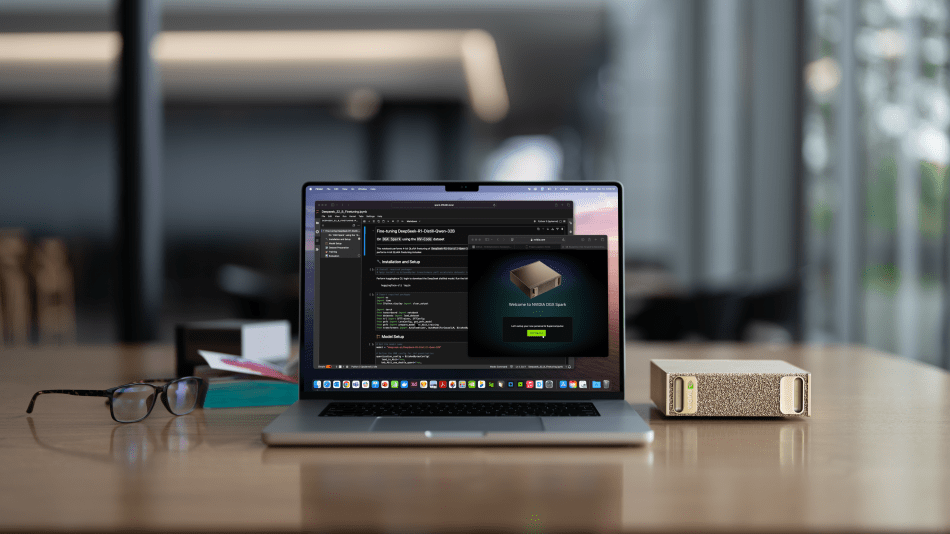
From DGX Spark to Surface Laptop Ultra
The DGX Spark’s application processor, originally referred to as the N1X, is now renamed the GB10. It was co-developed by Nvidia, who contributed the Grace Blackwell GPU subsystem, and MediaTek, who supplied the multi-core CPU cluster and reportedly also handled full SoC integration duties. The result was originally intended for Arm-based Windows PCs; repeated development hurdles delayed shipment aspirations, and lingering functional bugs precluded Windows compatibility, therefore explaining the DGX Spark’s Linux O/S foundation.
Those bugs have apparently finally been squashed—or at least sufficiently worked around—because Nvidia and lead mobile systems partner Microsoft publicly released the Surface Laptop Ultra on October 7. The history is instructive. Microsoft has been steadily working on Windows-on-Arm, spanning operating systems, applications suites and hardware to run them on, since June 2012 with the Windows Surface RT, which was powered by the Arm Cortex-A9-based Nvidia Tegra 3 SoC.
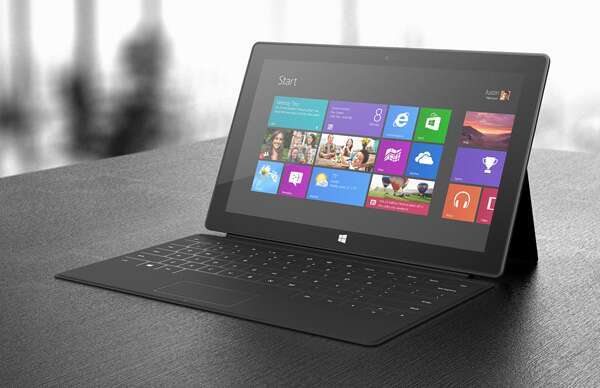
From then until now, everything else Arm-related, including the Surface Pro 11 “Plus” acquisition and several generations of developer-tailored desktop hardware, ran Qualcomm-developed silicon, even if the SoCs were Microsoft-stamped. But Nvidia is back, baby. And it will only cost $2,599 at baseline, as much as $5,899.99 top-end, to own one. Delivery is “later this year,” which leaves only two more months. It is worth noting again later this year is the stated window.
Two versions of the Nvidia RTX Spark N1X exist—both GB10 and N1X are valid monikers, for different system form factors—and both have the same NPU core inside:
- 5120-core GPU and 18-core CPU, and
- 6144-core GPU and 20-core CPU
System memory ranges from 24 GB to 128 GBytes in capacity, LPDDR5x DDR unified in all configurations. SSD options start at 512 GBytes PCIe Gen 4, with 1 and 2 TByte PCIe Gen 5 configurations also offered. An RTX Spark-based developer platform, $5,999.99 and up, is also available for pre-order, perhaps as a replacement for the canceled Qualcomm one.
Amazon moves Alexa-branded tablets back to vanilla Android
Next stop: tablets. When bill-of-materials costs increase, the best way to “hide” them is to bail on entry-level models and, conversely, double down on already-profit-margin-padded high-end product variants. Enter Amazon’s no-longer-Fire, now Alexa-branded, latest-generation tablets.
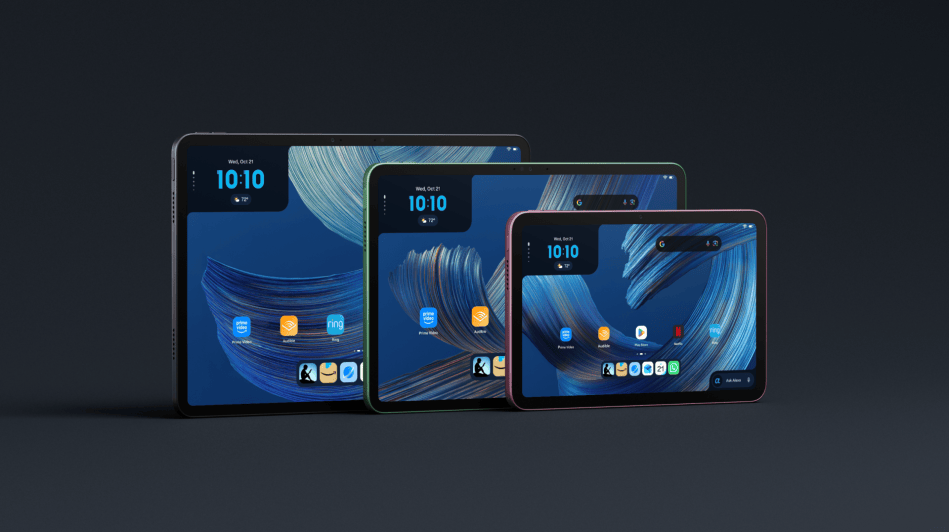
Plastic cases are gone, except for the kiddie-tailored ones, replaced by thin unibody aluminum chassis wrapped around higher-quality LCDs, multi-speaker arrays and other integrated goodies. Access to the Amazon Appstore is gone too, which will not surprise readers of last-October Amazon coverage; Amazon is back to leveraging the Google Play Store.
More generally, the new tablets run “vanilla” Android instead of the “forked” Fire OS precursor. They come in 8”, 11” and 12” “Pro” flavors, each with multiple storage capacity tiers, along with two DRAM capacity options for the 8” version. Prices start at $299 and range up to $679.99, not including cases or the high-end model’s optional pen and keyboard accessories.
Speaking of October Amazon coverage, the company chose today, at the tail-end of competitor Apple’s three-day announcement cadence, to roll out this year’s collection of Echo speakers—one even complete with a camera—and smart displays. They will not be covered in this particular piece, so Engadget or other usual sources can tide readers over.
Apple adds touch input to MacBook Pro
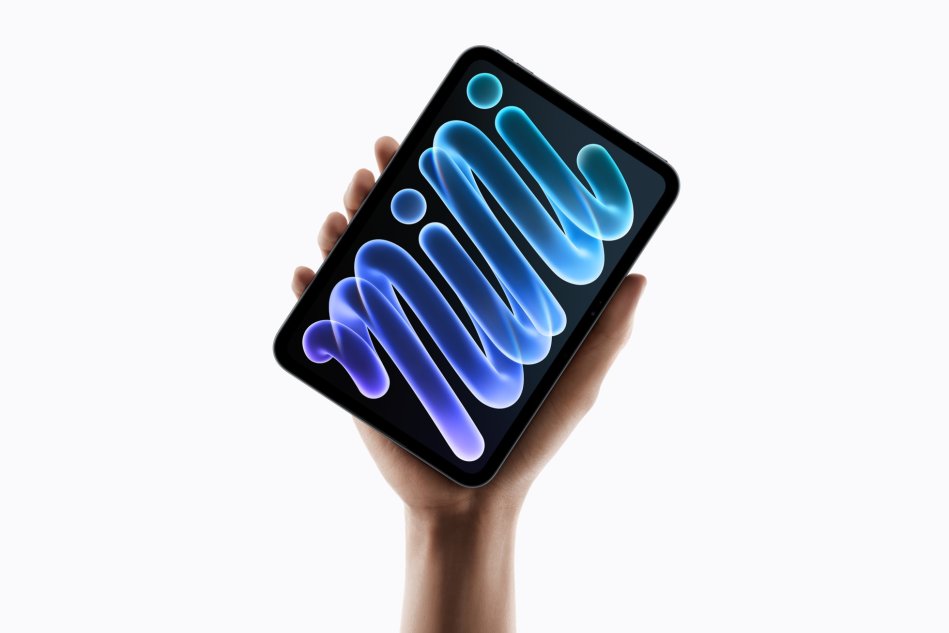
Apple rolled out Monday a new generation of the iPad mini, no longer with a trailing-edge SoC versus its larger siblings; it now has the A20 Pro and a slightly larger 8.5” display that switches from LCD to OLED. The front camera is relocated to the landscape edge. The prior generation was dubbed “cute” by a family member the other day. All this goodness is accompanied by price increases.
The entry-level 128 GByte Wi-Fi-only variant of the 2024 model was originally $499, got bumped by Apple to $599 in June of this year, while this year’s edition is $699 and up.
Yesterday? The 14” entry-level version of the MacBook Pro now runs the M6 SoC, versus last year’s M5, while the 24” iMac makes a two-gen jump and two-year between-updates from the M4 to the M6. Form factors remain unchanged. Some observers may guess the higher-end “Pro” and “Max” MacBook Pro variants will await the M7 Apple Silicon generation.

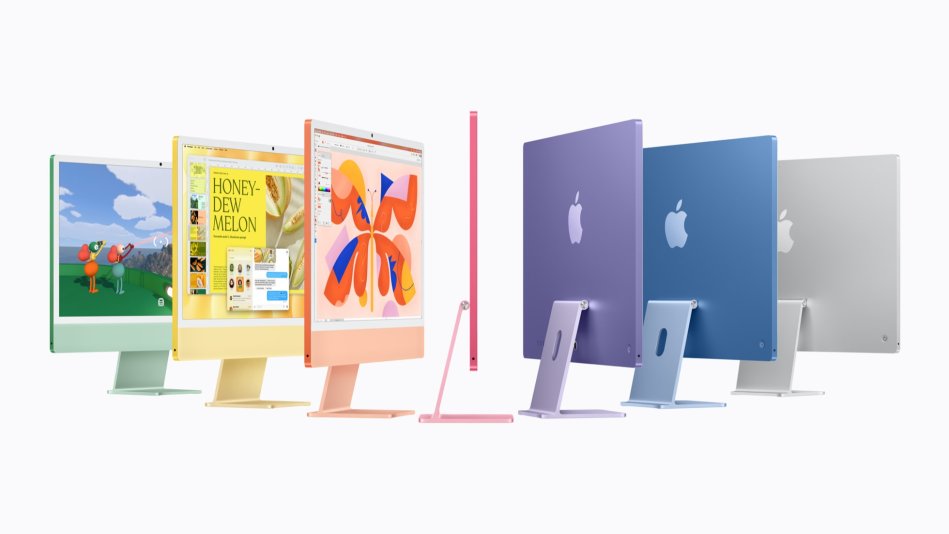
Apple instead “kept its powder dry” for today’s unveiling of its first touchscreen-augmented and broader PROLED XDR-based computers, MacBook Pro laptops in both 14” and 16” display and both M5 Pro and Max SoC options.
The accompanying stock visual is polished. Under the surface, there is software evolution of MacOS and key apps such as Safari, with beta-examination insights into Safari discovered two weeks back. The hardware enhancements come with a price increase. Depending on size and configuration, buyers could pay anywhere from $2,899 to $14,549 for a display that responds to touch.
Long-term high-volume success is not guaranteed. Apple has likely done advance market research, but first-generation enthusiasm from early adopters may not sustain the category. Even with no doubt about initial enthusiasm, Apple is a late adopter compared with Windows-powered touchscreen counterparts and its own iPad, and Microsoft Surface touchscreen case studies suggest caution.
As a case study, a current x86-based Surface Pro 7+, with spare, two Pro 8+ successors in the queue and earlier-mentioned Arm-based Pro 11 models, totals nine touchscreen Windows laptops; six are actively used. The touchscreens were barely used for any meaningful period. iPads were also owned across multiple generations. Touch works best on hybrid Surface Pro systems that can operate as both a tablet and a laptop depending on keyboard connection, but that is not the form factor of these new MacBook Pros; buyers who purchase one may also buy an iPad, or a few iPads.