
Apple's Touchscreen MacBook Pro Debut Signals a Shift in Premium Laptop Strategy
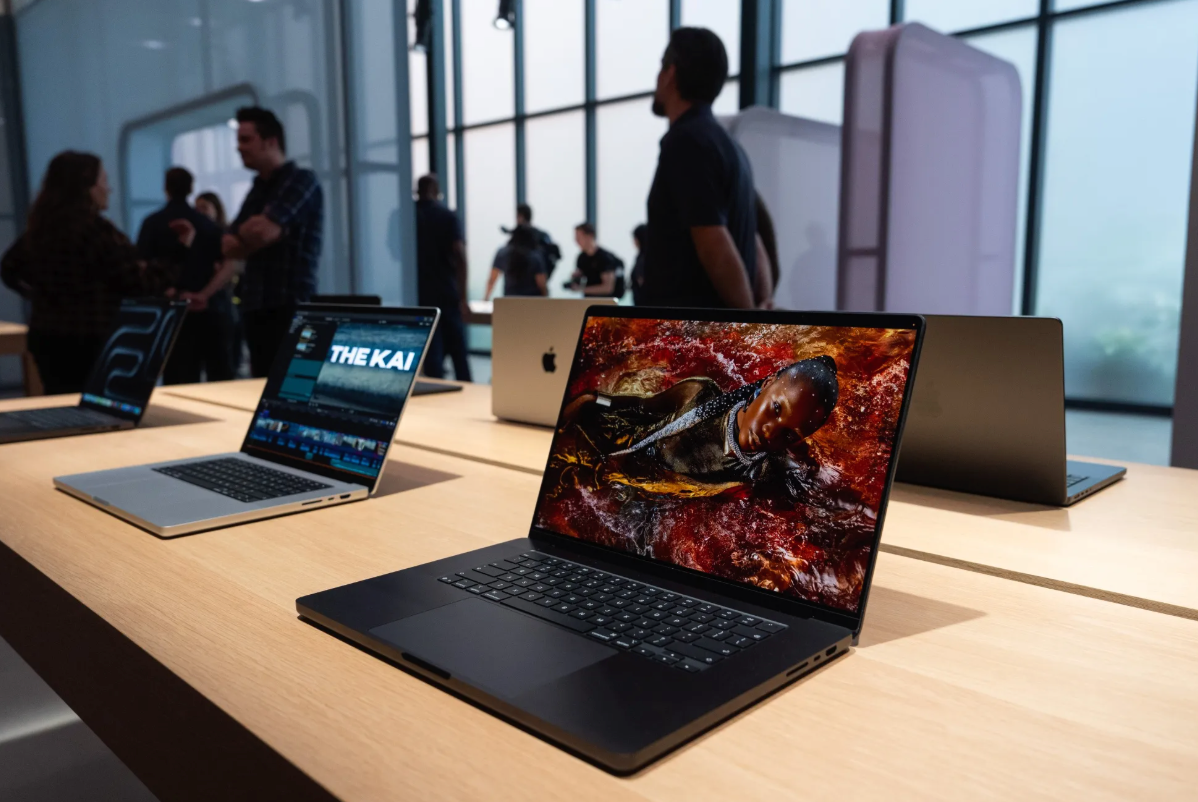
Apple's touchscreen Mac arrives on Wednesday
Apple will launch its first touchscreen Mac on Wednesday with a high-end MacBook Pro, ending a long-standing public hesitation about putting touch controls on a laptop.
The pattern of dismissal before entry
Apple's senior executives have often dismissed a product category before entering it. That occurred with smartphones 20 years ago, then took ten years to enter the tablet market, and happened this year in three important areas: budget laptops, foldable phones, and smart speakers with screens.
The skepticism was often a smokescreen. CEO Steve Jobs minimized speculation that Apple would build a smartphone even though iPod had already succeeded in the early 21st century and the mobile revolution was beginning. A few years later, iPhone arrived.
The same can be said about foldable phones and smart speakers with screens: for Apple, the question was when, not whether.
Touchscreen laptops have been the exception, a category Apple resisted almost stubbornly for a long time.
Jobs once called the concept 'terrible ergonomics.' Tim Cook, after becoming CEO, compared merging a tablet and a personal computer to combining a toaster with a refrigerator. Marketing executive Phil Schiller was dismissive. Software chief Craig Federighi said touch was not a suitable way to interact with a laptop. John Ternus, now CEO, had also rejected the idea a few years ago.
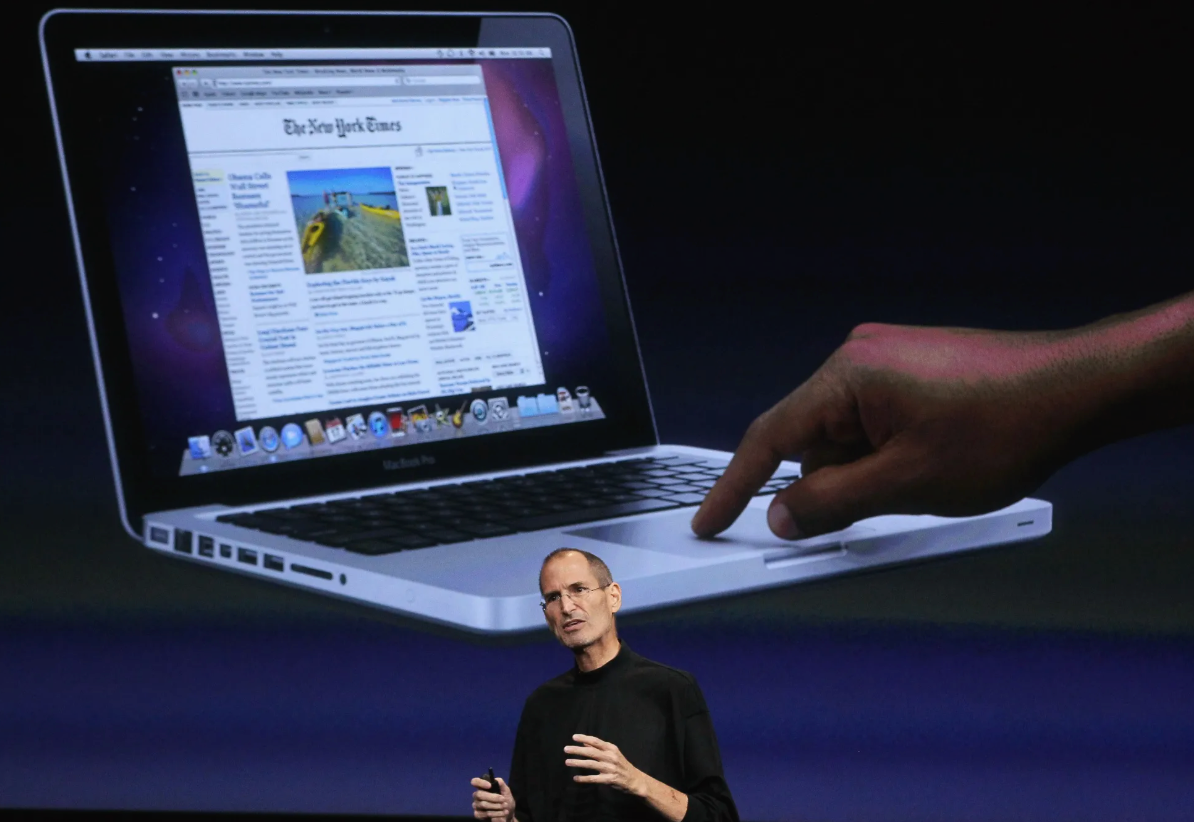
Jobs publicly dismissed the idea of a touchscreen MacBook.
What to expect from the first touchscreen Mac
After accelerating the related development process four years ago, Apple will introduce the first touchscreen Mac computer on Wednesday. The premium MacBook Pro will look similar to current models but be lighter, and it will feature a high-contrast OLED touchscreen; this is also the first time a Mac uses an OLED display. The new machine will add the Dynamic Island interface familiar to iPhone users.
It will be offered in two sizes, 14-inch and 16-inch, with a price significantly higher than the current MacBook Pro models starting at $2,499.
Why Apple separated Mac and iPad
Jobs began criticizing the idea of a touchscreen Mac in 2010; that year was also when the original iPad launched.
As Apple's tablet business expanded, Cook also pushed back against the concept. Apple is a commercial company, and consumers buying both a Mac and an iPad benefits the business. Keeping Macs without touch support, while limiting the iPad's ability to fully replace a laptop, helped preserve the distinction between the two product lines.
For a long time, Apple explained the split by citing ergonomics and the advantages of separate operating systems for different devices. But it is hard to deny that an iPad running Mac apps with macOS-style multitasking would be attractive. iPadOS 26 has already moved in that direction.
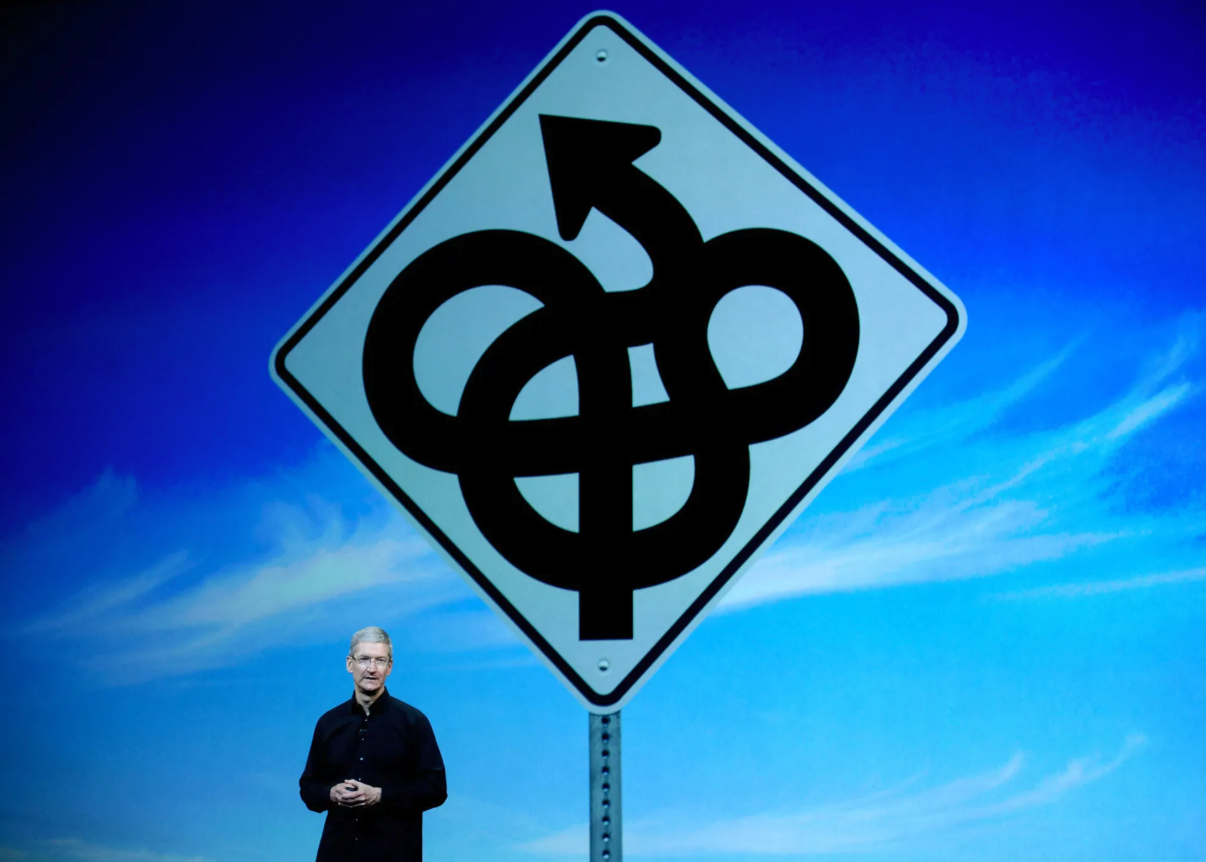
Cook likened touchscreen laptops to combining a toaster and a refrigerator.
Conversely, a Mac that also supported touch input, allowing swipe, pinch, pan, and zoom gestures, would also be appealing.
Why the position changed
Fortunately, Apple has now recognized that a touchscreen Mac may not hurt iPad sales and could attract new customers. The company can still separate Macs from iPads through software, performance, battery life, and versatility. A slim, touch-first iPad can accomplish things a Mac cannot and fit scenarios a Mac cannot handle; a larger Mac with a built-in keyboard and a more powerful operating system is better suited to demanding work.
Internally, Cook and Ternus felt consumers had begun to expect a touchscreen Mac, but Apple's industrial design team remained opposed. The compromise reached was to launch a device that supports touch without making touch the primary interaction method.
The ergonomic problem Jobs identified years ago has not been solved by Apple. Users still need to raise their arms to touch a vertical screen, and that can feel uncomfortable after only a few seconds. Therefore, the shift appears driven more by revenue and marketing than by a technical breakthrough.
When Apple decided to proceed with the touchscreen Mac project, Mac and iPad sales were growing rapidly because of remote work policies during the pandemic. Apple's custom chips also generated new market attention and upgrade demand, leading the company to believe the Mac line would remain central to its business for the coming decades.
Apple needs to sustain that momentum, so adding touch became a logical next step. The company also realized that making Macs and iPads more similar lowers the difficulty of switching between them and encourages customers to buy both devices instead of choosing between them.
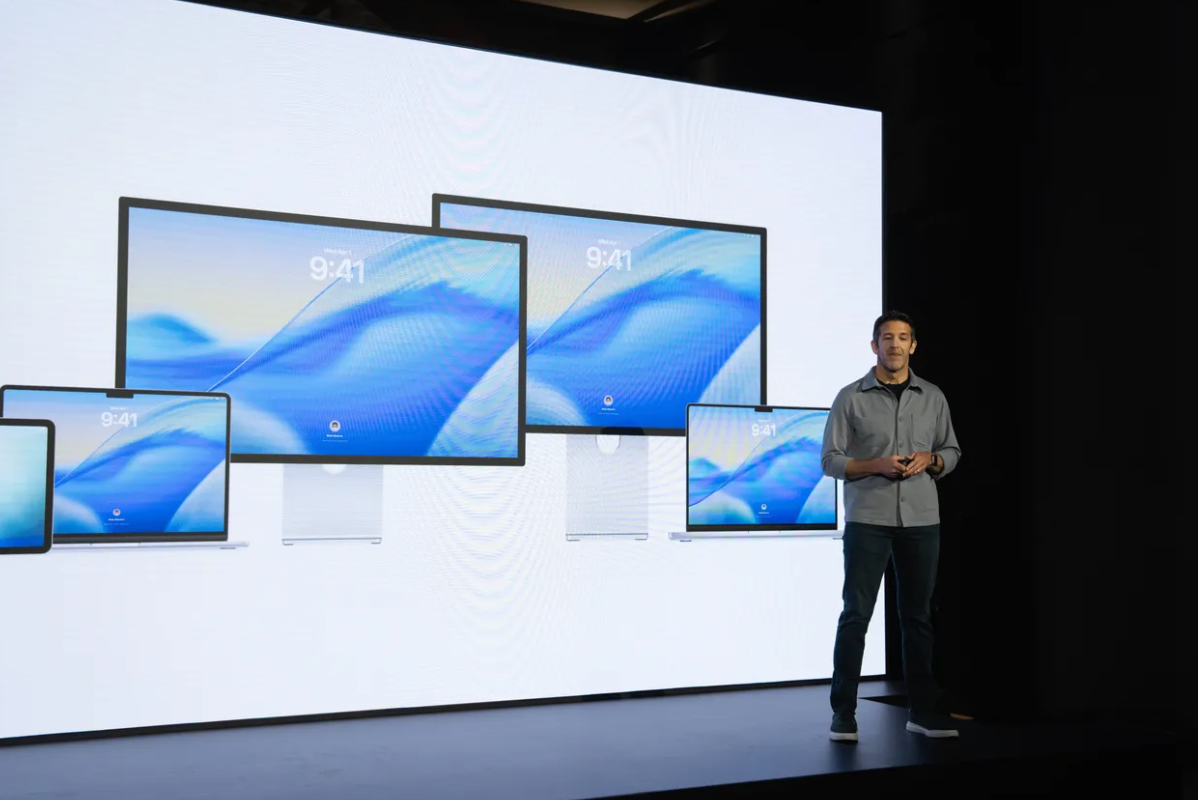
Ternus is broadening the Mac product line.
Launch message and software changes
At this week's launch, Apple will stress that the new MacBook Pro is not a Mac and iPad merged into one device, and that the Mac will not become a computer controlled mainly by touch. Touch will be an additional input option for suitable situations, while the keyboard and trackpad remain the core of the laptop experience.
Apple is adjusting macOS Golden Gate so finger operations feel more natural. The software will use a dynamic interface: the system can infer, from a user's prior usage habits, whether they are touching the screen or using the trackpad, then display the corresponding controls. When a user taps a button, menus can appear around the finger; the Dock and menu bar have also been optimized for touch. The goal is to let people move naturally between touch and traditional pointer-based clicks without deliberately deciding which method to use.
OLED, pricing, and product-line gaps
Another factor behind the touchscreen MacBook is the adoption of OLED displays and their revenue impact. Compared with the Mini LED screens used in current MacBooks, the new display can produce deeper black levels and better contrast. Although this raises cost, it also gives Apple an opportunity to increase prices. The approach resembles what Apple did in 2012 when it introduced the Retina-display MacBook Pro: it launched a model positioned above existing flagship laptops, using a premium product line to raise the average selling price of Macs.
The touchscreen MacBook Pro is also the latest example of Apple, in recent years, filling long-standing gaps in its product lineup. Earlier this year, Apple entered the low-cost laptop market with the $699 MacBook Neo, changing a long-standing refusal to compete in the budget end of the personal computer market.
This month, Apple released its first smart home display, HomeView, and began selling its first foldable phone, iPhone Duo; previously, Apple had shown disdain for the two product areas.