
ItInsightsWorld: Apple iPad Rumors Point to Three Updates for the First Half of 2027: Air OLED and Pro Cooling
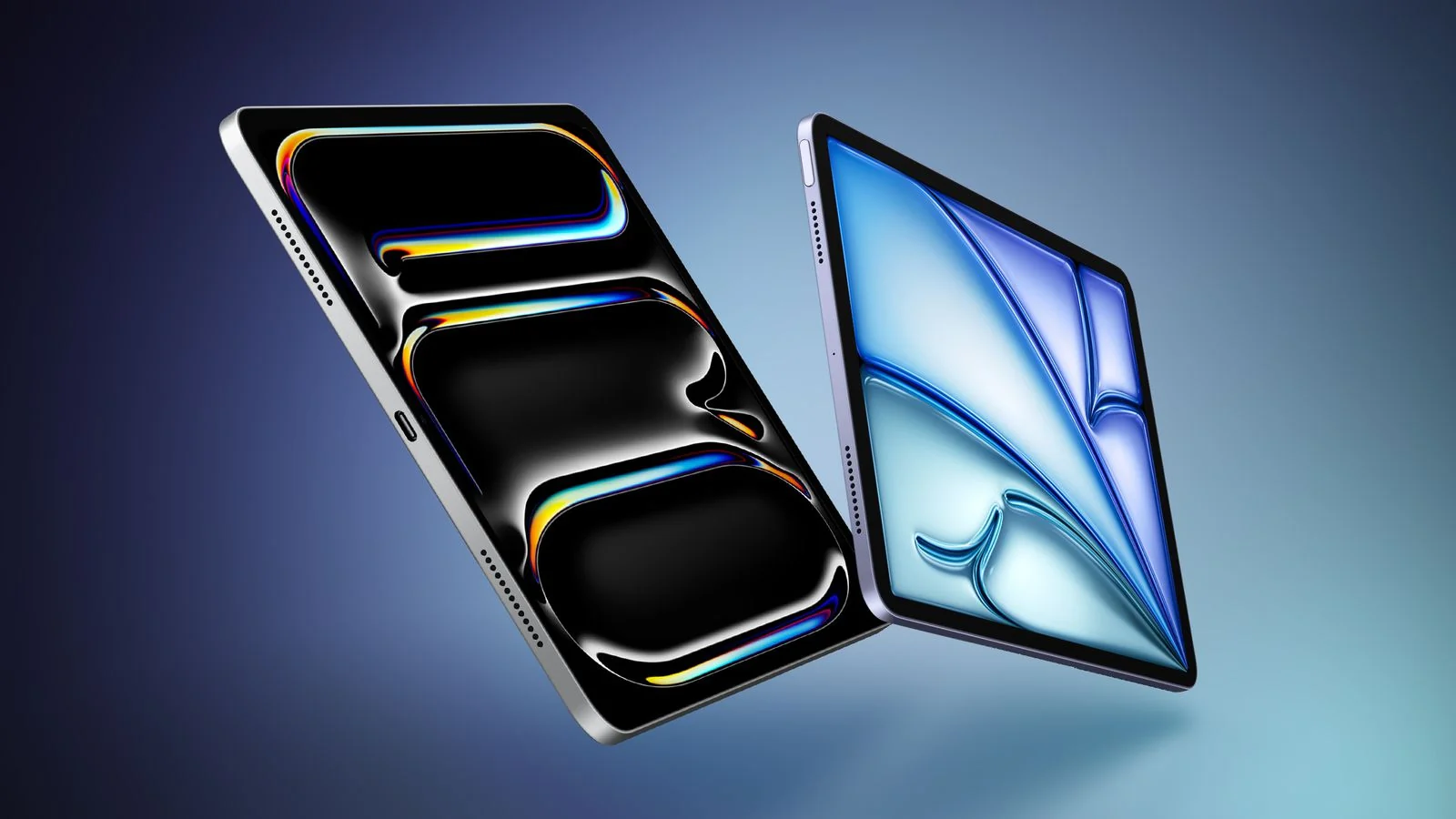
A market rumor now places three new iPad releases within the first half of 2027, and it describes Apple as preparing changes across the iPad product line: an iPad Air refresh centered on a display move, an iPad Pro revision focused on thermal design, and an updated entry-level standard iPad built around processing, wireless connectivity, and Apple Intelligence support.
Where the forecast comes from
According to Bloomberg journalist Mark Gurman, Apple plans to release the iPad Air, iPad Pro, and the entry-level standard iPad during the first half of 2027, and the timing follows Apple's OLED iPad mini introduction in late October 2026. The iPad updates have not stopped this year, and each of the three expected models is said to address a different area: display technology, thermal capacity, or artificial intelligence features.
iPad Air: OLED as a differentiator?
One possible shift is that iPad Air could adopt an OLED display for the first time. Currently, iPad Air uses LCD panels, while OLED has gradually moved into Apple's higher-end products. After the 2026 iPad mini also arrived with an OLED screen, Apple appears to be extending the technology across the iPad line.
The practical difference between OLED and traditional LCD is that OLED pixels emit light independently and do not require a separate backlight layer. That architecture can produce deeper blacks, stronger contrast, more vivid color, and, when dark content is shown, a chance to reduce power draw.
If the next iPad Air truly uses OLED, the display gap between it and iPad Pro would narrow. Both products would still need separation through refresh rate, display brightness, chip performance, and other professional functions.
On the processor side, the next iPad Air is expected to carry an M5 chip. Versus the current model, that would provide stronger computing capacity and more headroom for large applications and AI functions.
iPad Pro: cooling becomes the story
For iPad Pro, Gurman suggests the main upgrade may be thermal rather than visual. The next iPad Pro is expected to add a VC vapor chamber cooling system. This technology is already common in high-performance laptops, gaming hardware, and some premium smartphones; it spreads chip heat over a larger area through evaporation and condensation cycles.
Because iPad Pro relies on M-series processors, thermal capacity affects whether the device can sustain high performance for long periods. Sustained workloads such as video editing, 3D design, large games, and AI computing can make the chip lower its operating frequency when it gets too hot.
A VC vapor chamber improves heat distribution and lowers local hot-spot temperatures, letting the processor stay faster for longer. If added to iPad Pro, that could improve sustained performance rather than only peak power.
The processor path is also expected to move from the current M5 series to an M6 chip. M6, combined with the vapor chamber thermal system, could further strengthen the model for professional workloads.
Entry-level iPad: connectivity and AI for the 12th generation
The entry-level iPad appears to be set for a 12th-generation refresh, with processor, wireless connectivity, and artificial intelligence as the main update themes. Previously circulating supply-chain information suggested the new entry-level iPad could use an A19 processor. Compared with the current A16 chip, A19 would deliver stronger CPU and GPU performance and would give a mass-market tablet the hardware foundation needed to run Apple Intelligence.
Wireless features may include Apple's own N1 wireless chip with Wi-Fi 7 support. Cellular variants could also carry Apple's C1X modem to improve the efficiency of mobile network connections.
If these specifications are confirmed, the standard iPad would no longer be framed only as a low-cost device for web browsing, video playback, and basic office tasks; it would become a tablet able to handle Apple Intelligence functions and next-generation wireless networking.
What the rumored updates mean for iPad buyers
The three models suggest a clearer division inside the iPad product line: iPad Air uses OLED to close display experience distance to the Pro line, iPad Pro uses a more advanced cooling system to release sustained computing capability from high-performance chips, and the standard iPad uses the A19 processor and Apple Intelligence support to lengthen the usable life and functional completeness of the entry product.
Important caution: the three products are still expected in the first half of 2027, and the information mainly comes from Gurman's supply-chain reporting and product-planning judgment. Apple has not formally announced the exact configurations or release dates. In particular, the iPad Air OLED claim still needs confirmation from later product information.
For anyone planning to buy an iPad in the near term, the rumored update cycle deserves attention. If an Air display improvement matters, OLED may be worth waiting for. For professional users, the next iPad Pro's vapor chamber cooling system may have more practical value than a processor upgrade alone.