
ItInsightsWorld Report: Apple Unveils 14-inch and 16-inch MacBook Pro on October 28 With PROLED XDR Display and Glowing Apple Logo
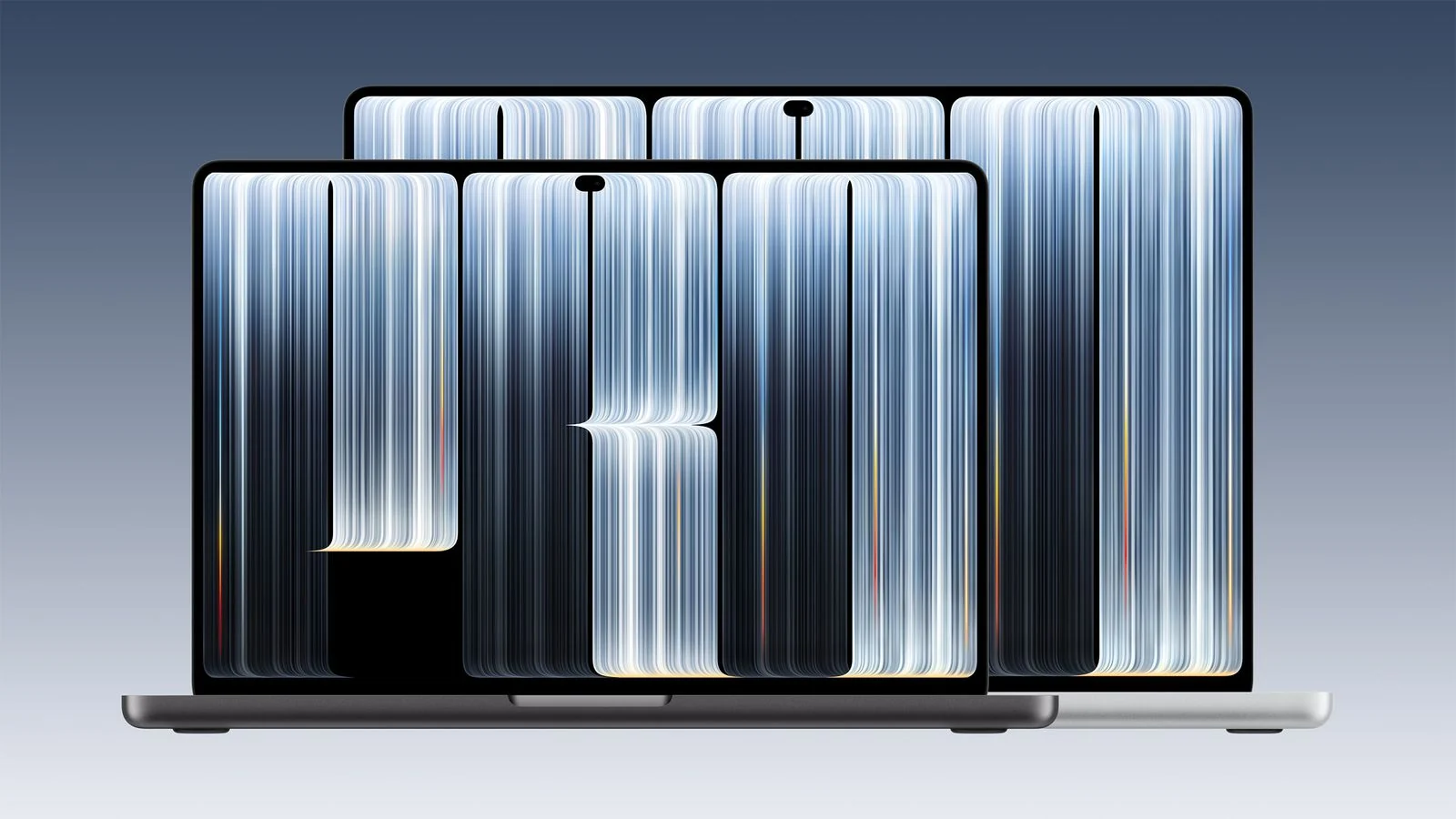
A premium notebook launch built around touch and the panel
Apple Inc. has presented its newest high-end MacBook Pro on October 28, with the notebook sold in two configurations: 14-inch and 16-inch. The entry price is 2899 USD for the smaller model and 3399 USD for the larger model. The glowing Apple logo on the back returns, and the PROLED XDR display adds touch gestures, a combination Apple presents as a major step for professional notebooks.
For display quality, Apple describes the panel as “the world’s best display in a professional-grade laptop.” The PROLED design uses dual-layer tandem OLED technology, while advanced algorithms inside the display engine and factory calibration deliver “excellent brightness, stunning contrast and vivid lifelike colors.” HDR peak brightness and SDR peak brightness both reach 2000 nits, and contrast is listed at 10000000:1.
Pixel-level tuning, anti-glare options and adaptive refresh
The display engine can control color and brightness at the pixel level, compensating for content being played, temperature, ambient light and pixel usage. ProMotion changes refresh rate dynamically from 10Hz to 120Hz. An anti-reflective coating helps reduce glare in strong light, and nano-texture glass is available as an option.
John Ternus, Apple’s senior vice president of hardware engineering, said on social media: “The new MacBook Pro has us glowing. You have to touch it to believe it.”
Touch sensors sit inside the panel, so macOS behavior stays familiar
Touch sensors are integrated directly into the display panel, so Apple says there is no extra delay. The company characterizes the interaction as “extremely responsive and delivers an exquisitely refined experience.” Examples include swiping through web pages, pinching with two fingers to enlarge photos, dragging a slide from one presentation to another, and double tapping a window to fill the screen. The new hinge adds stability when touching the screen, while advanced video stabilization keeps frames steady during video calls under touch use. Apple notes that macOS automatically converts touch actions into clicks, allowing many existing apps to support touch without changes.
Lighter chassis, a smaller Dynamic Island and changed display sizes
The notebook is up to 1 mm thinner than the current versions and also lighter: the 14-inch model weighs only 3 pounds, and the 16-inch model weighs 4 pounds. The notch is gone, replaced by a smaller Dynamic Island that houses Spotlight, Live Activities and Siri AI. Apple compares the quick-viewing and quick-operation experience to that on iPhone. After thinner borders, the 16-inch model’s actual size rises to 16.3 inches, and the 14-inch model becomes 14.2 inches.
M5 Pro and M5 Max return with thermal, audio and connectivity changes
The machines continue to use the M5 Pro and M5 Max chips that came with the MacBook Pro released in March this year, but the thermal architecture has been redesigned to route hot air away from the display. Unified memory is available up to 128GB, and the new six-speaker audio system improves low-end depth by 50%.
Ports remain extensive: three Thunderbolt 5 ports, HDMI, an SDXC card slot, a MagSafe magnetic charging port and a headphone jack are included. The notebook can drive up to four external displays, supports Wi-Fi 7 and Bluetooth 6, and fast charging can reach 50% in 30 minutes. Storage can be configured up to 16TB.
Market placement and availability
Apple will sell the OLED version MacBook Pro alongside existing mini-LED models and the new M6 14-inch MacBook Pro. Preorders are already open, and the official release date is set for Friday, November 6.