
ItInsightsWorld Explainer: How a Studio Assembles an Animated Feature, From Concept Art to Stereo 3D Frames
Long before a moment of an animated feature reaches an audience, it exists as something far smaller: a premise, a sketch, a storyboard panel. What converts that premise into a finished movie is a nested production hierarchy, in which every department contributes one layer at a time and those layers are tracked as sequences, then shots, then frames. This breakdown follows the same path for ItInsightsWorld readers, using Zootopia 2 as the worked example — starting from total runtime and ending with a single image on screen.
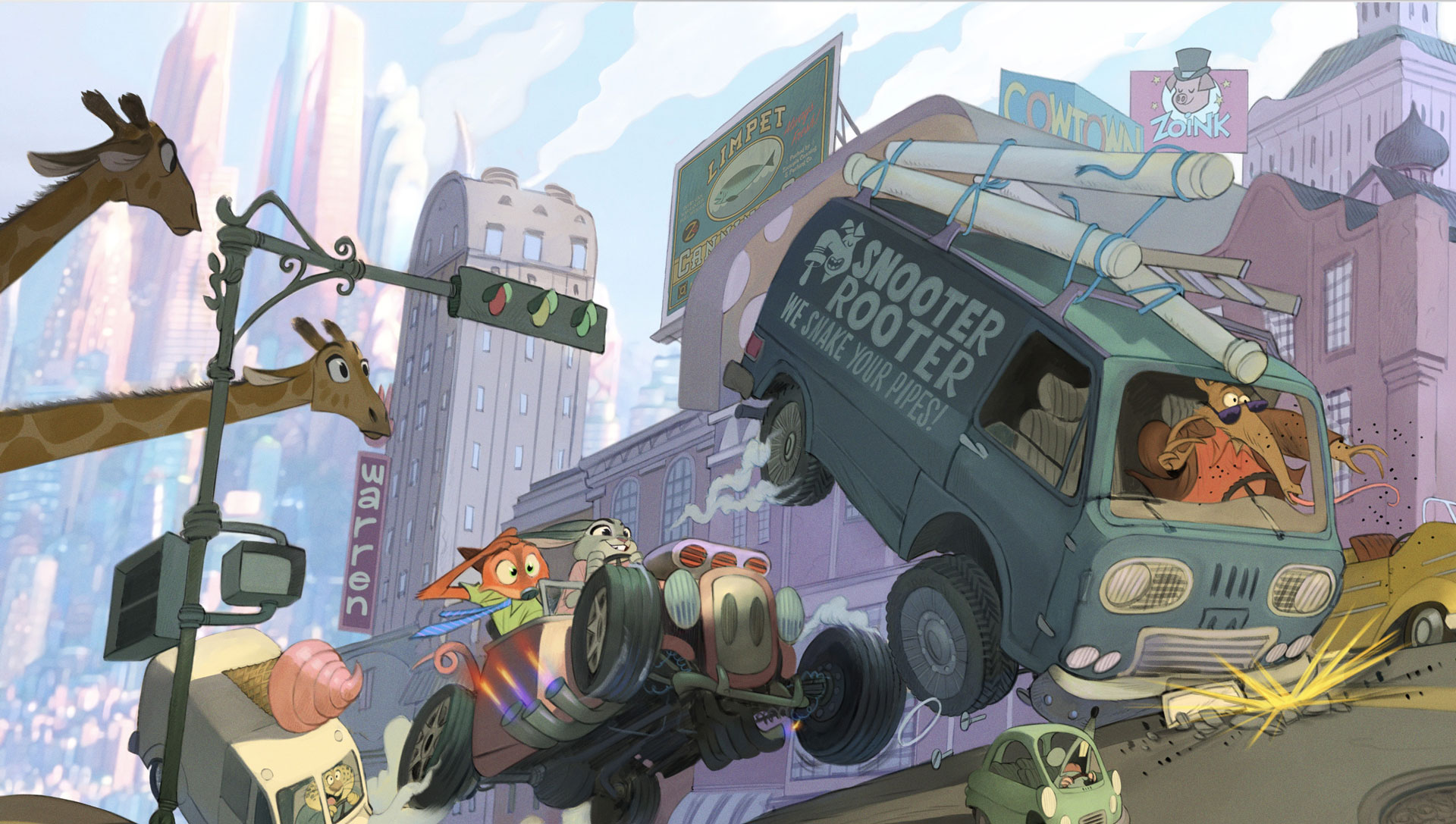
The Whole Picture: Departments, Runtime, and Nested Units
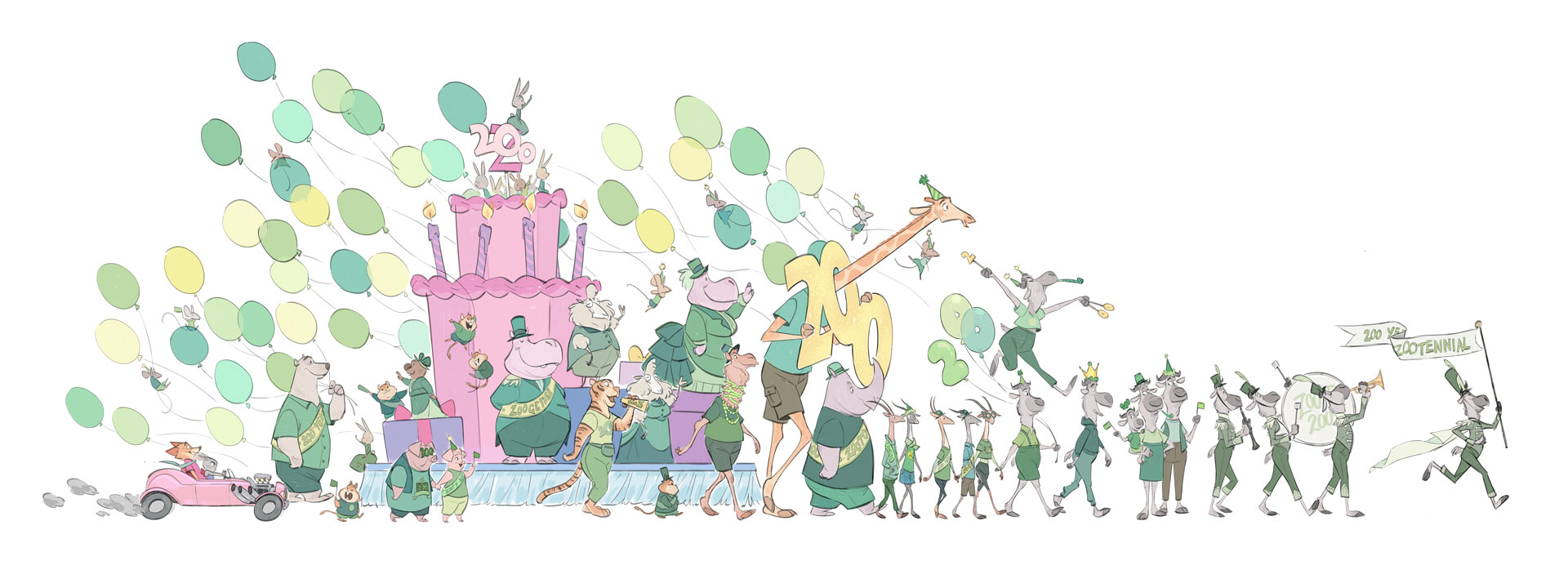
No department delivers a feature on its own. The big picture is the sum of deep collaboration across the studio, and the nesting of sequence into shot into frame is what makes that collaboration measurable.
Scale first: an animated film is approximately 90 minutes long, while Zootopia 2 has a total run time of 97 minutes and 30 seconds. That runtime is never built as one object — a film is composed of many sequences.
| Level | Definition | Typical span | Zootopia 2 reference |
|---|---|---|---|
| Film | The complete deliverable | approximately 90 minutes | 97 minutes and 30 seconds total run time |
| Sequence | Narrative block made of many shots | 1 to 7 minutes long | 41 sequences, ranging from 37 seconds to 6 minutes |
| Shot | One camera setup | 0 to 30 seconds | Hot Pursuit: 80 shots, 2 minutes and 22 seconds |
| Frame | Single image on screen | 24 frames per second, 0.04 seconds each | 144,355 frames; 288,710 rendered for Stereo 3D |
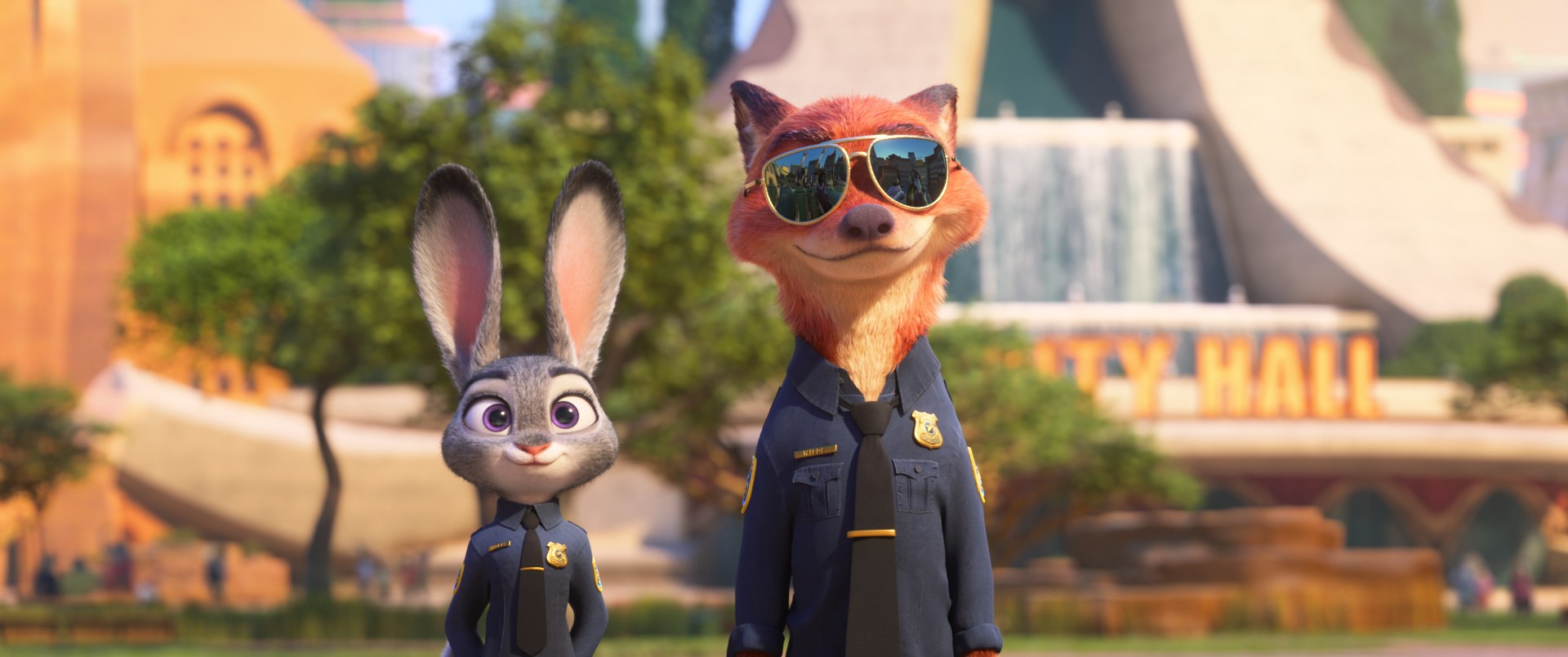
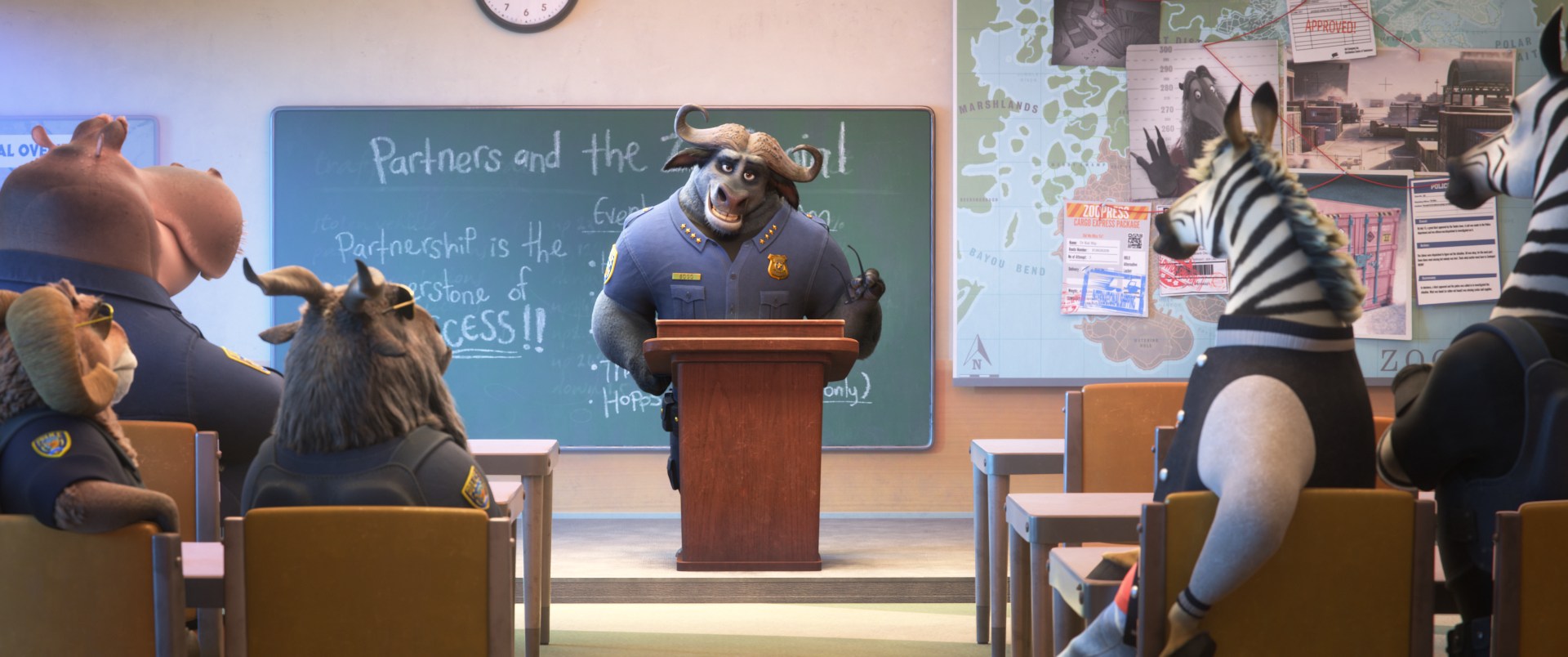
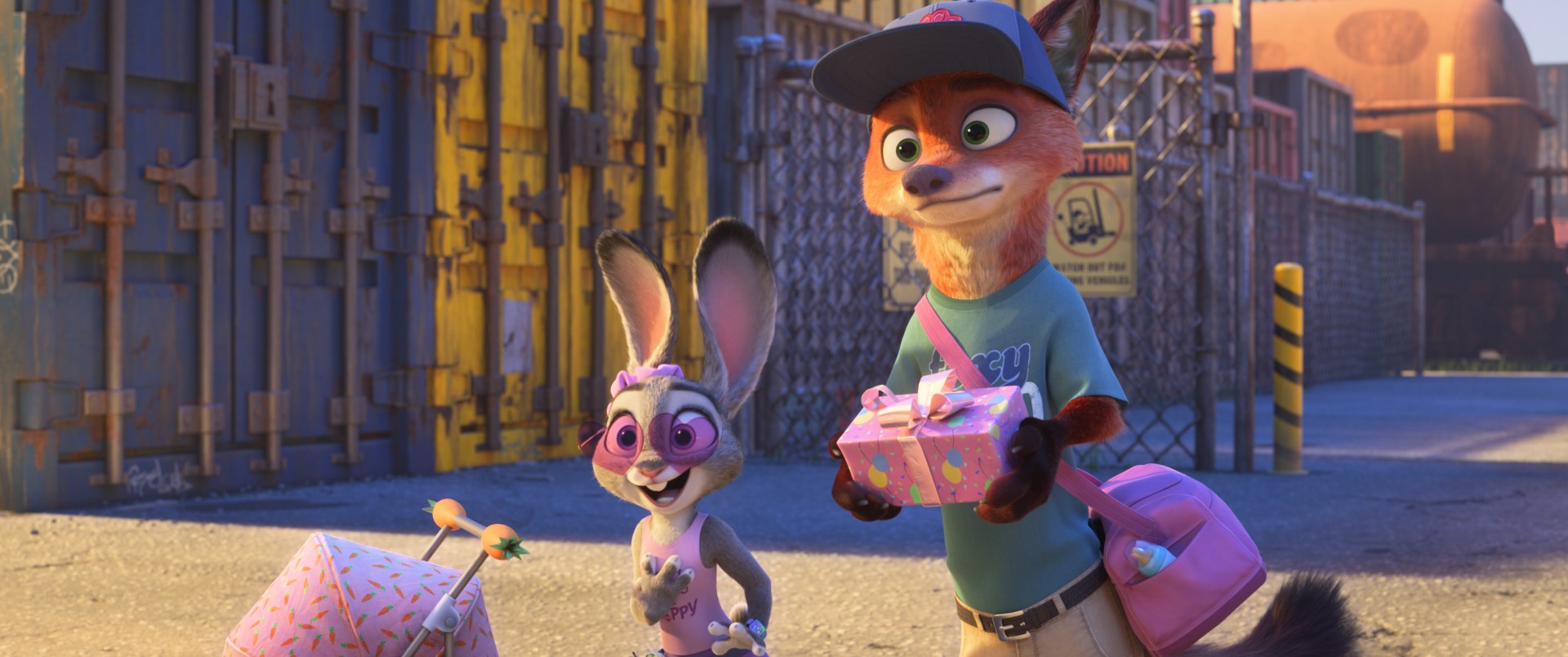
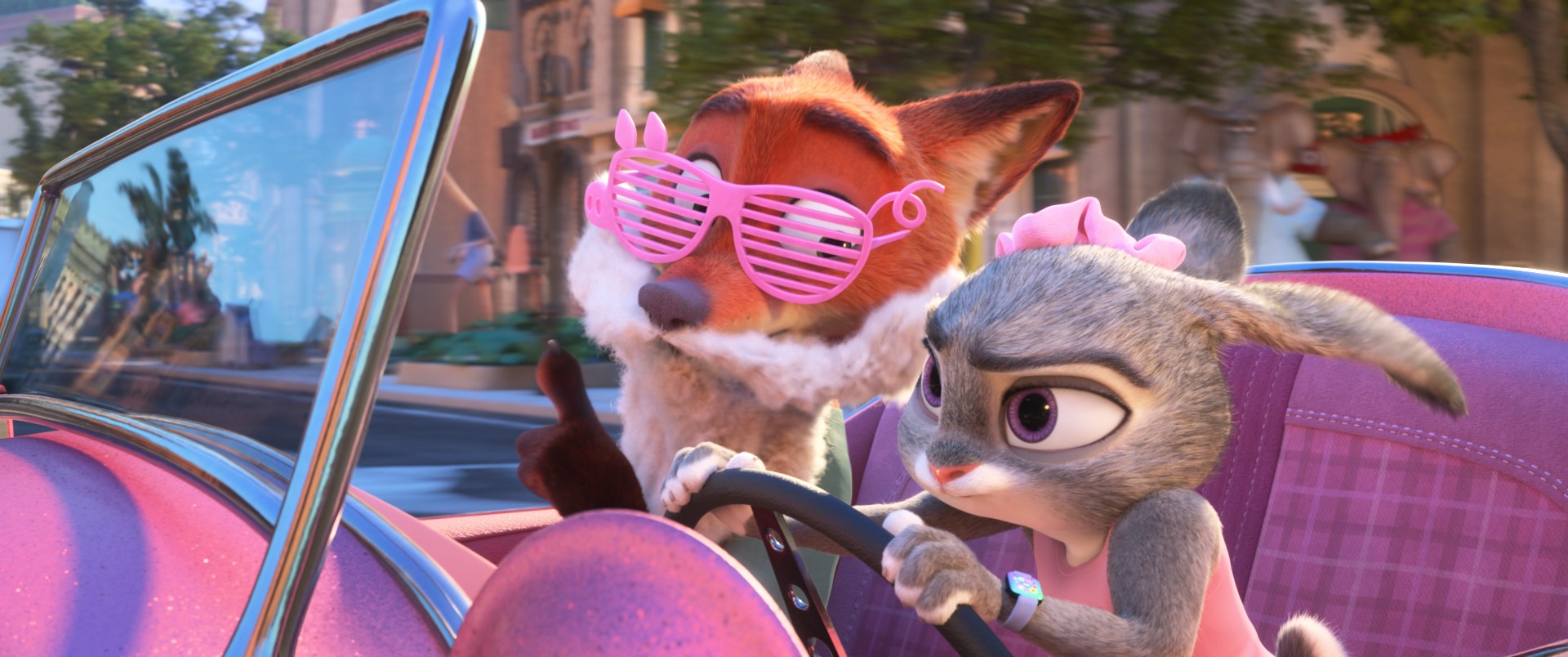
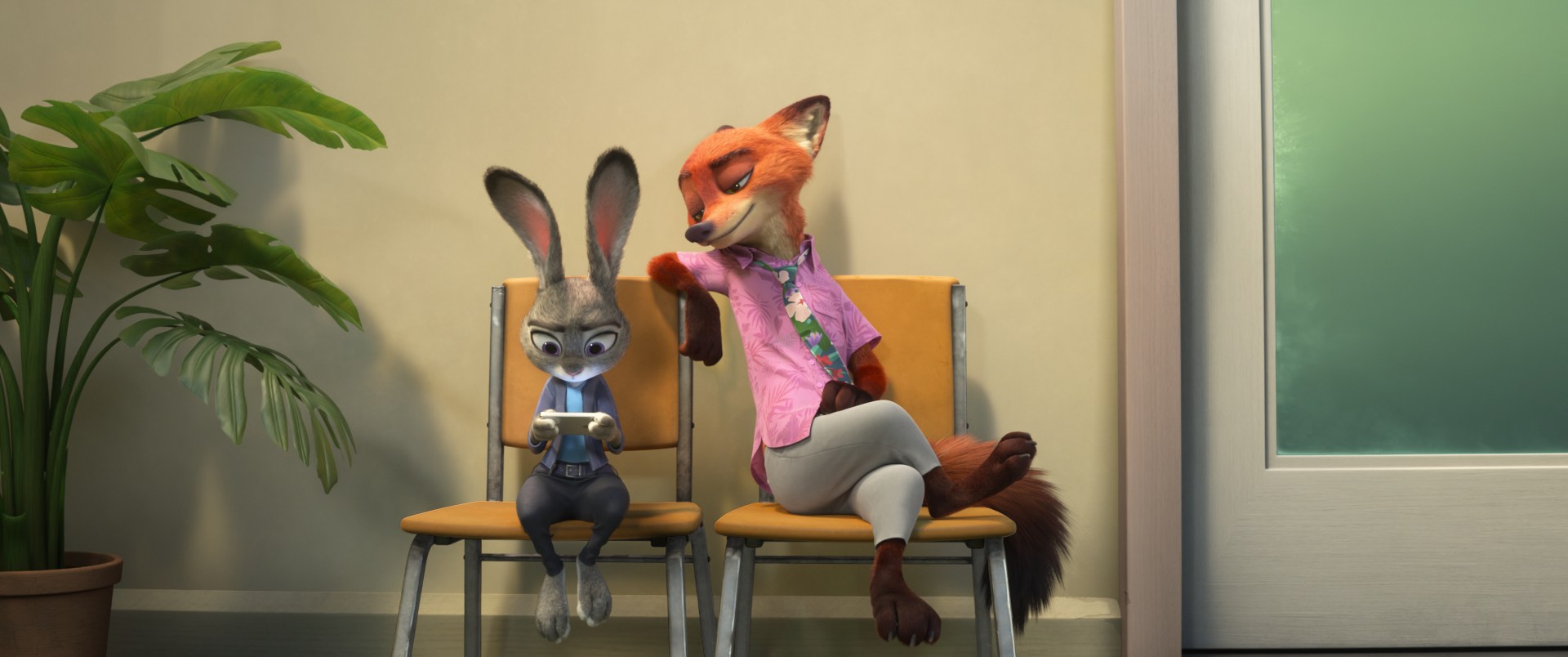
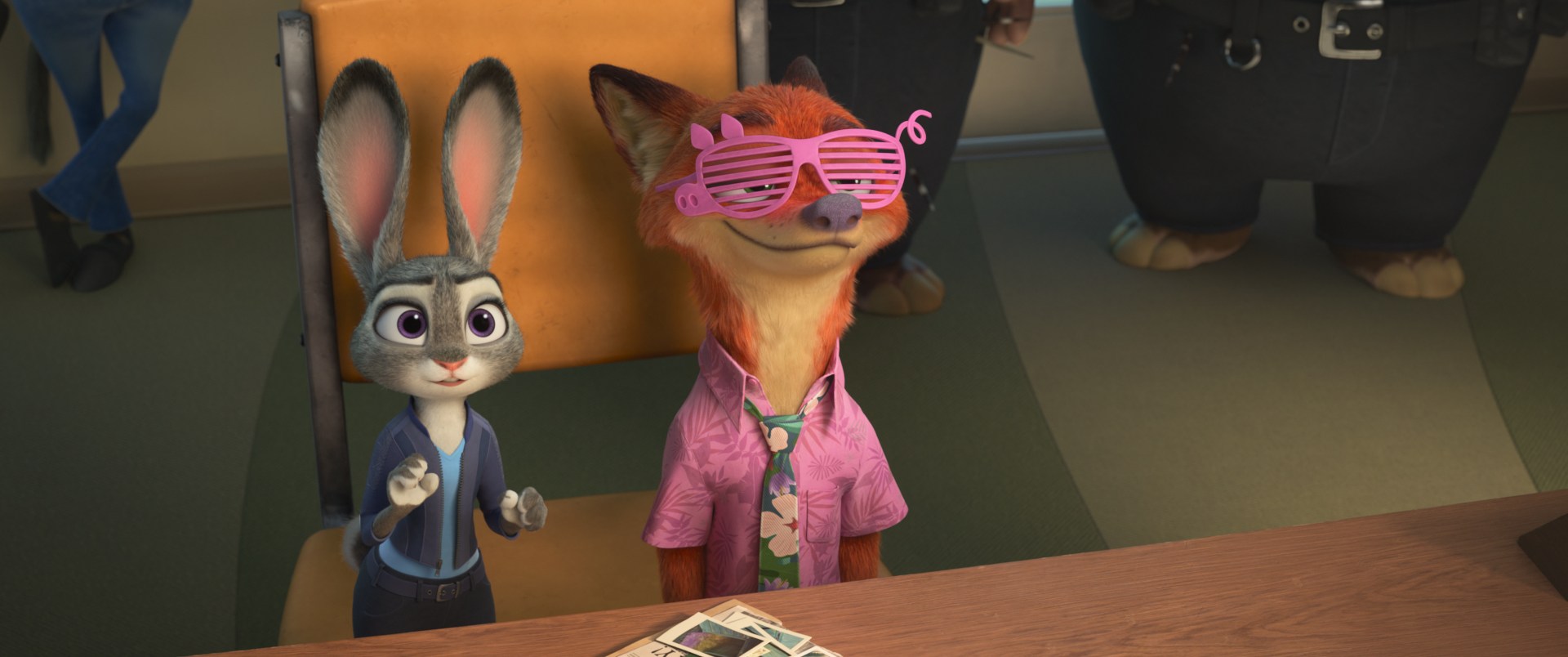
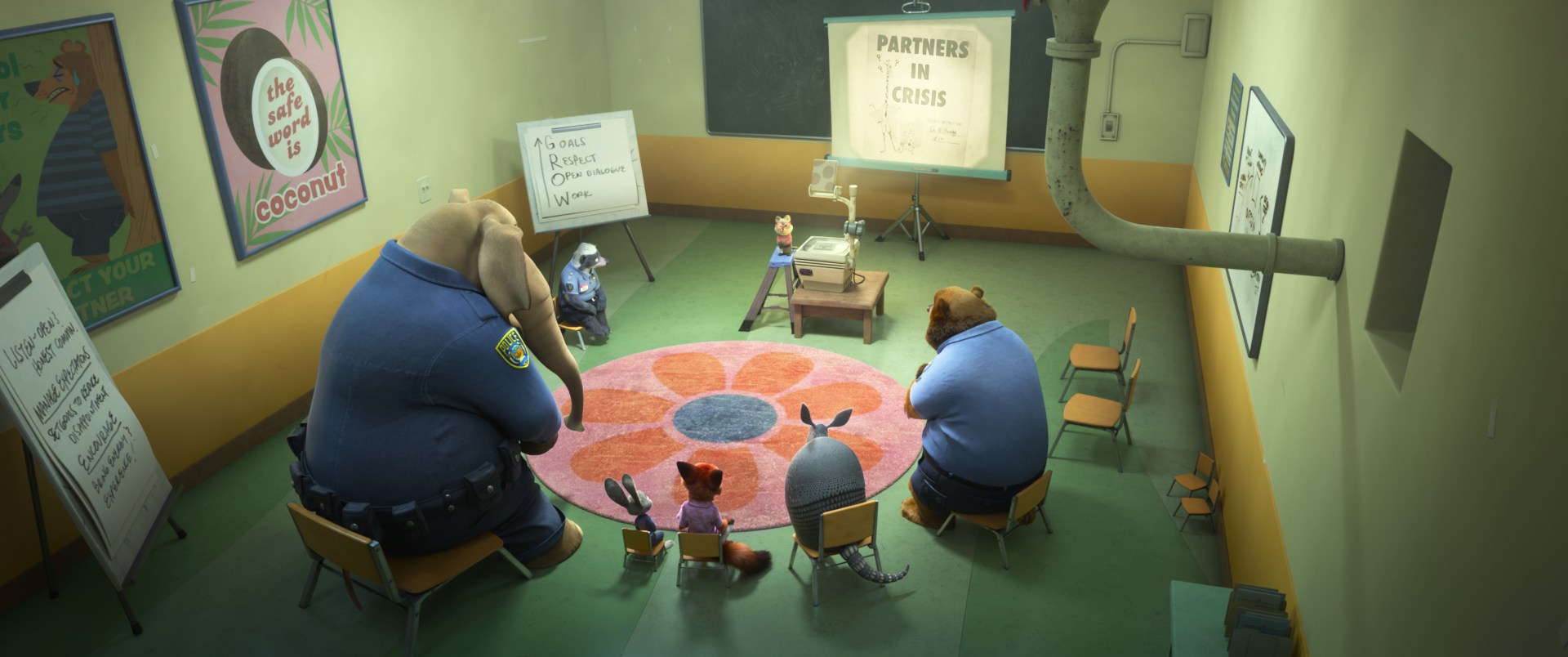
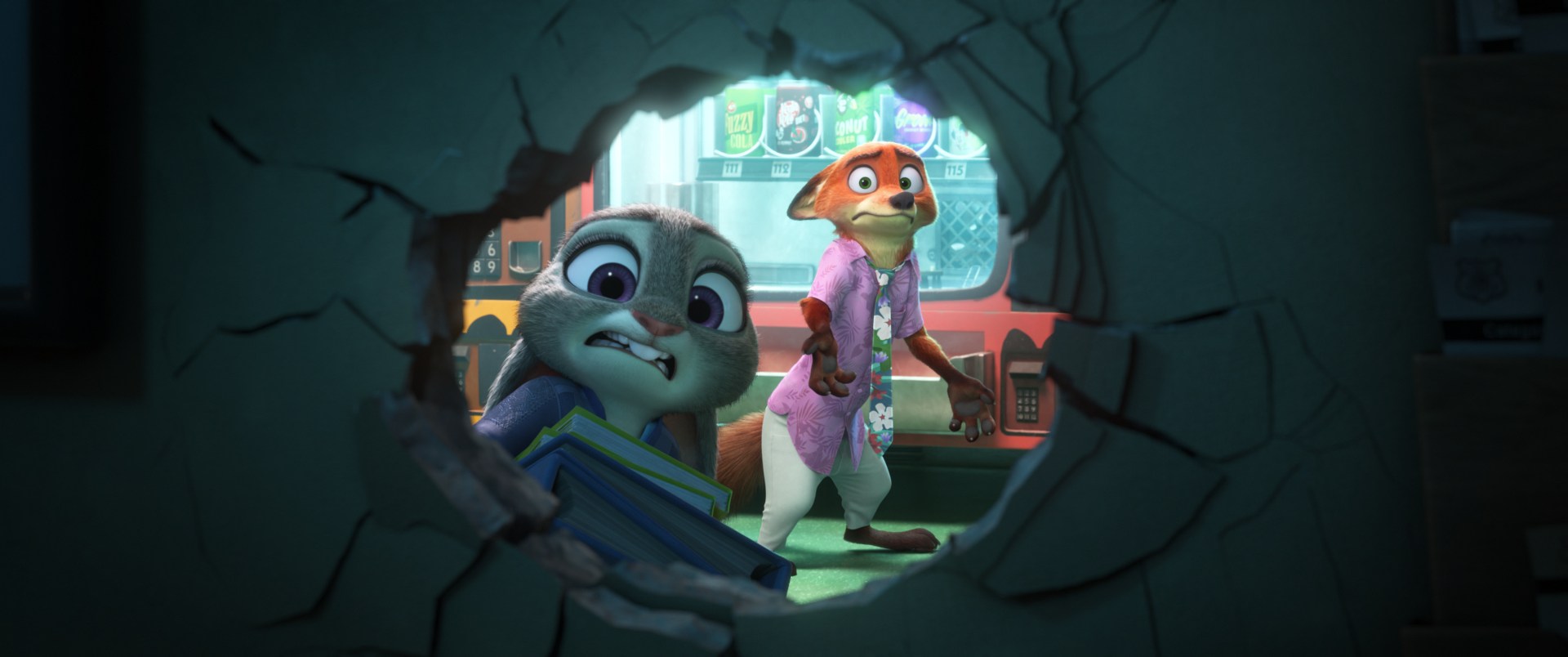
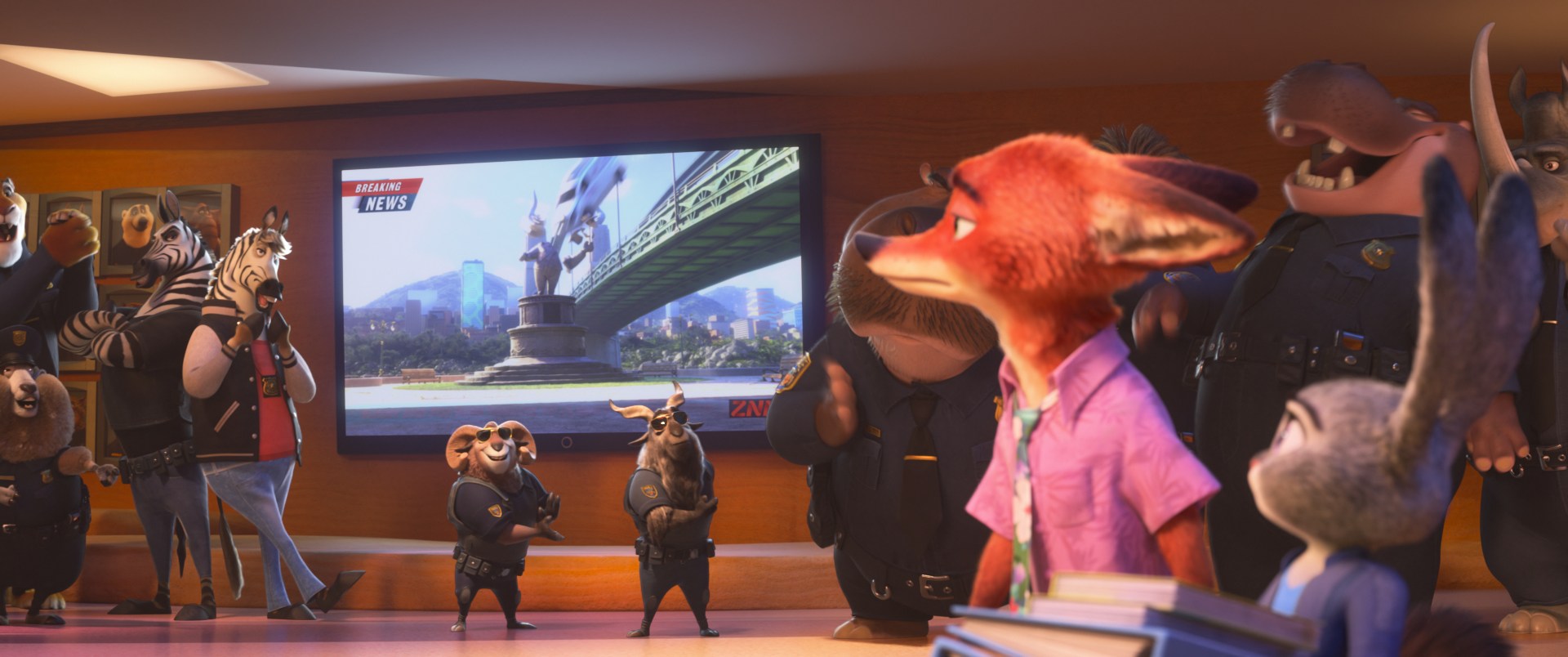
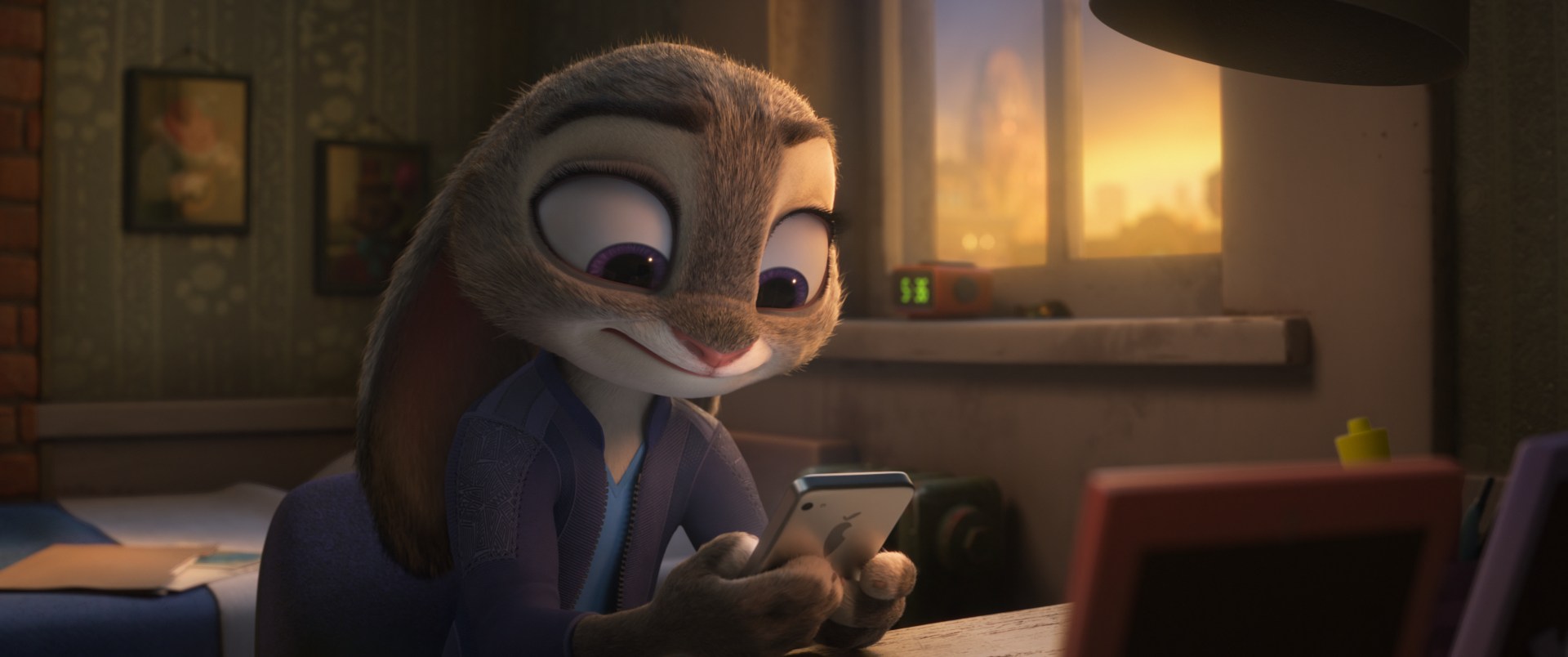
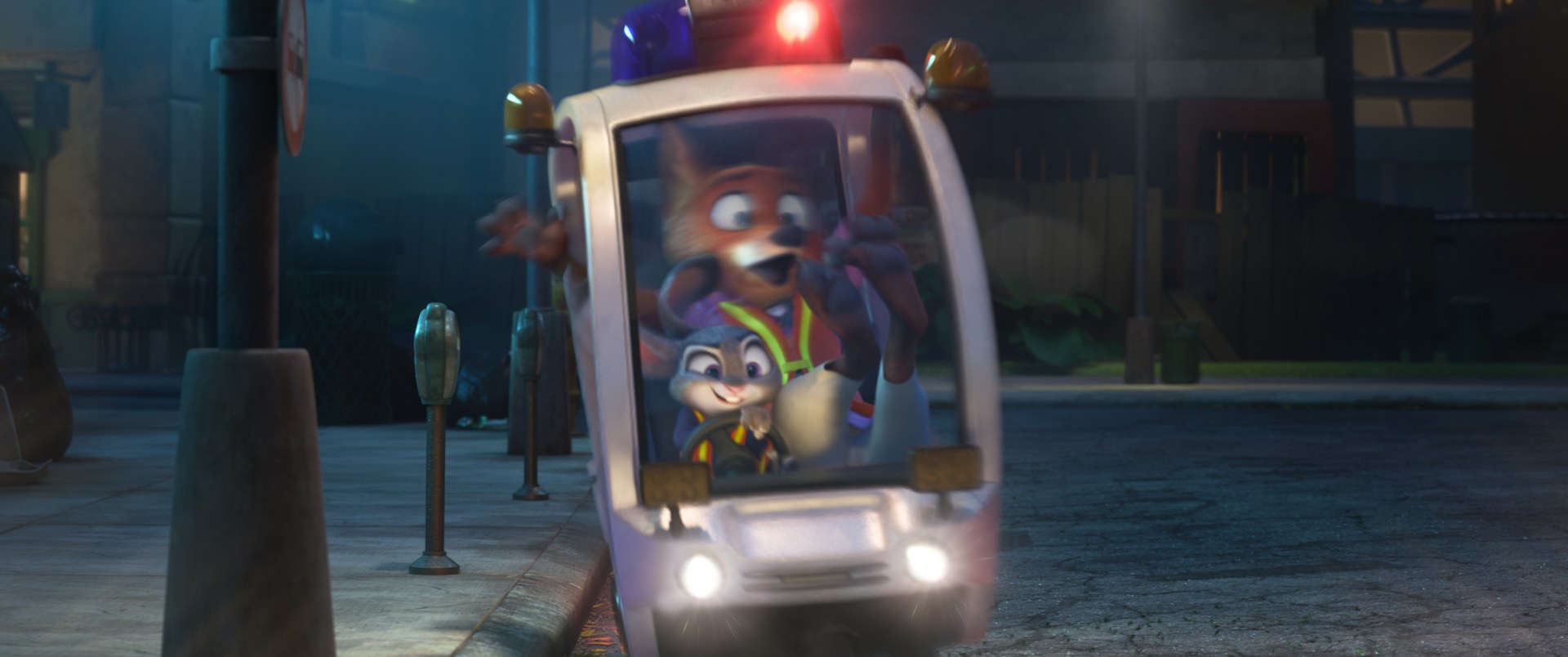
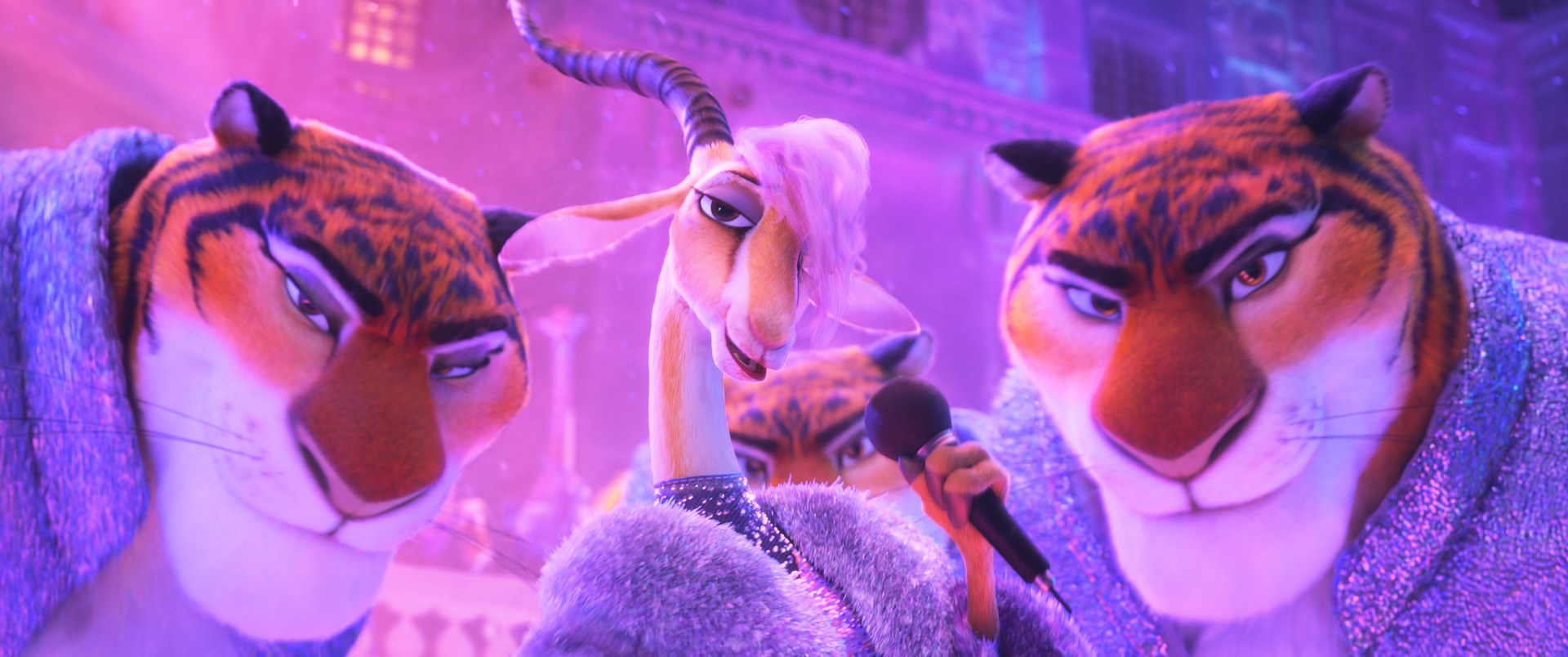
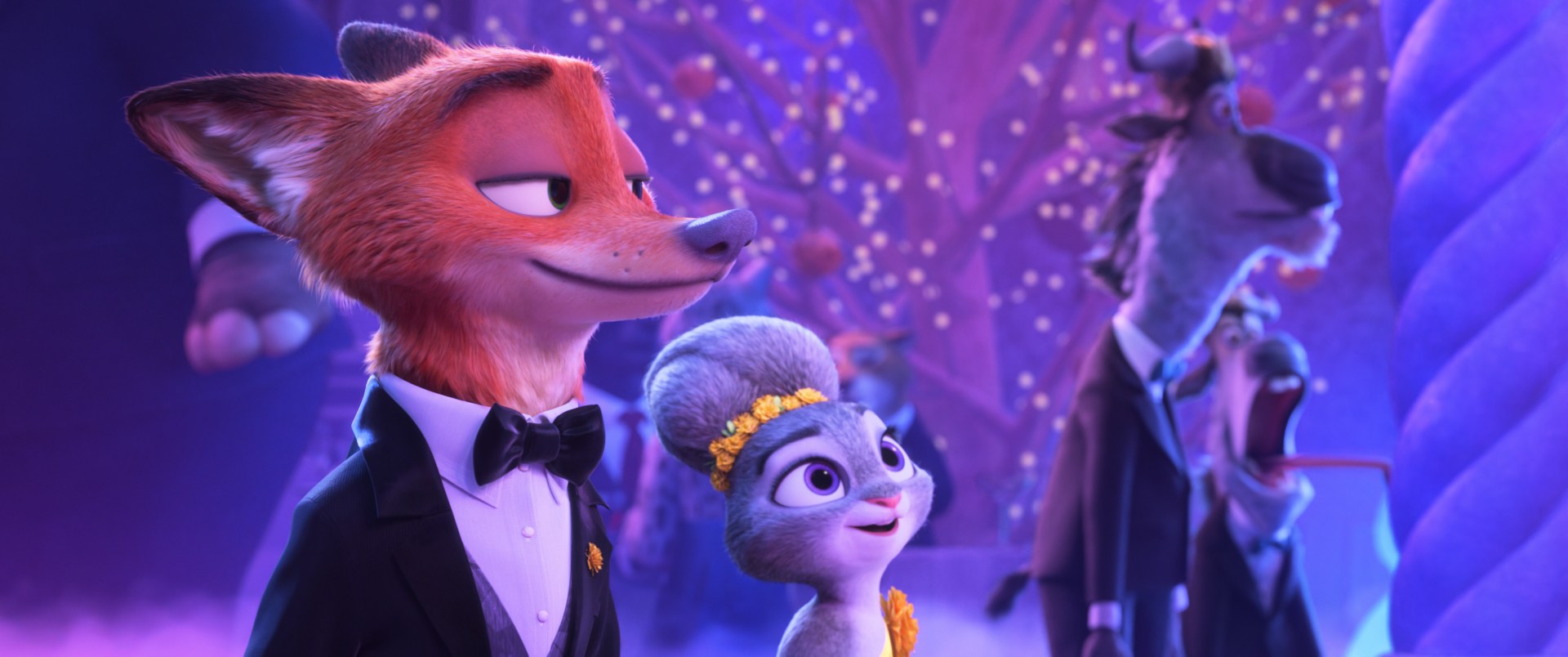
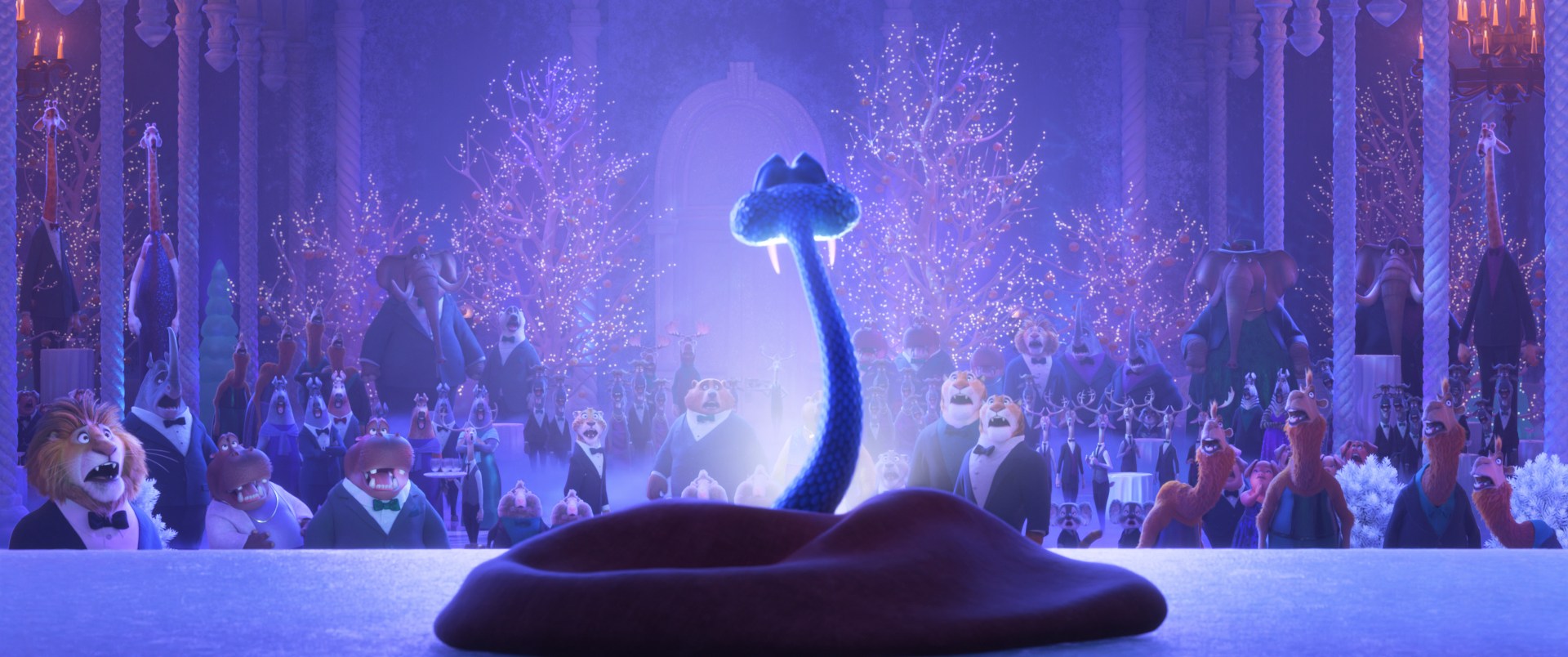
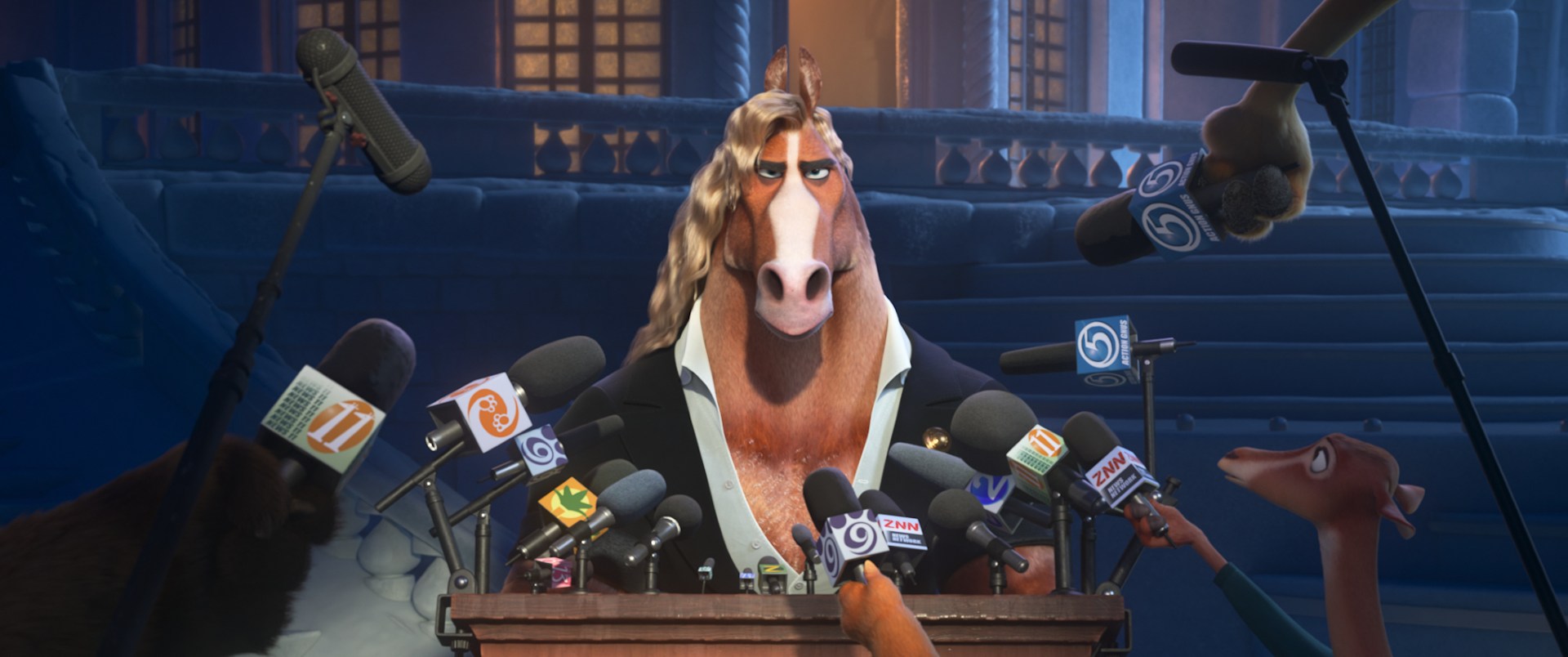
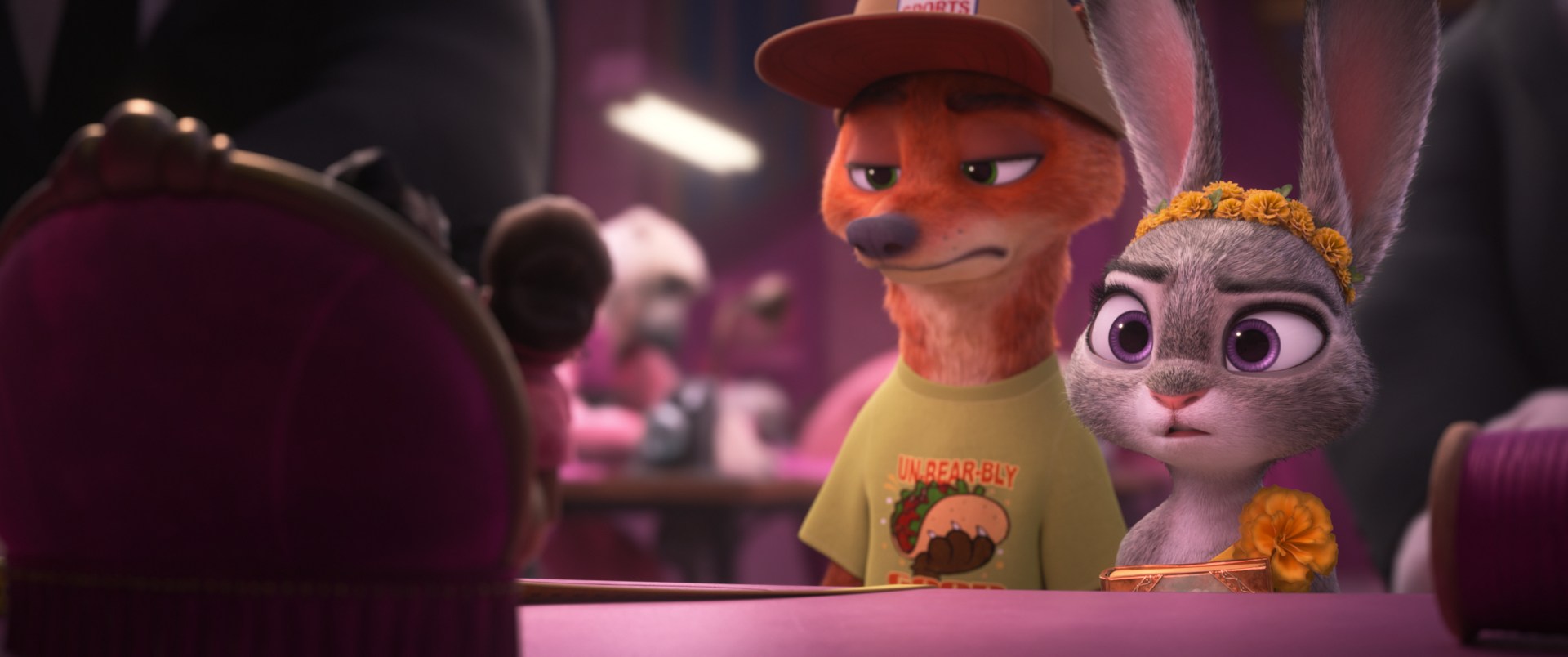
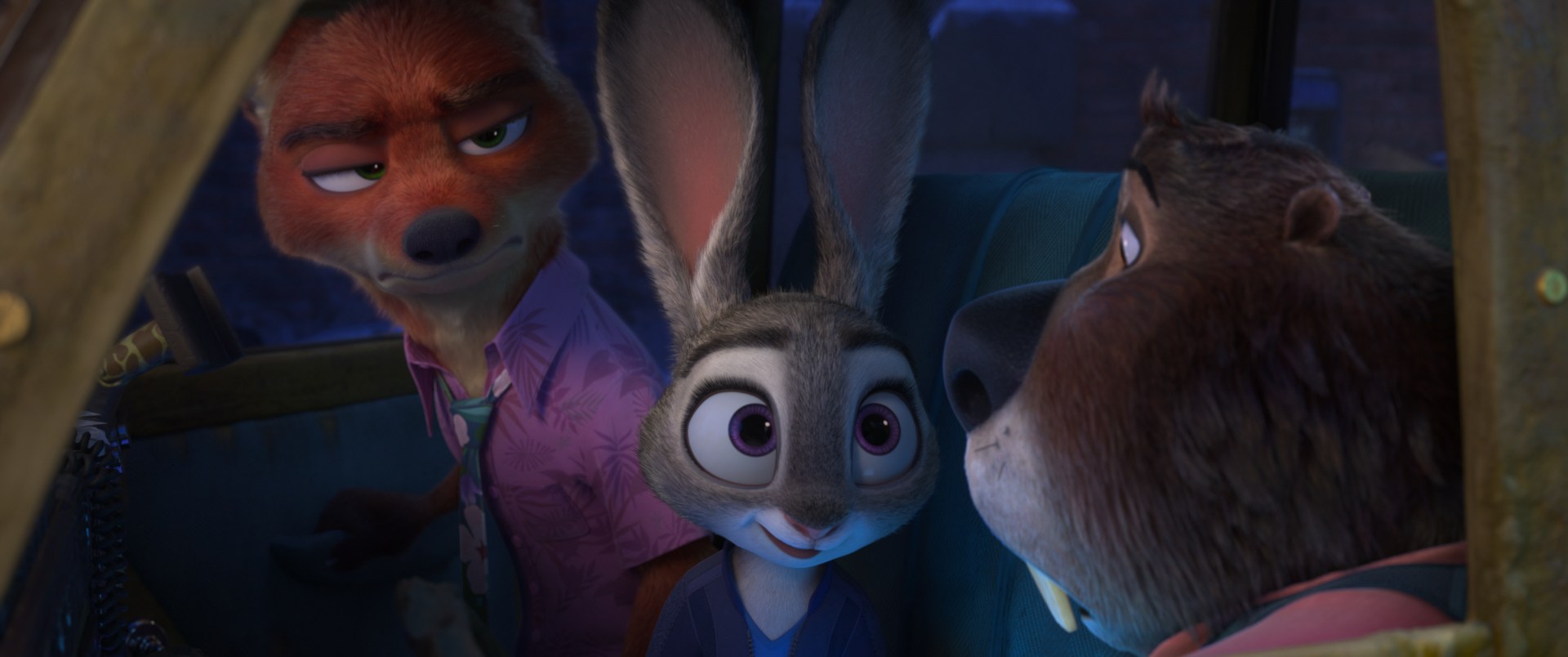
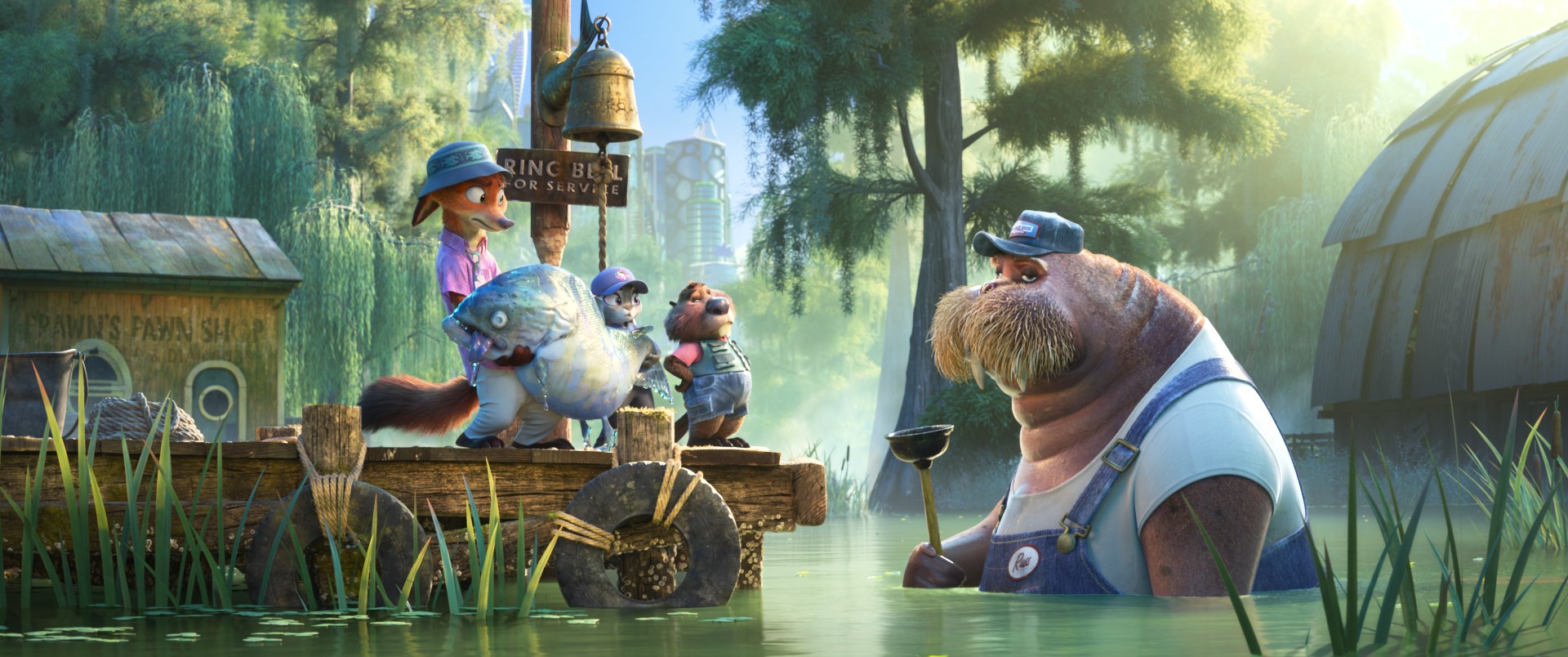
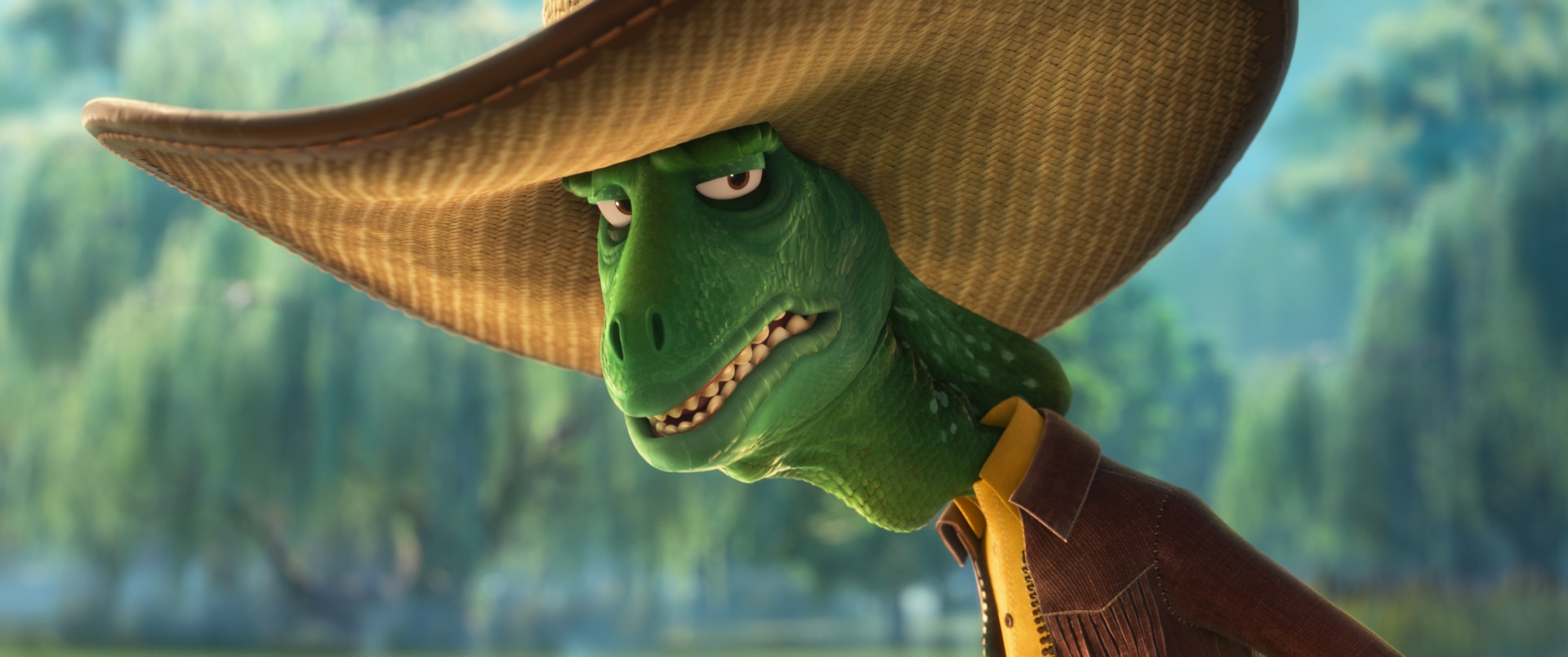
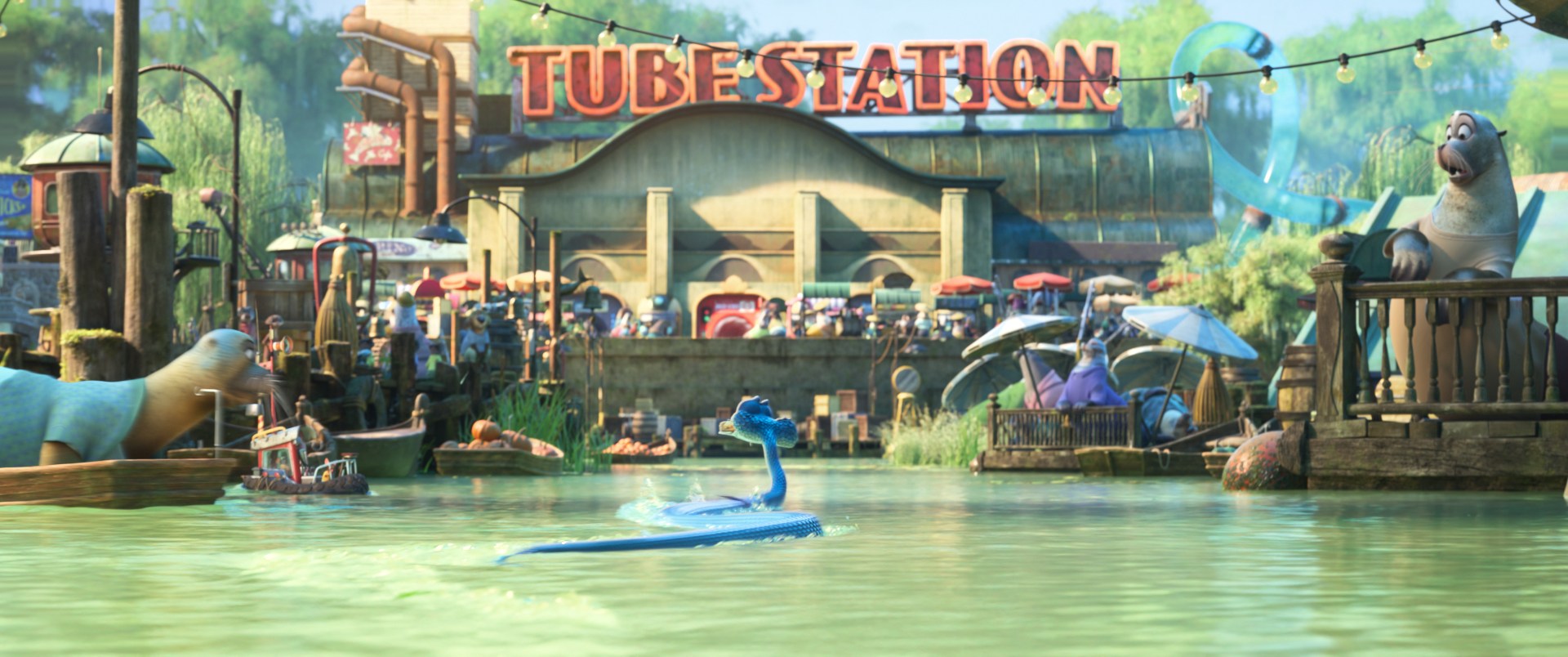
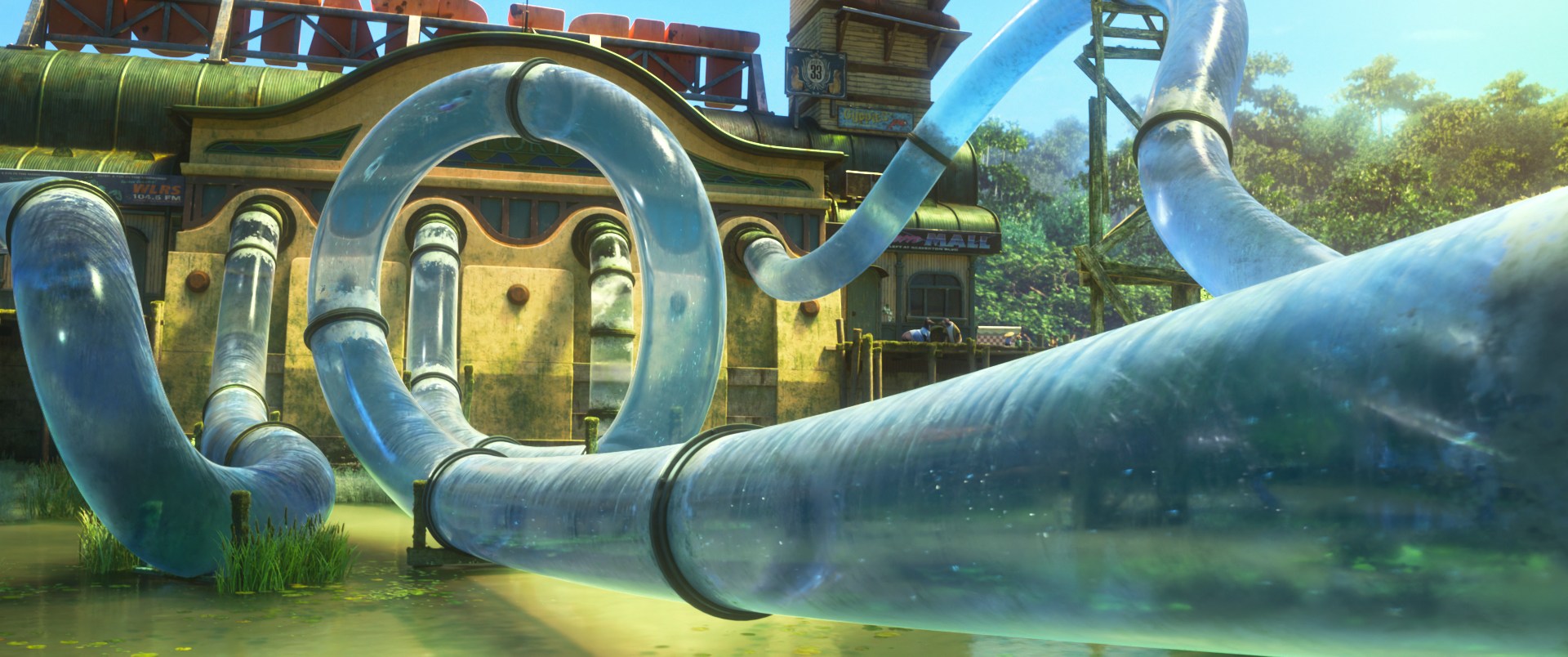
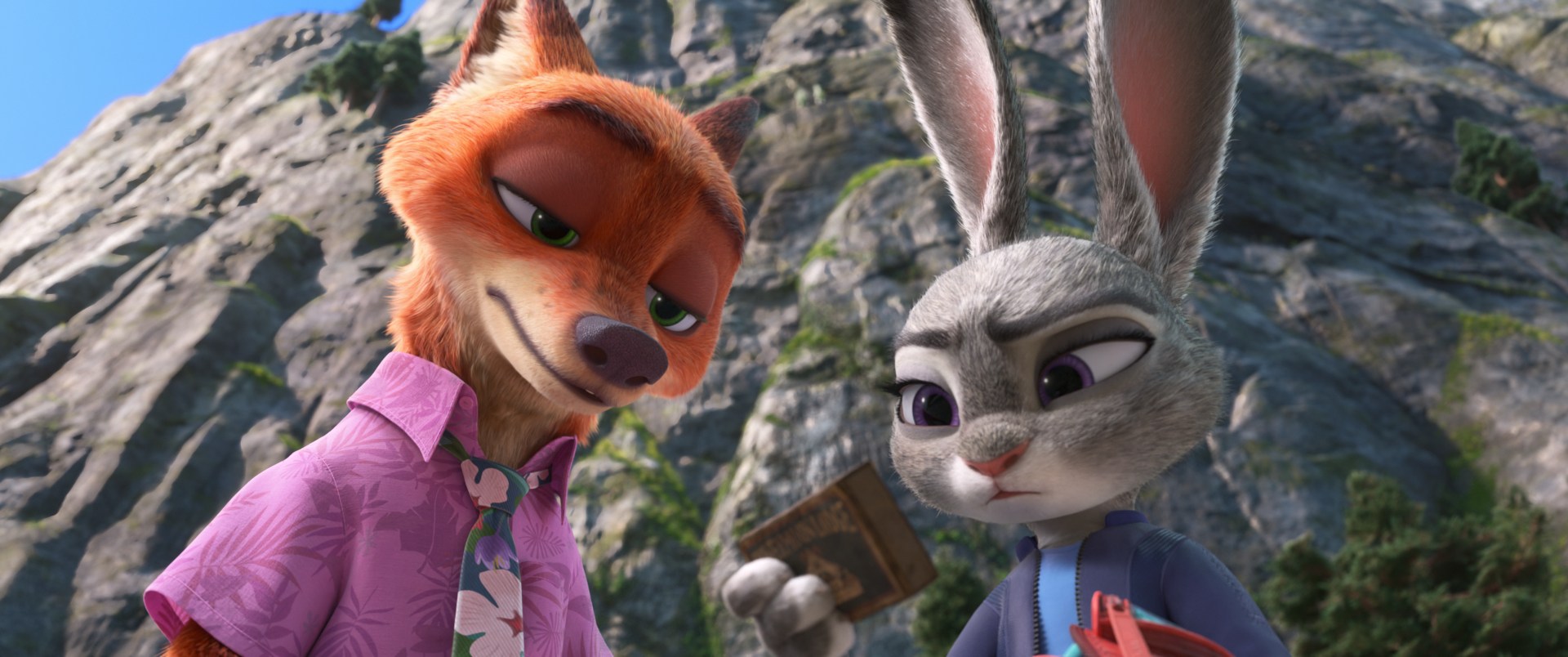
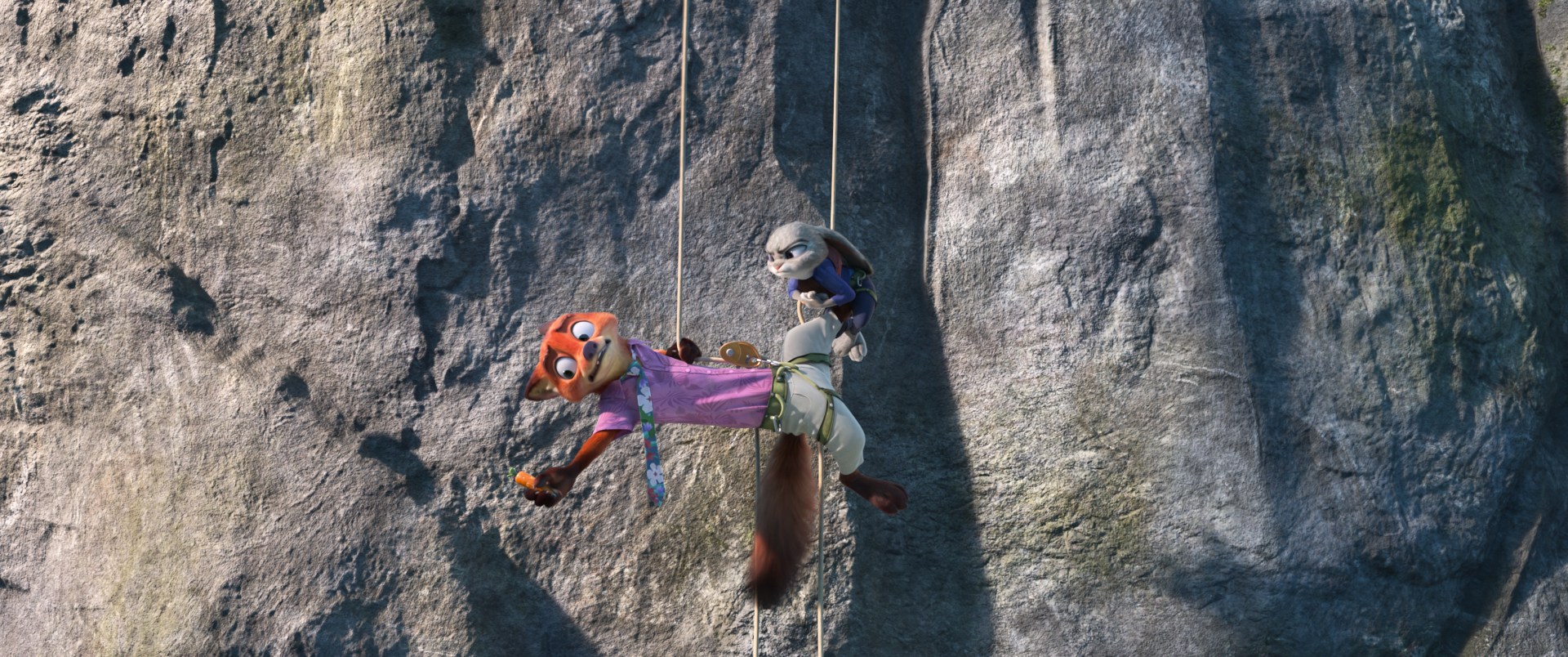
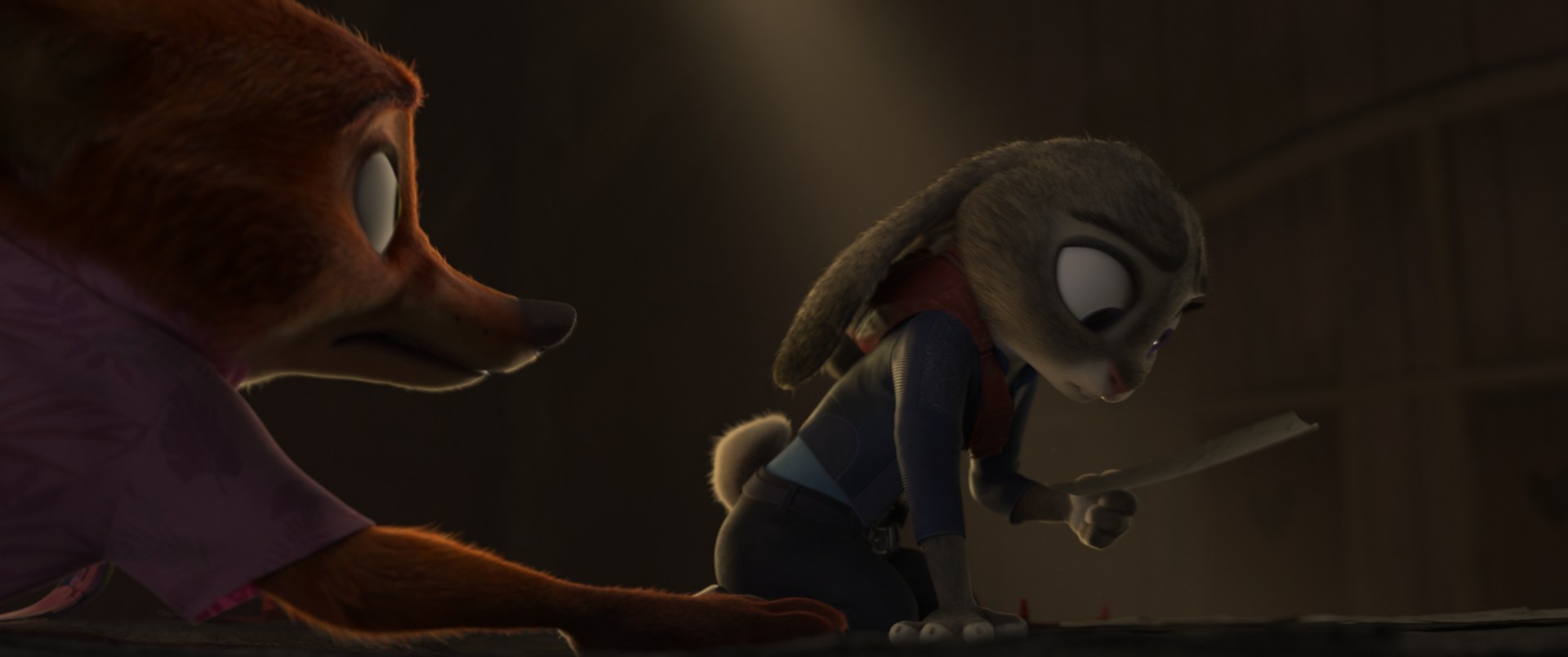
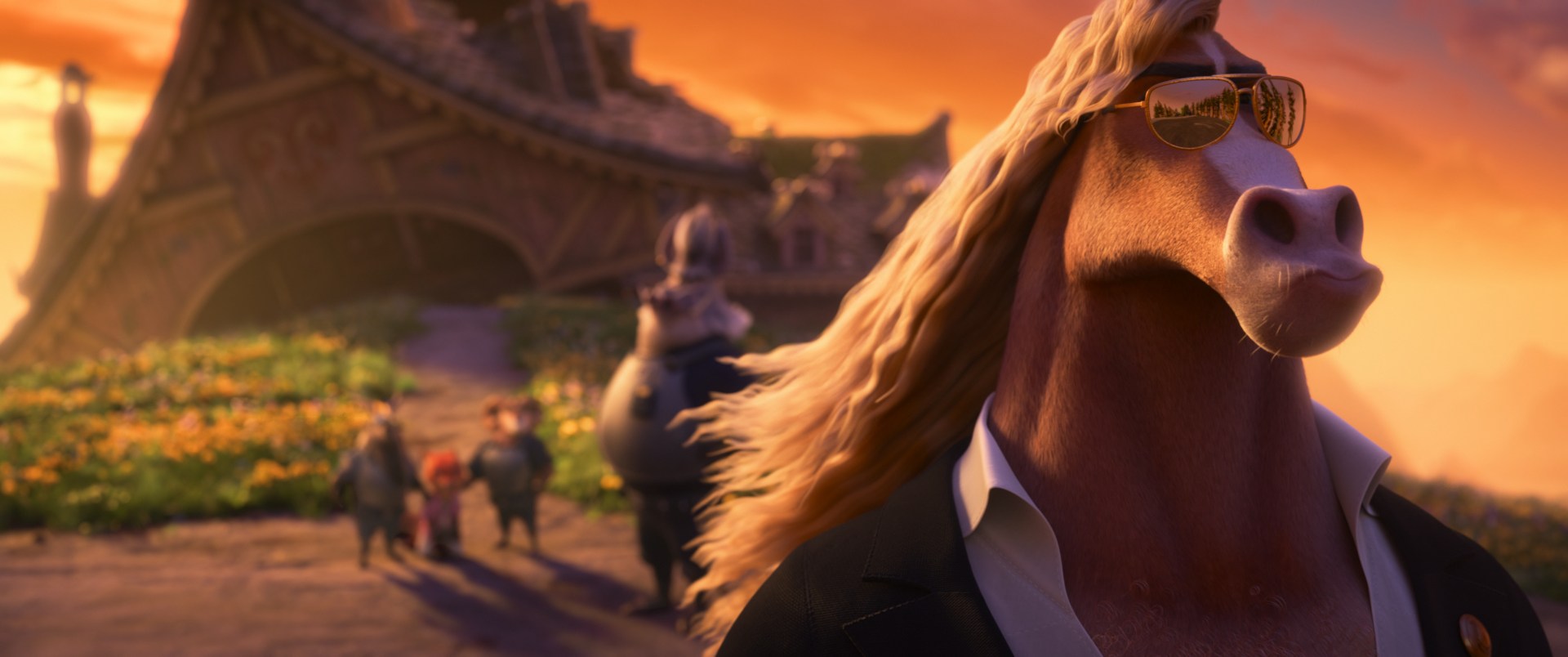
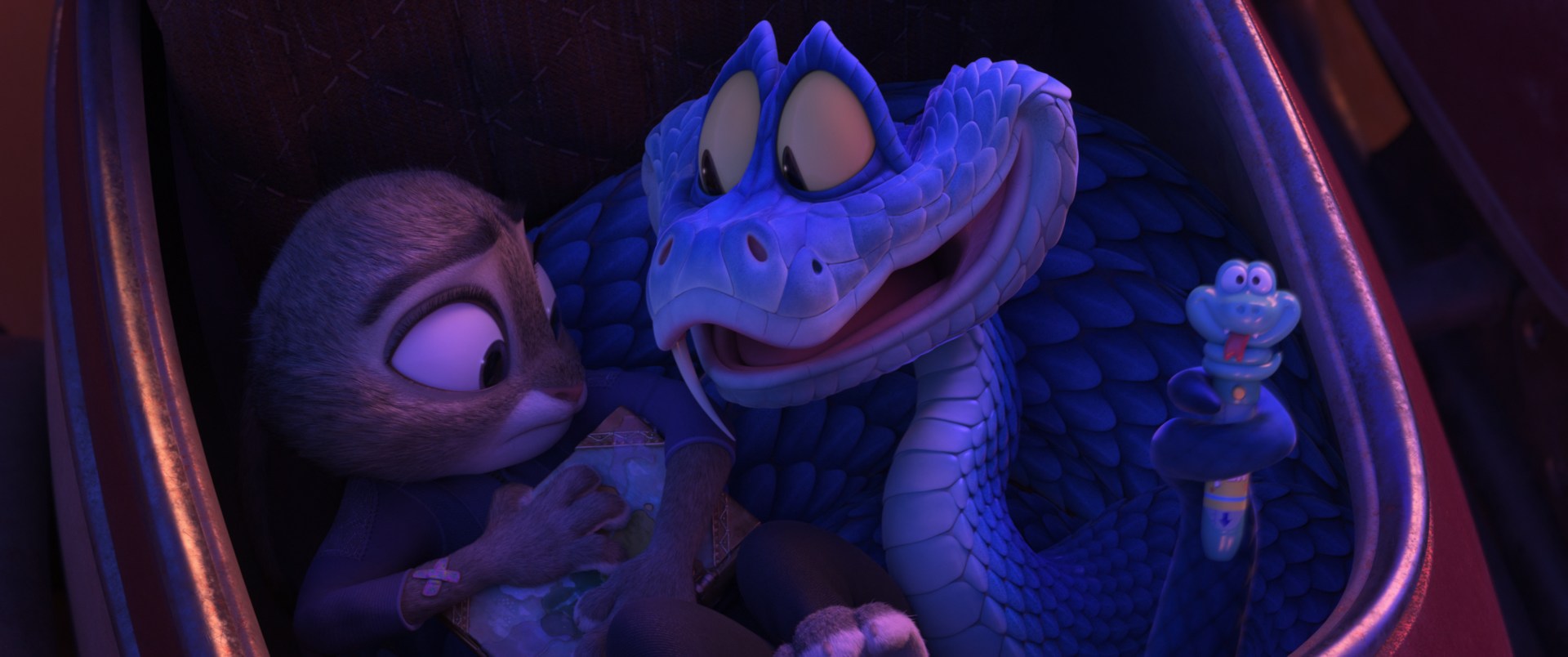
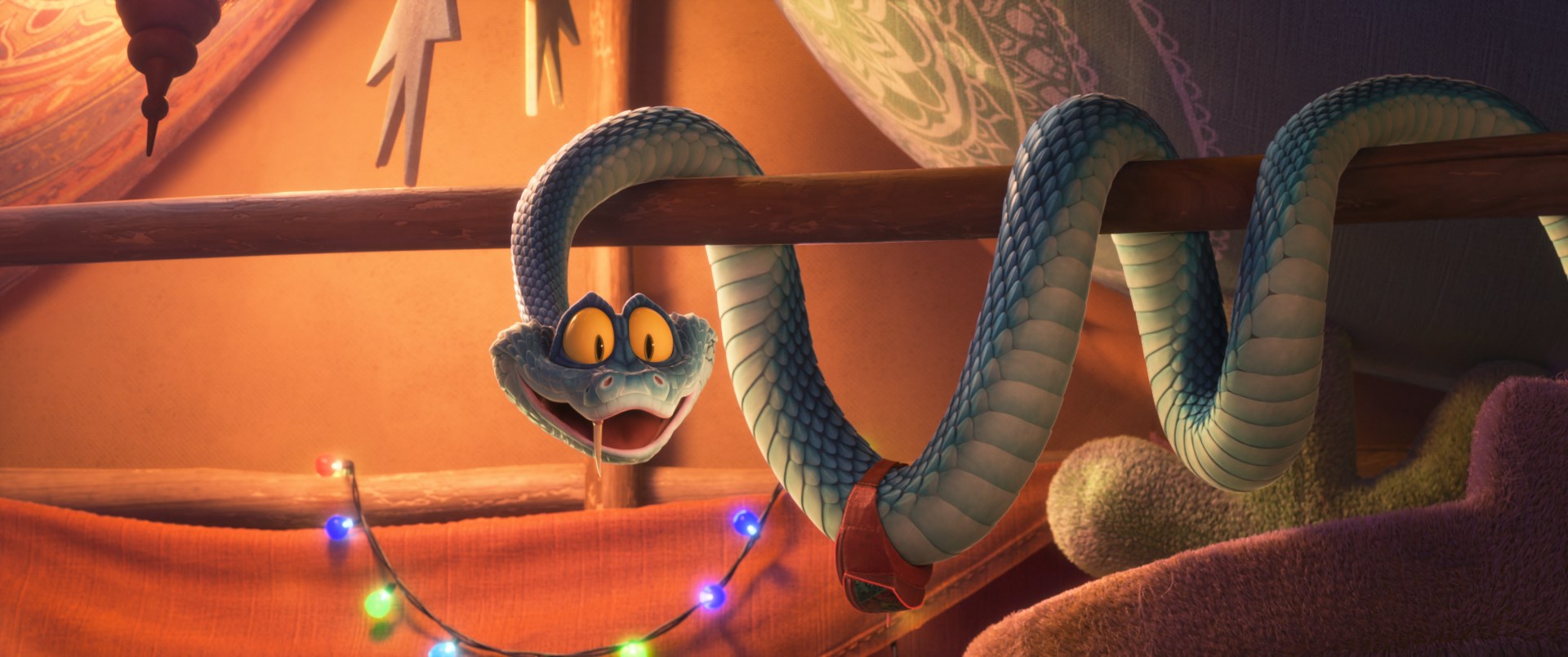
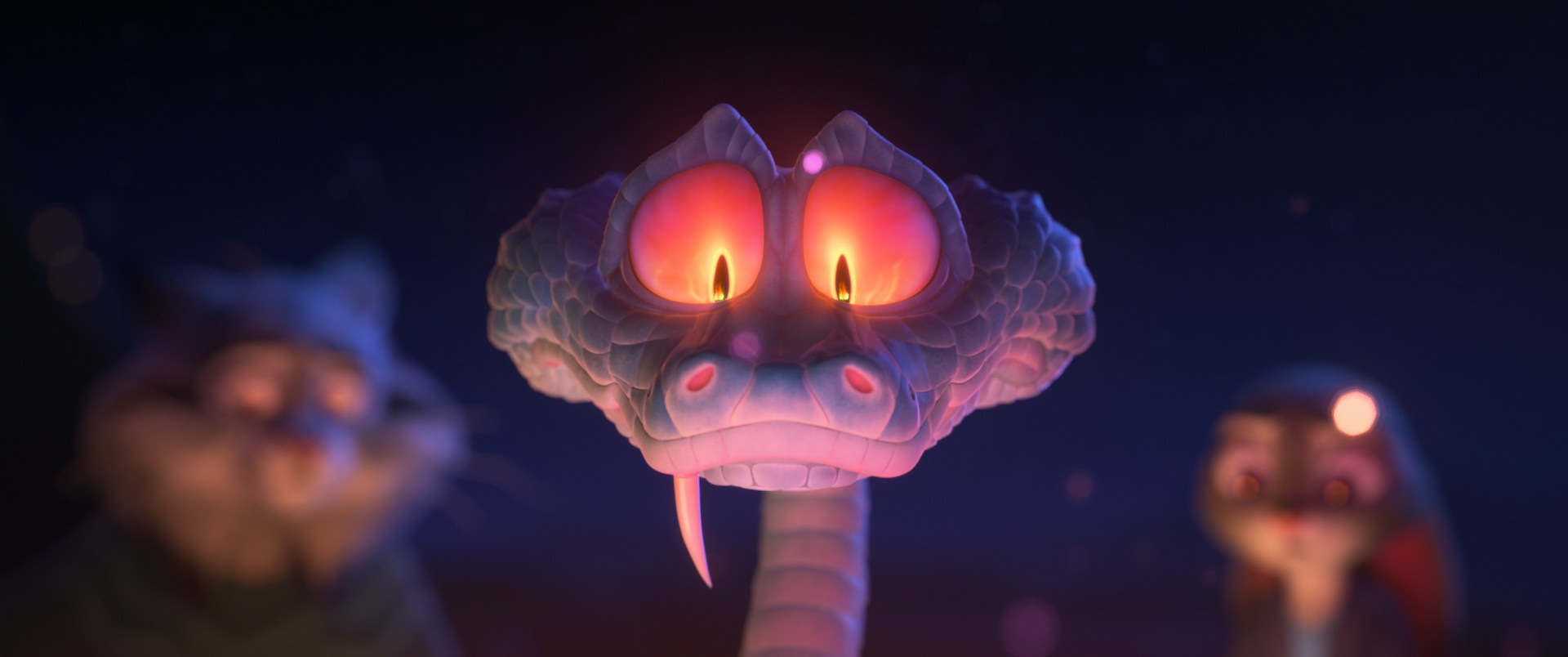
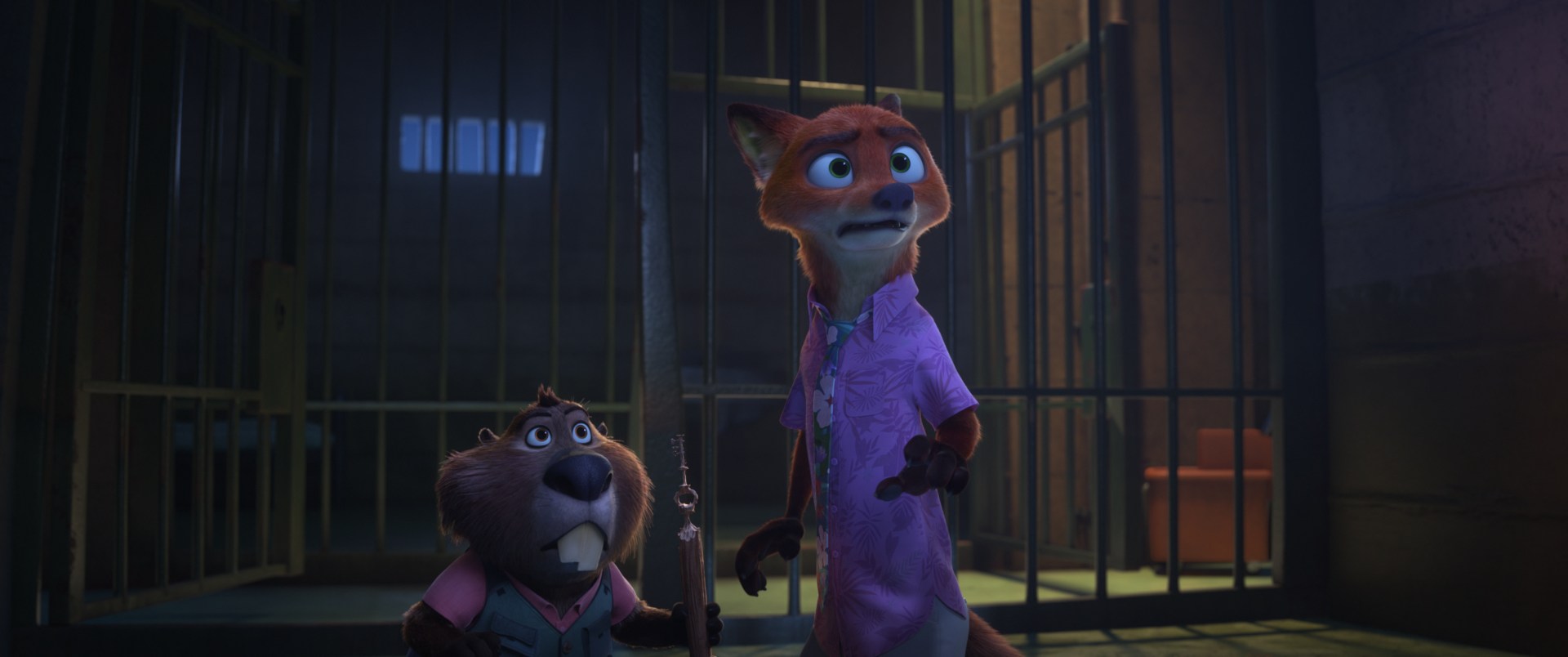
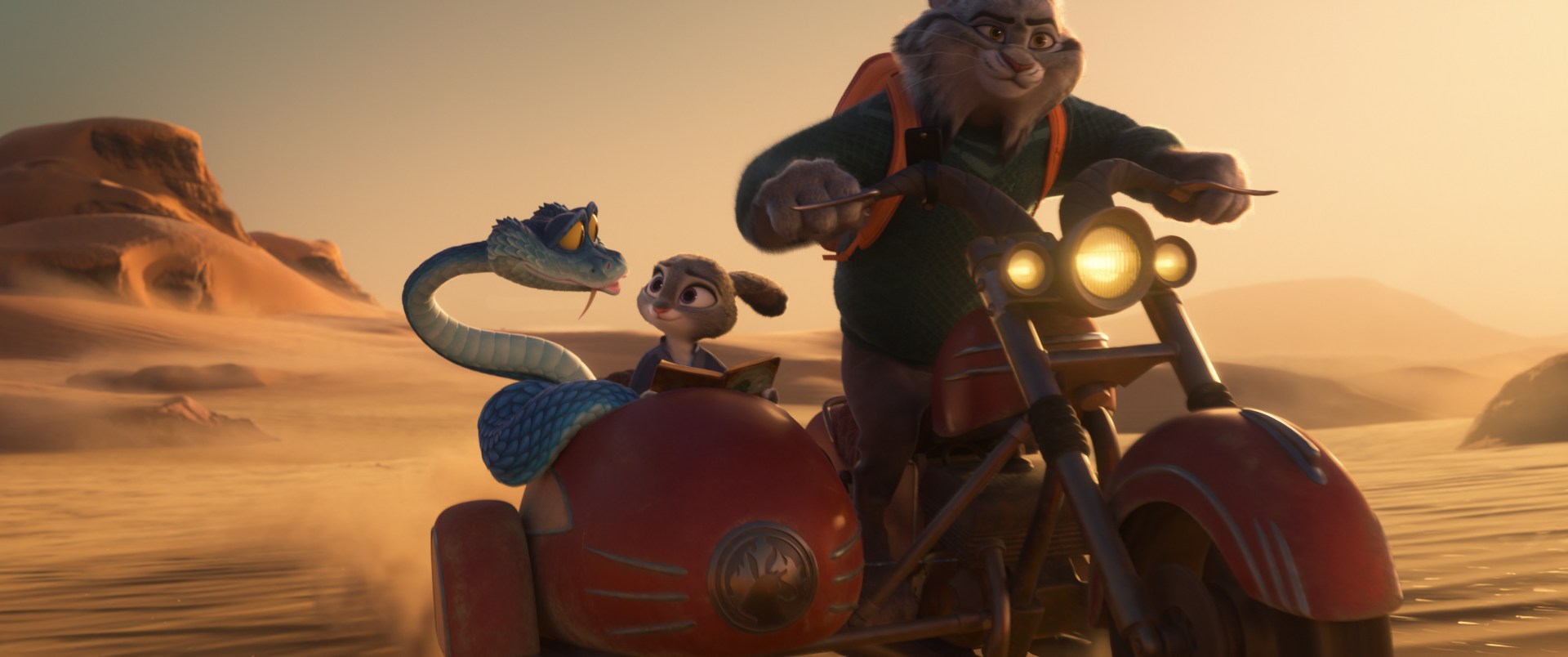
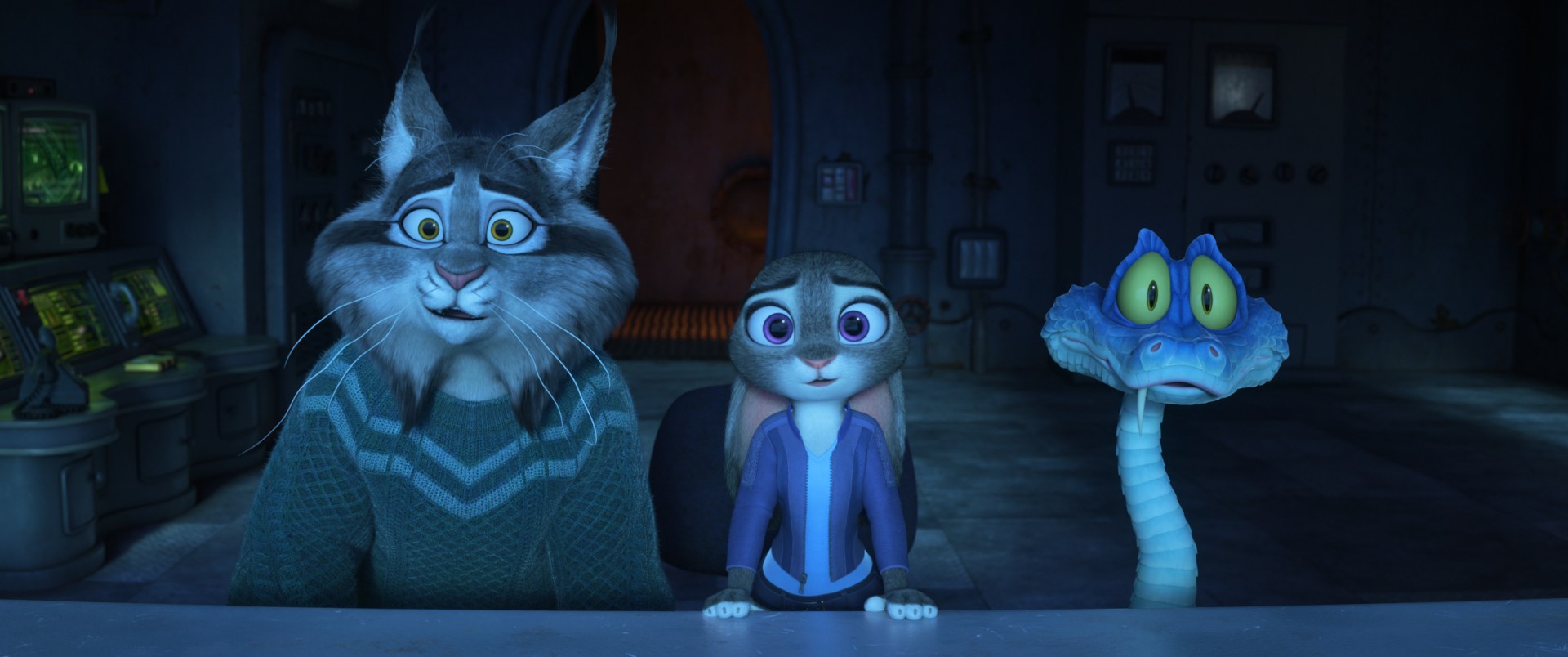
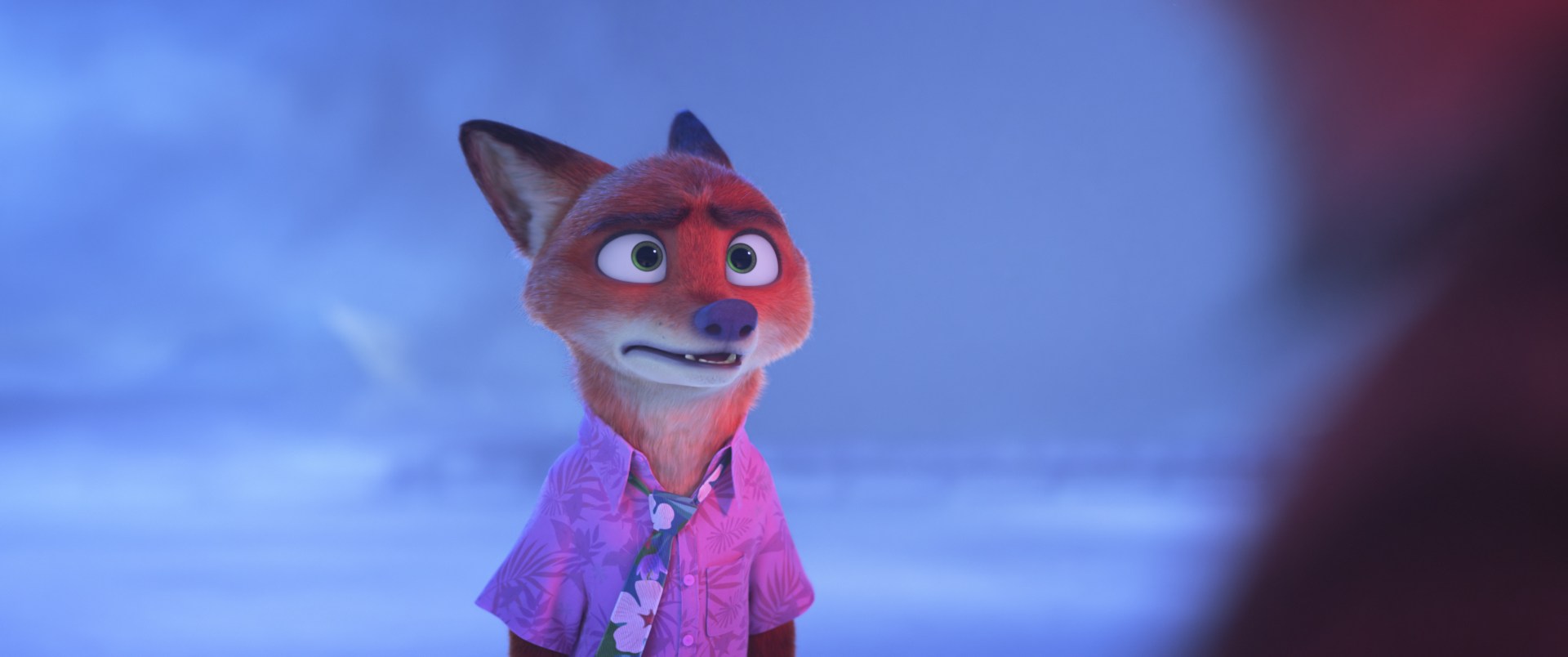
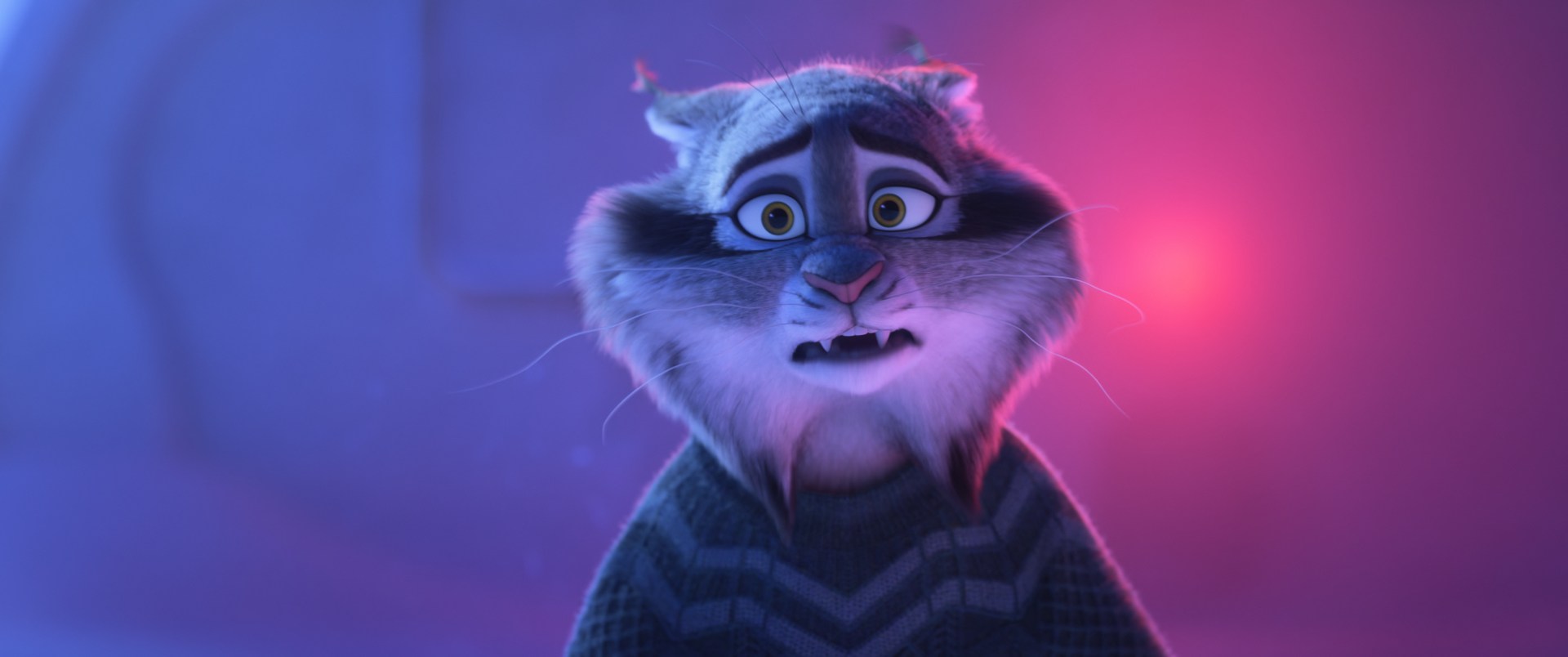
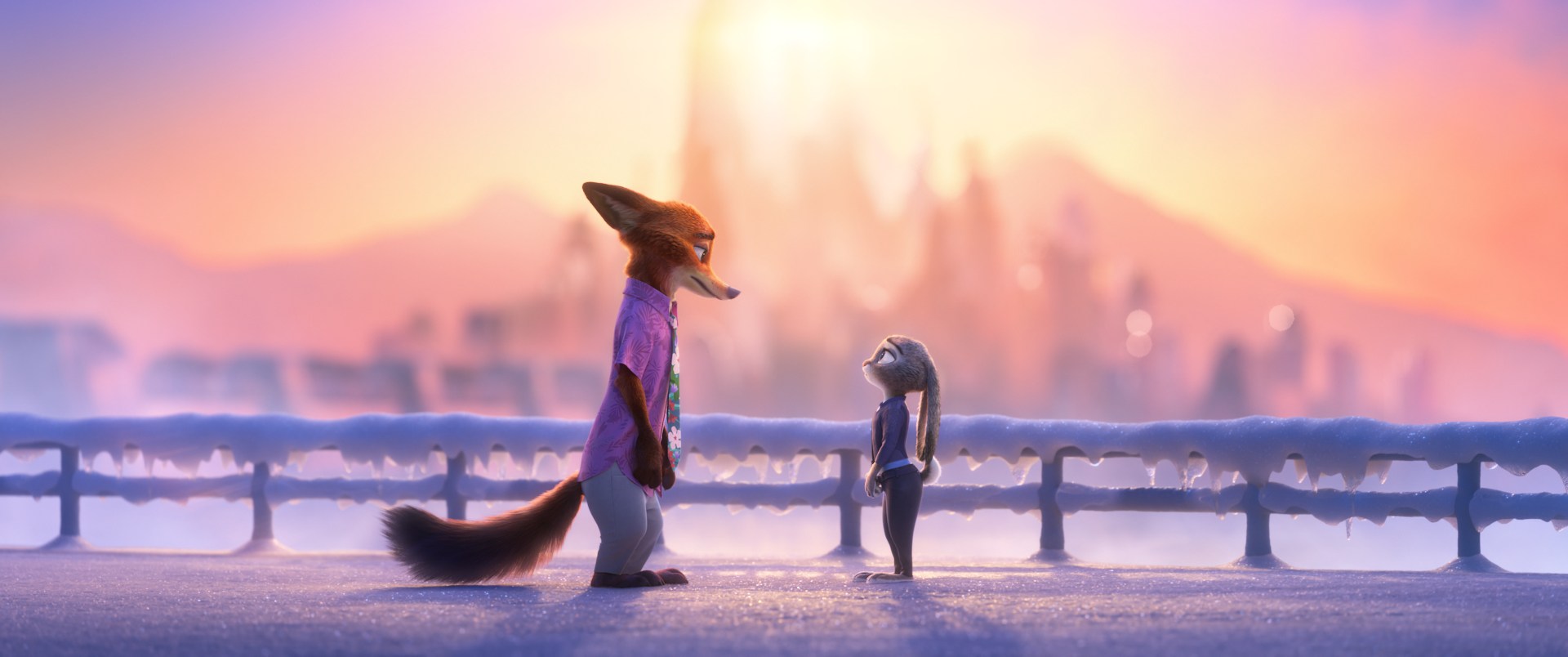
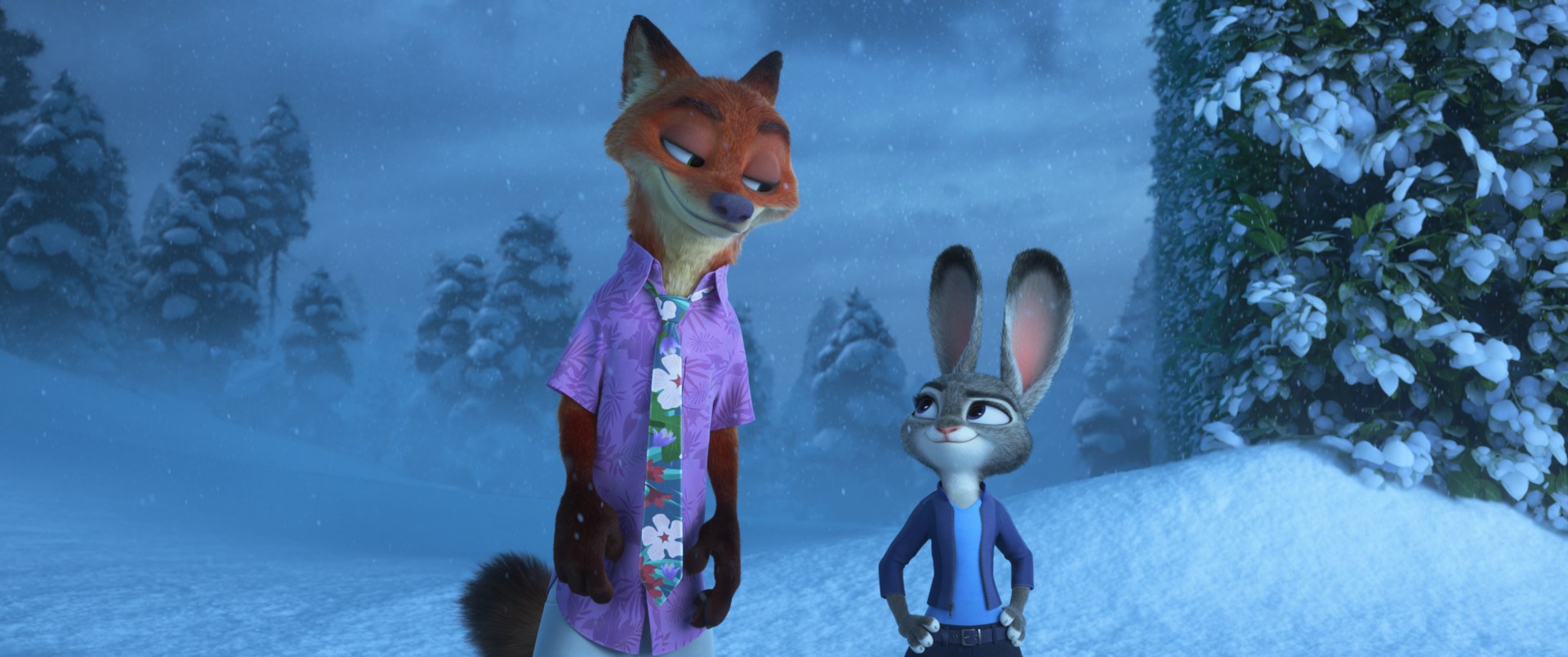
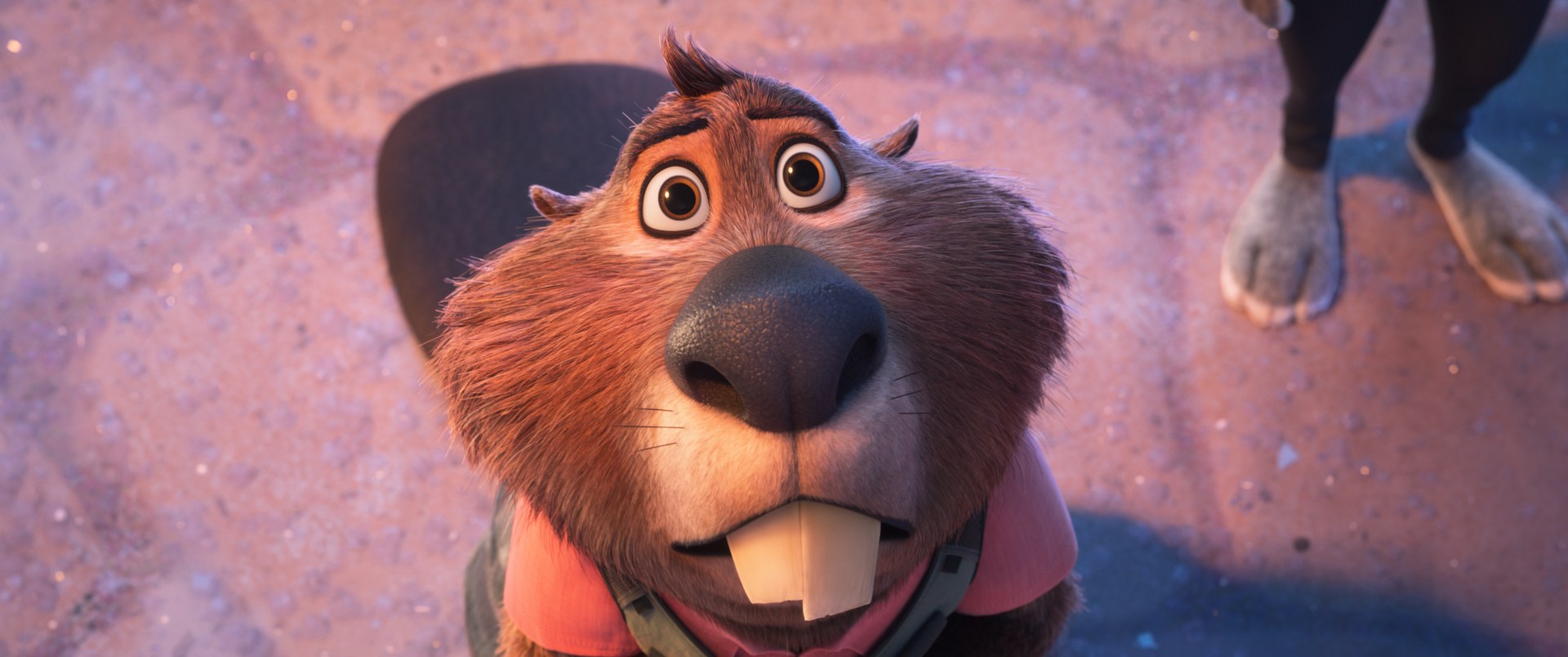
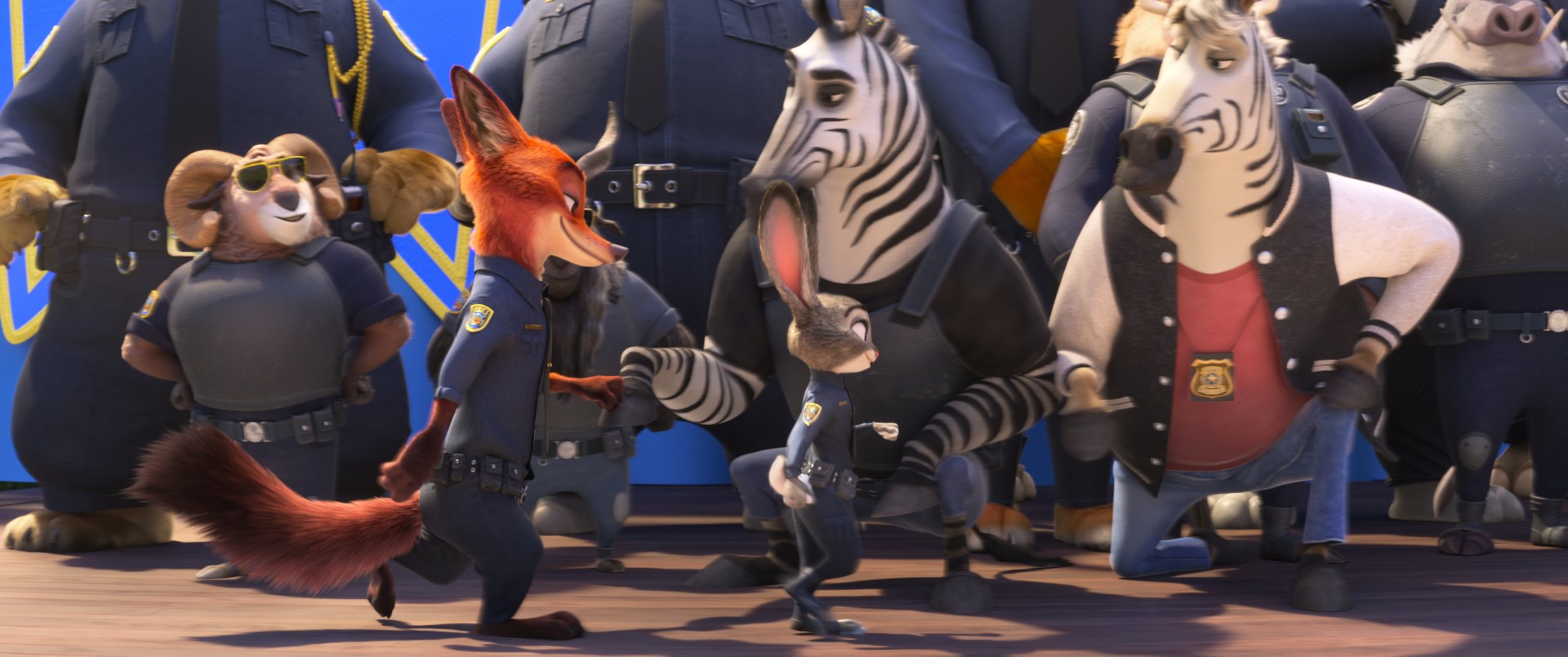
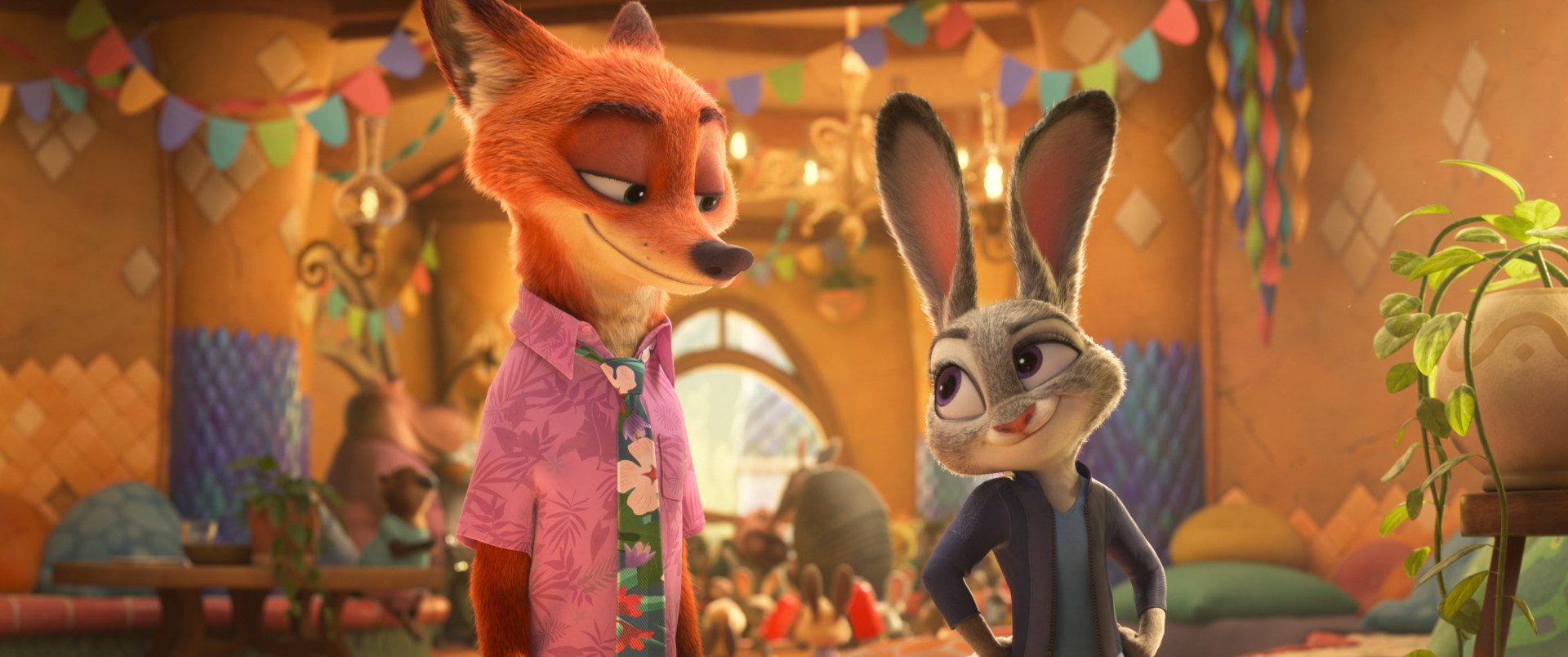
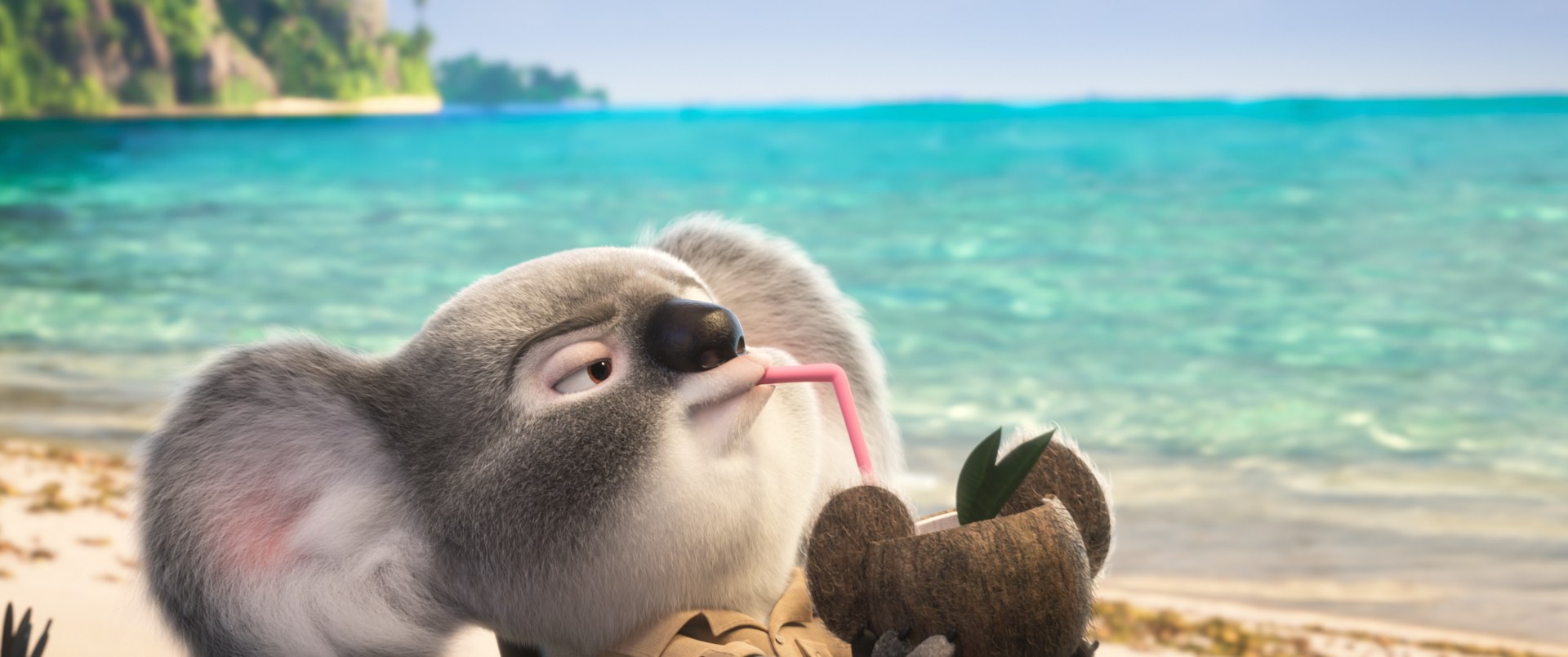
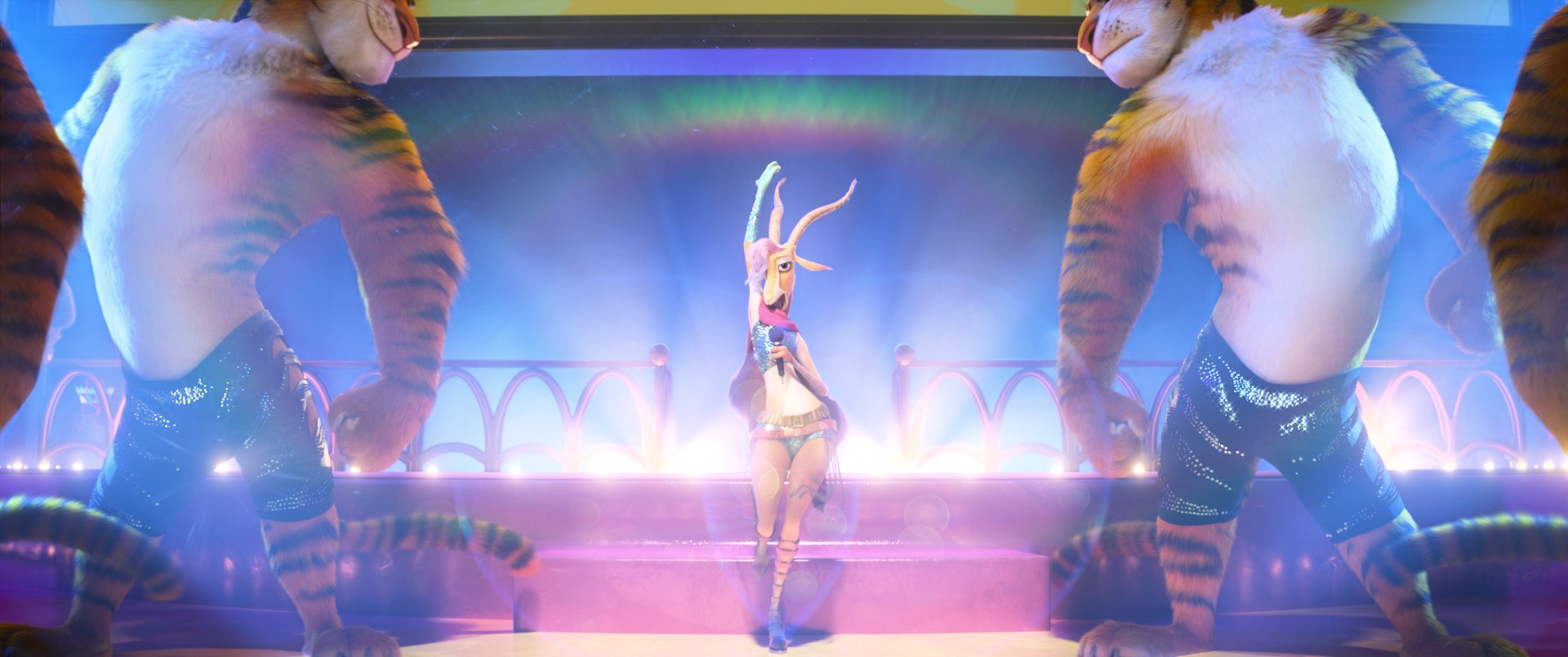
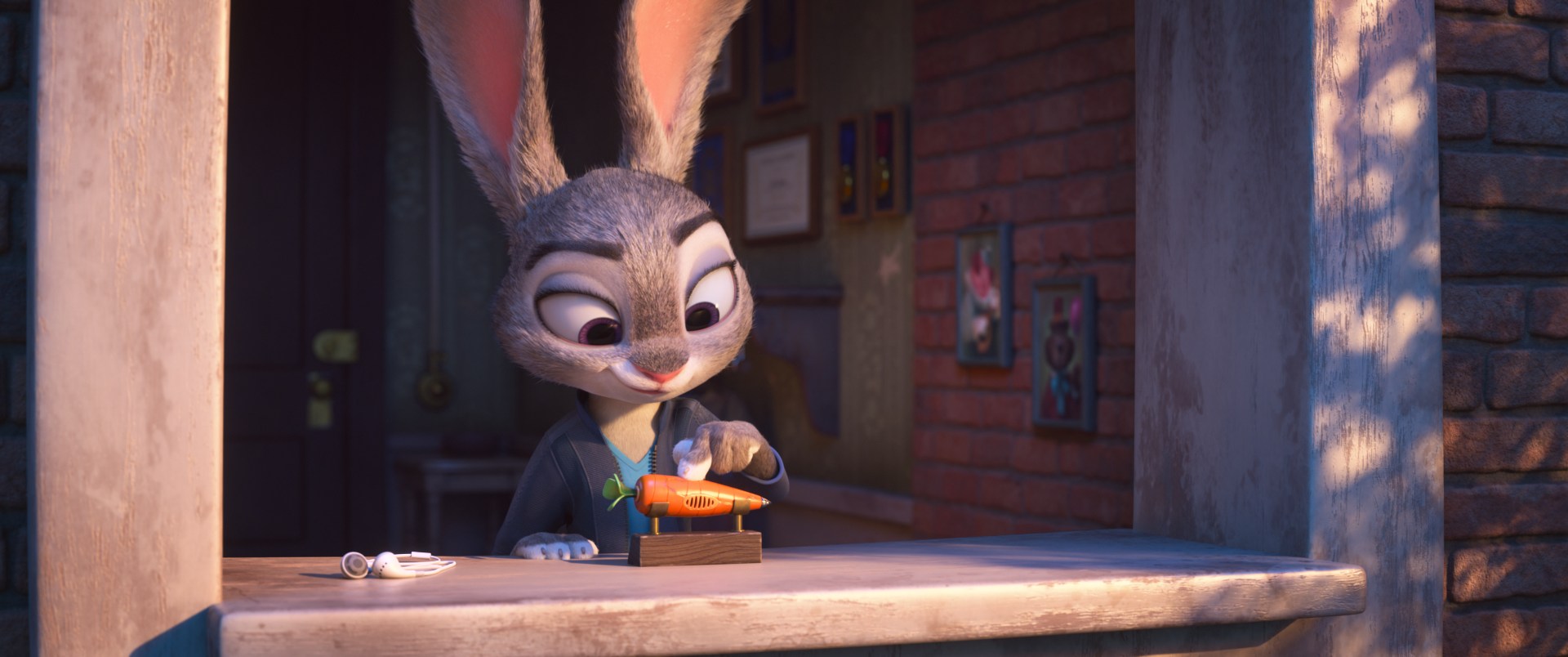
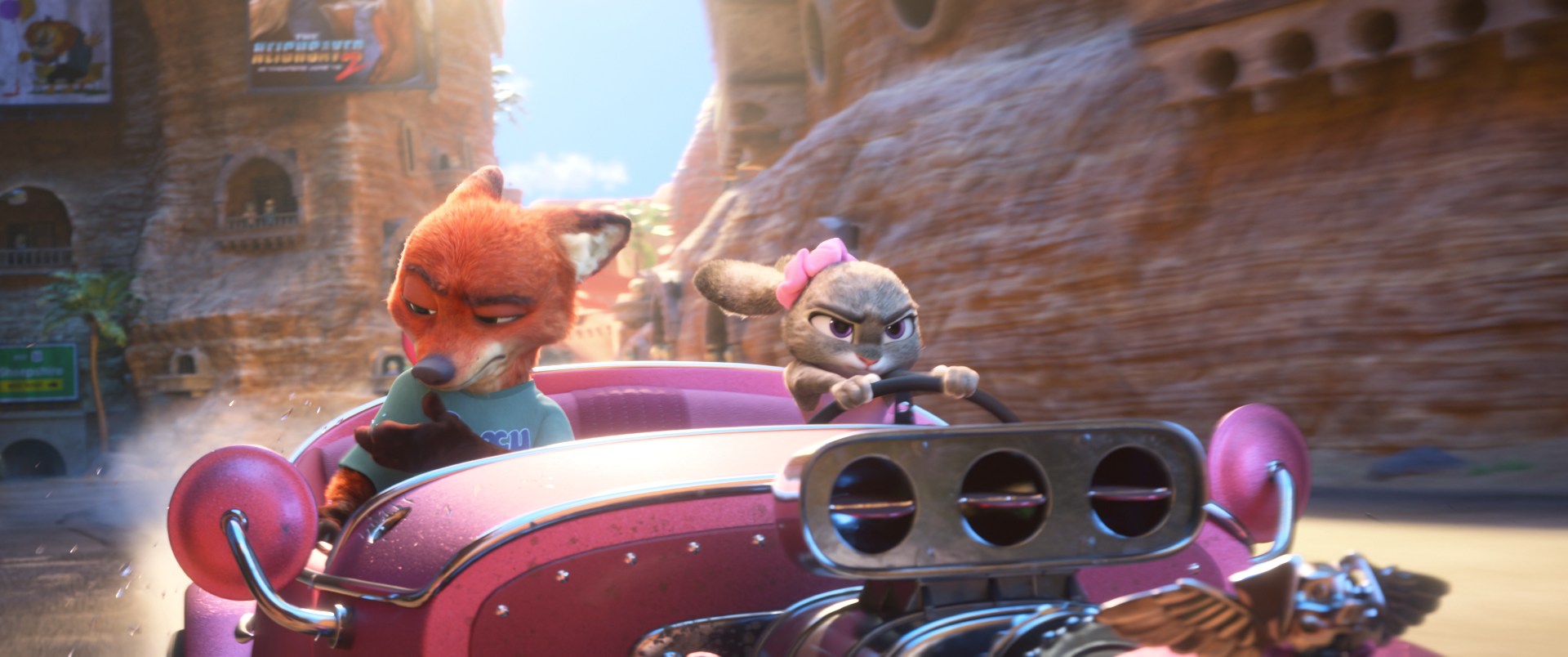
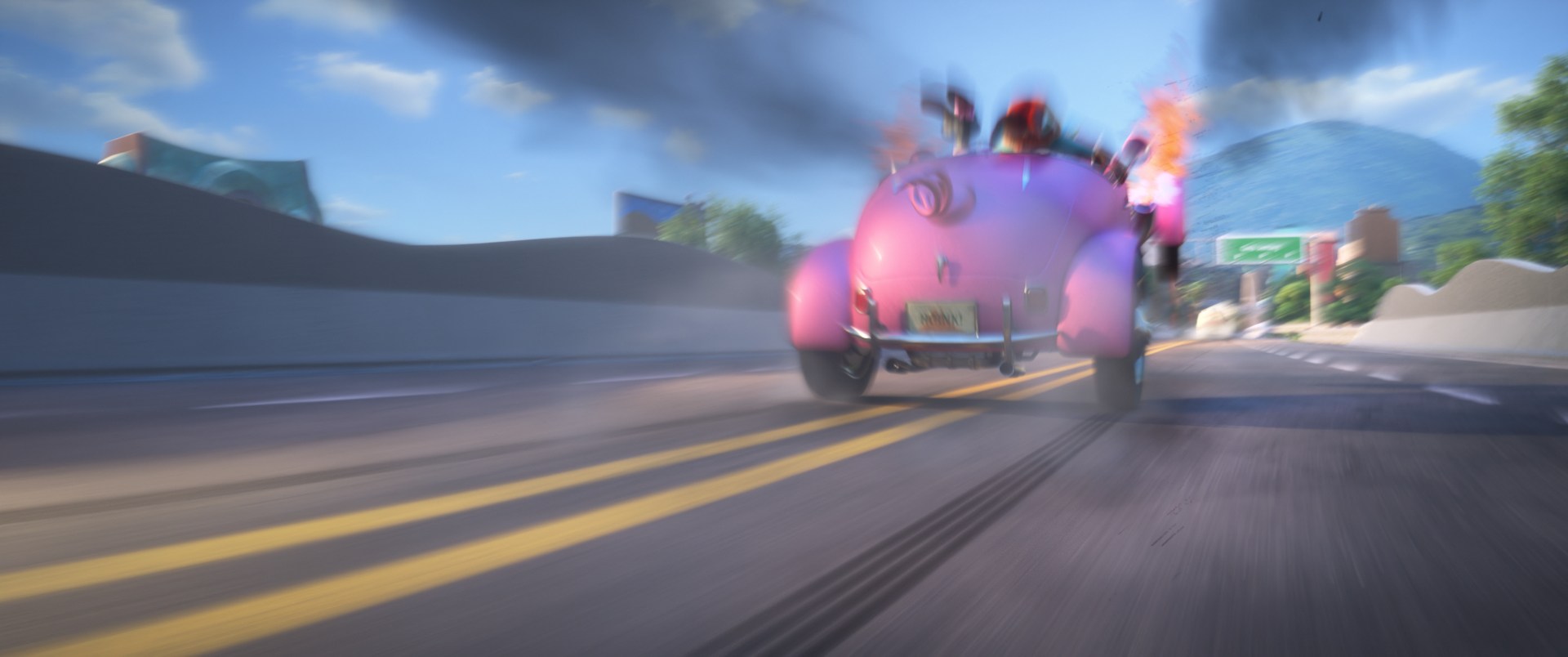
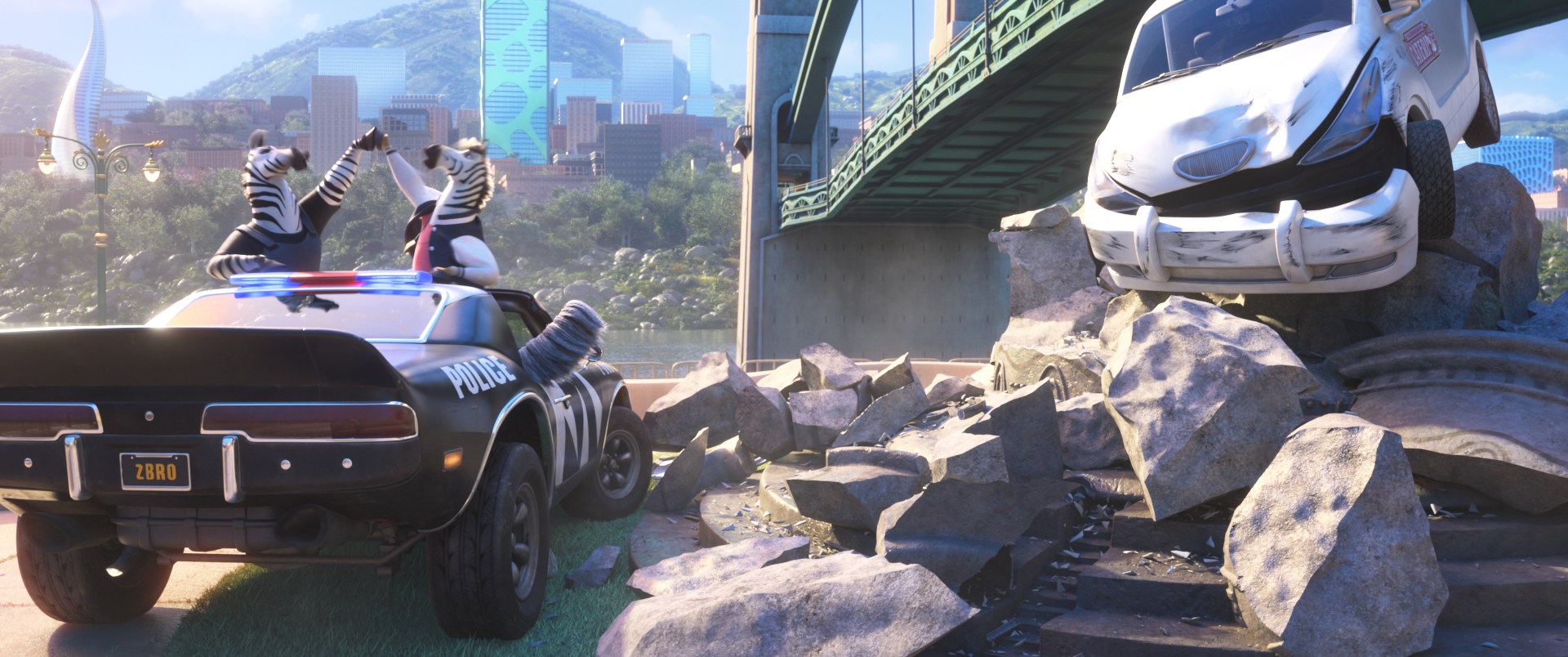
Selected shot stills drawn from across the feature, listed in the order the film assembles them:
Sequences: Where a Narrative Block Gets Its Duration
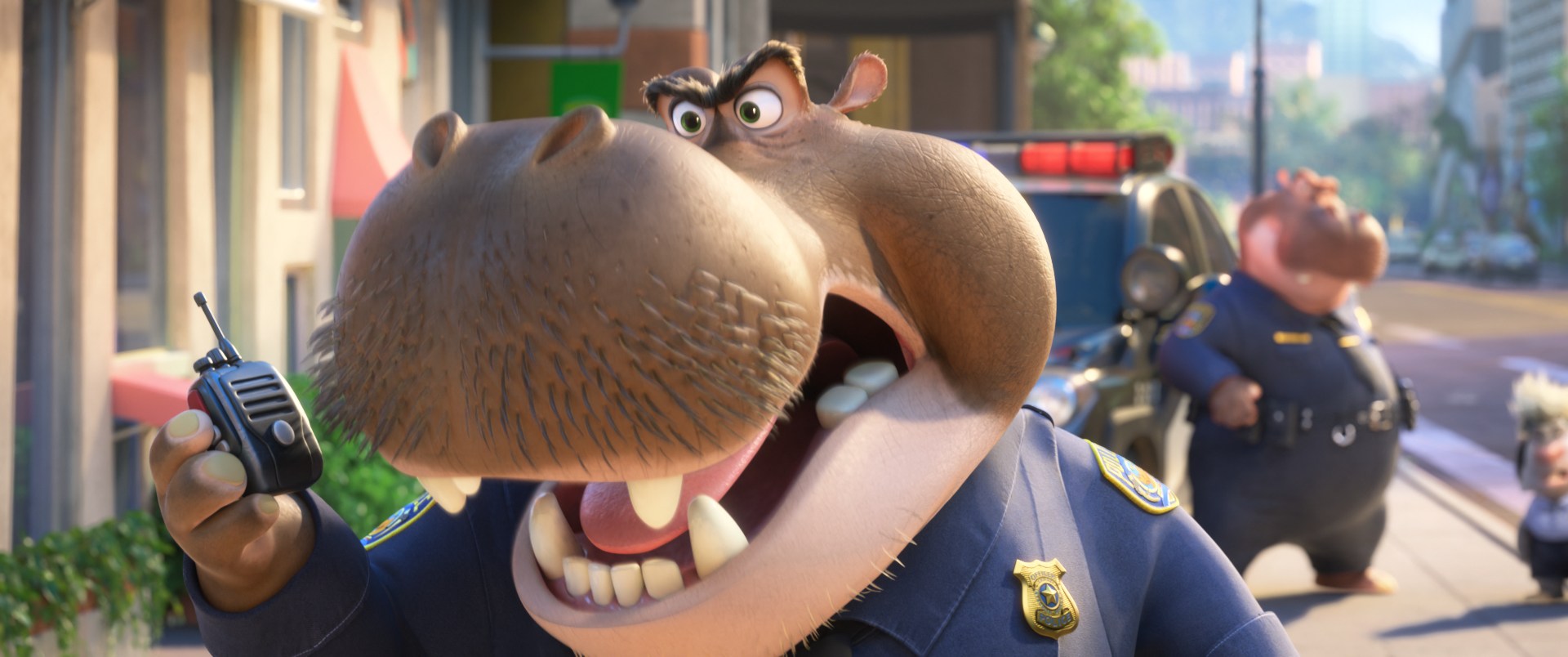
Each sequence is approximately 1 to 7 minutes long, a band wide enough to cover very different pieces of a film. Zootopia 2 had 41 sequences, and those sequences ranged from 37 seconds to 6 minutes. Each one is made up of many shots.
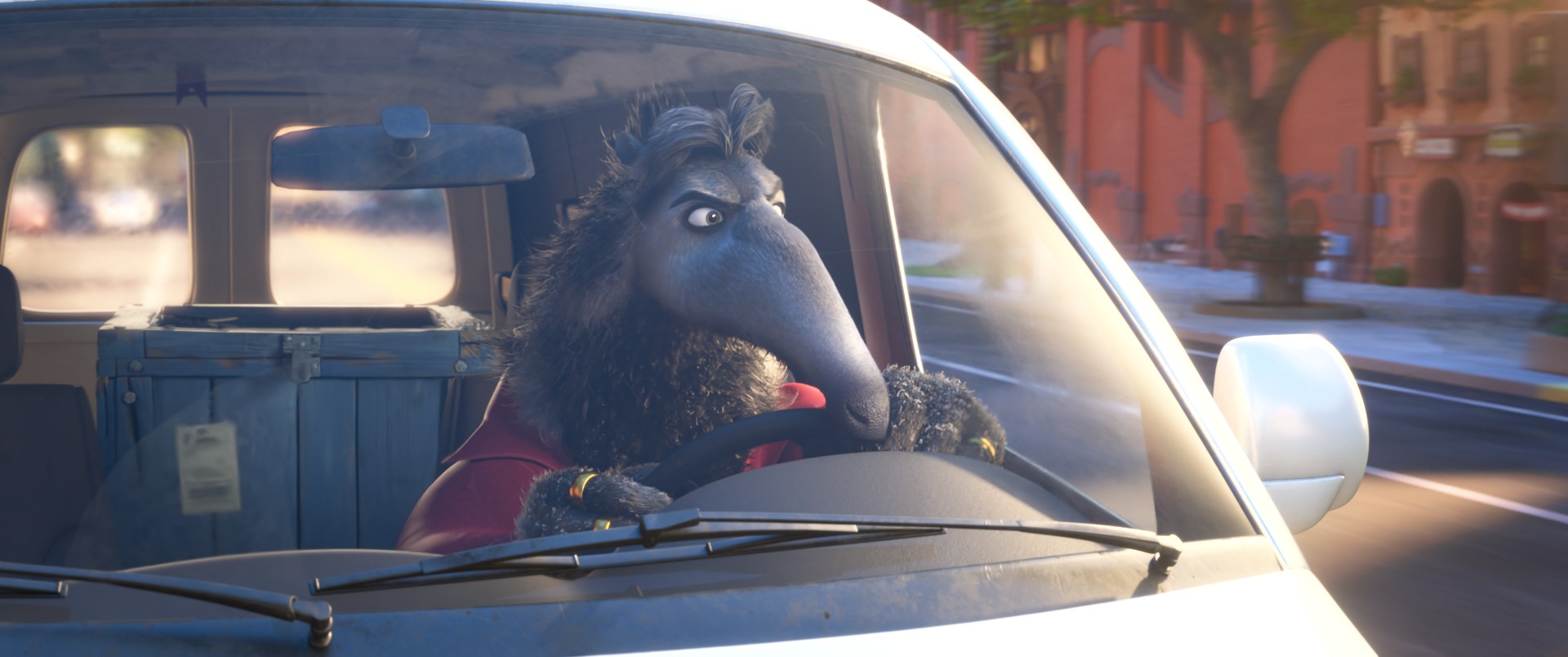
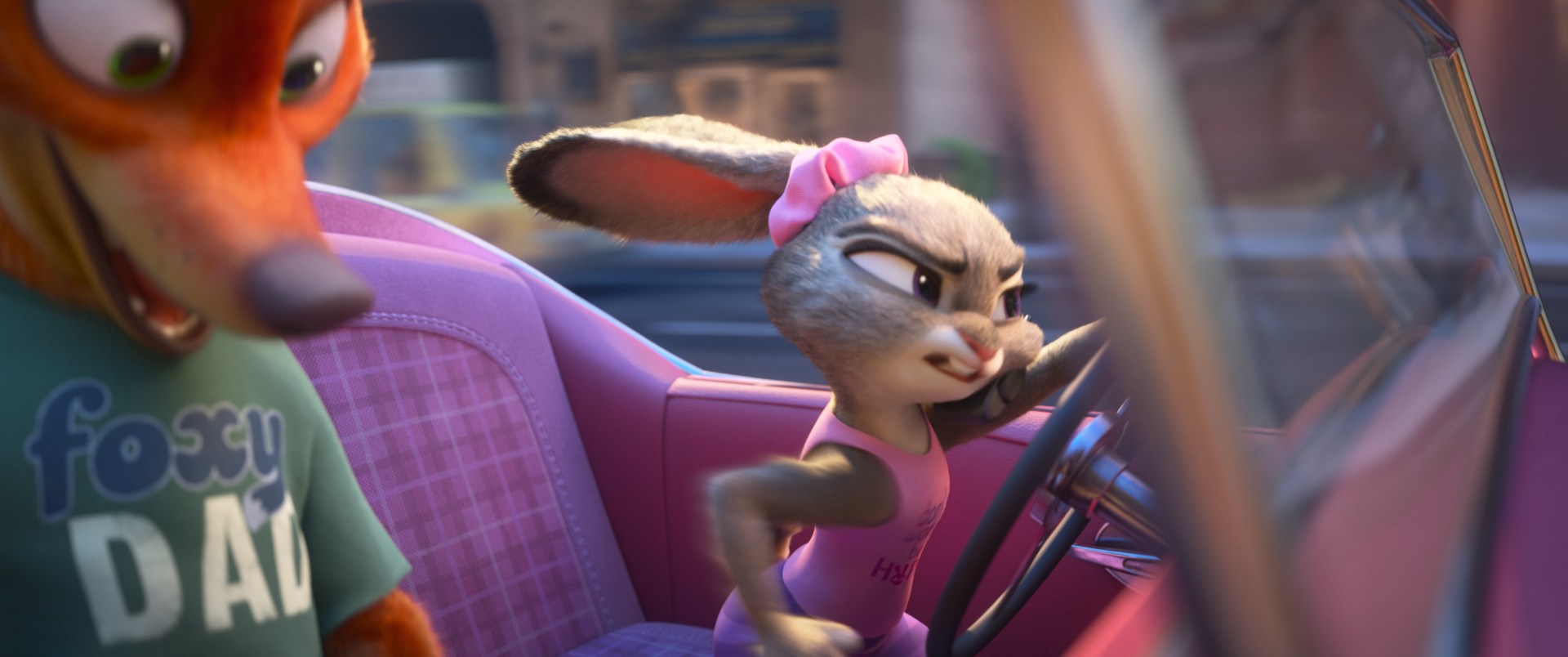
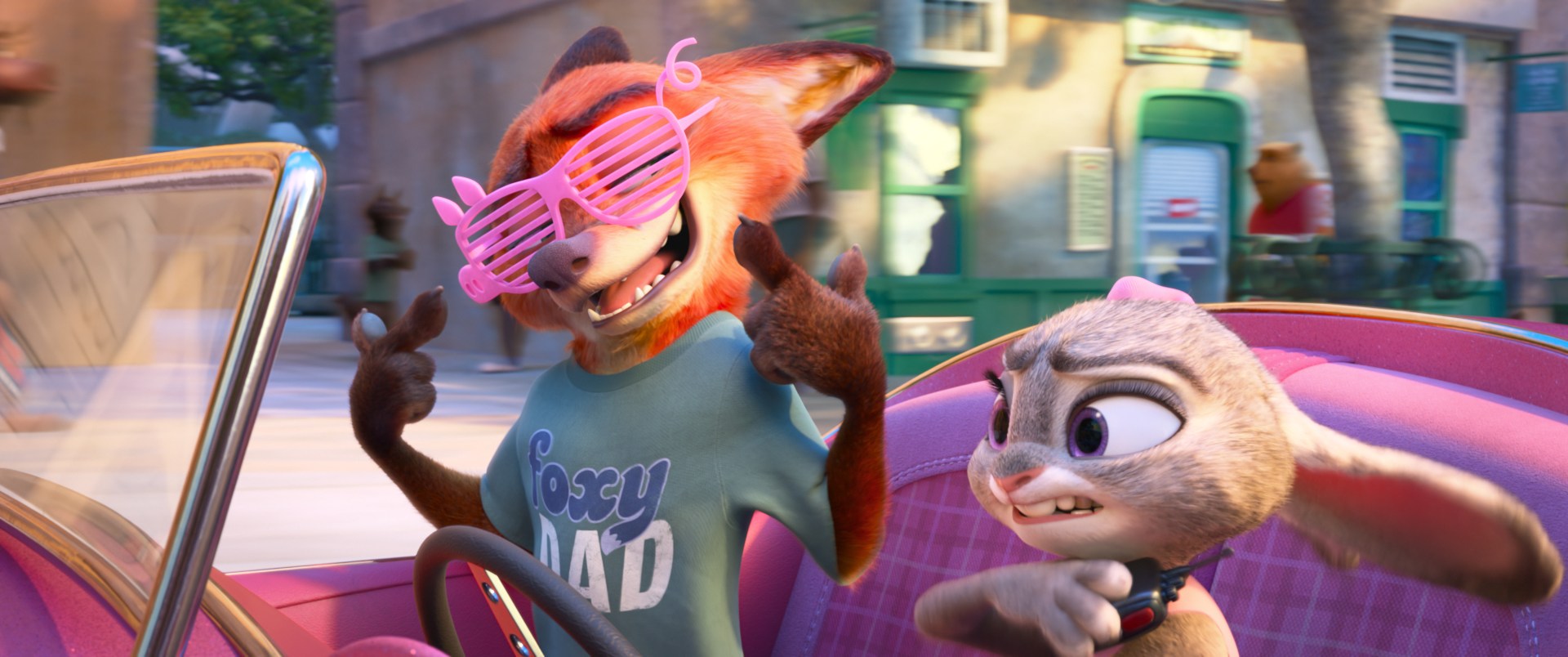
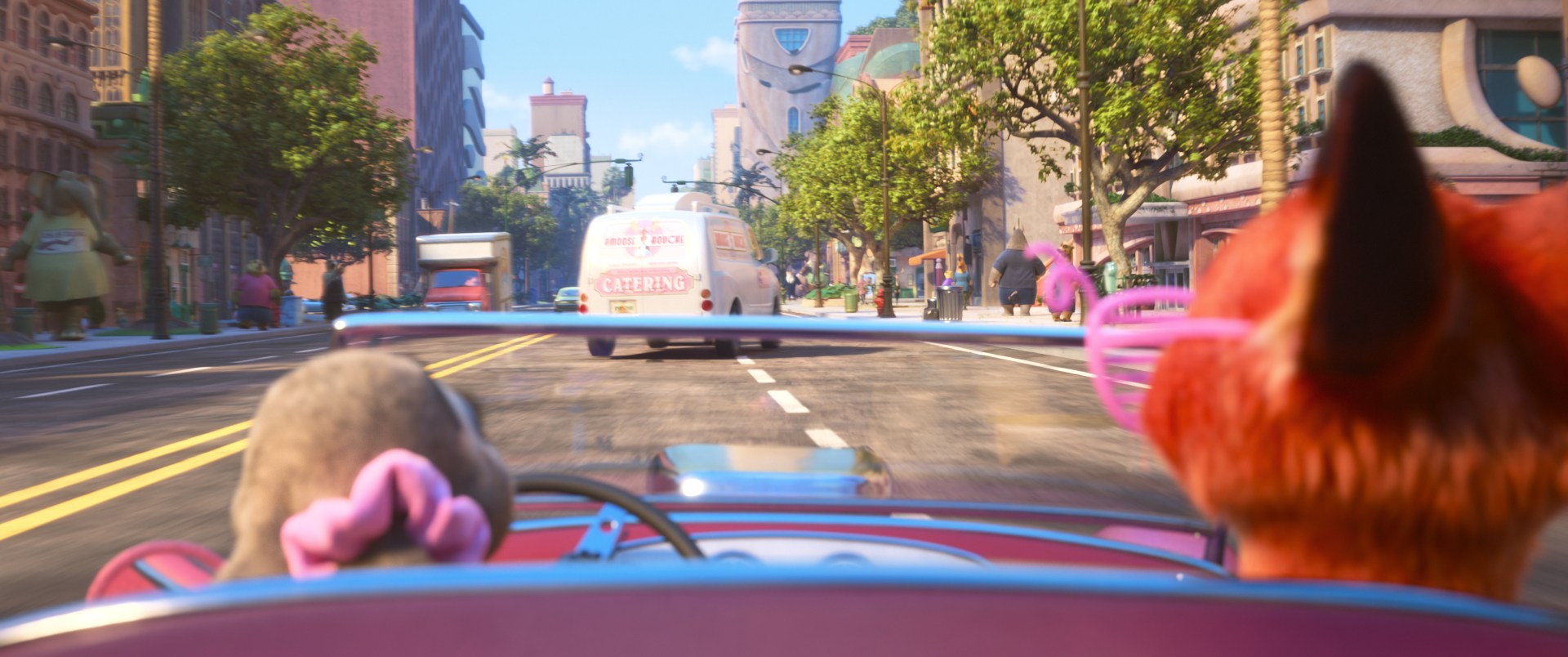
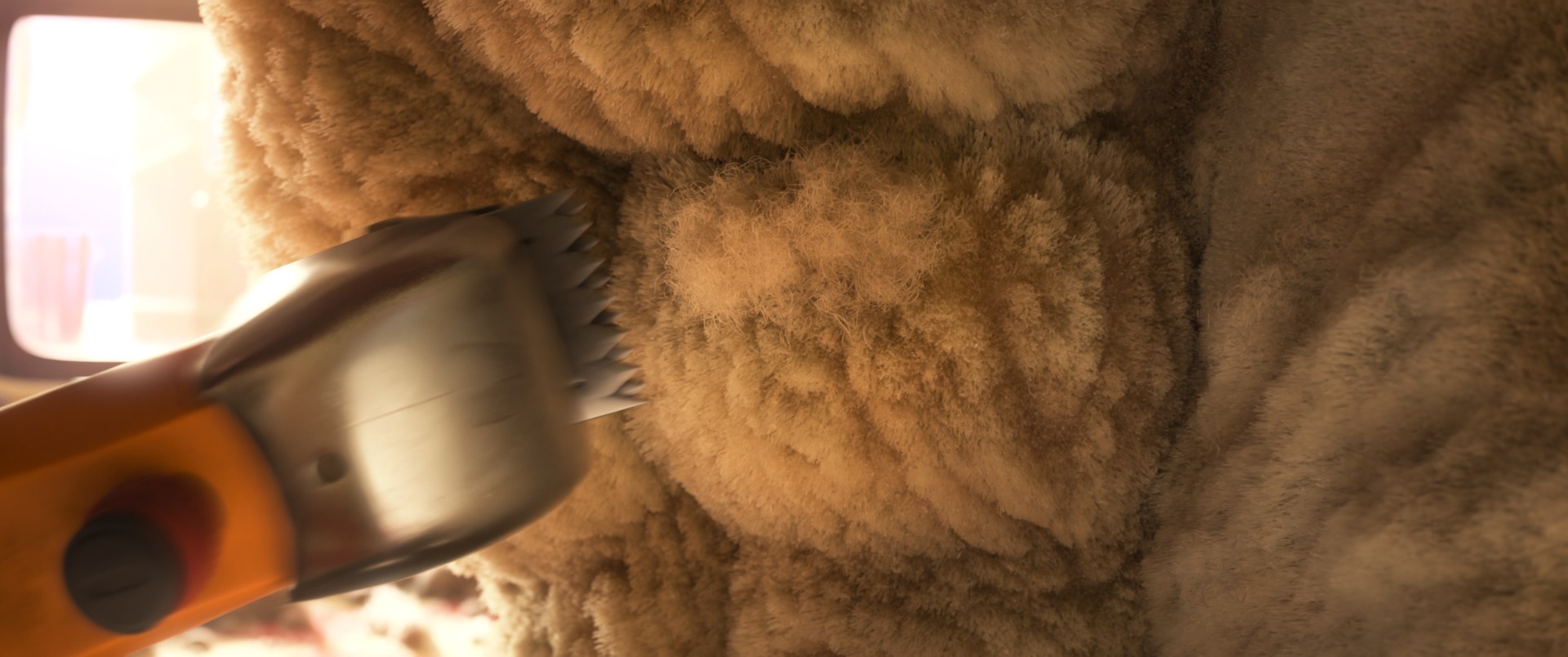
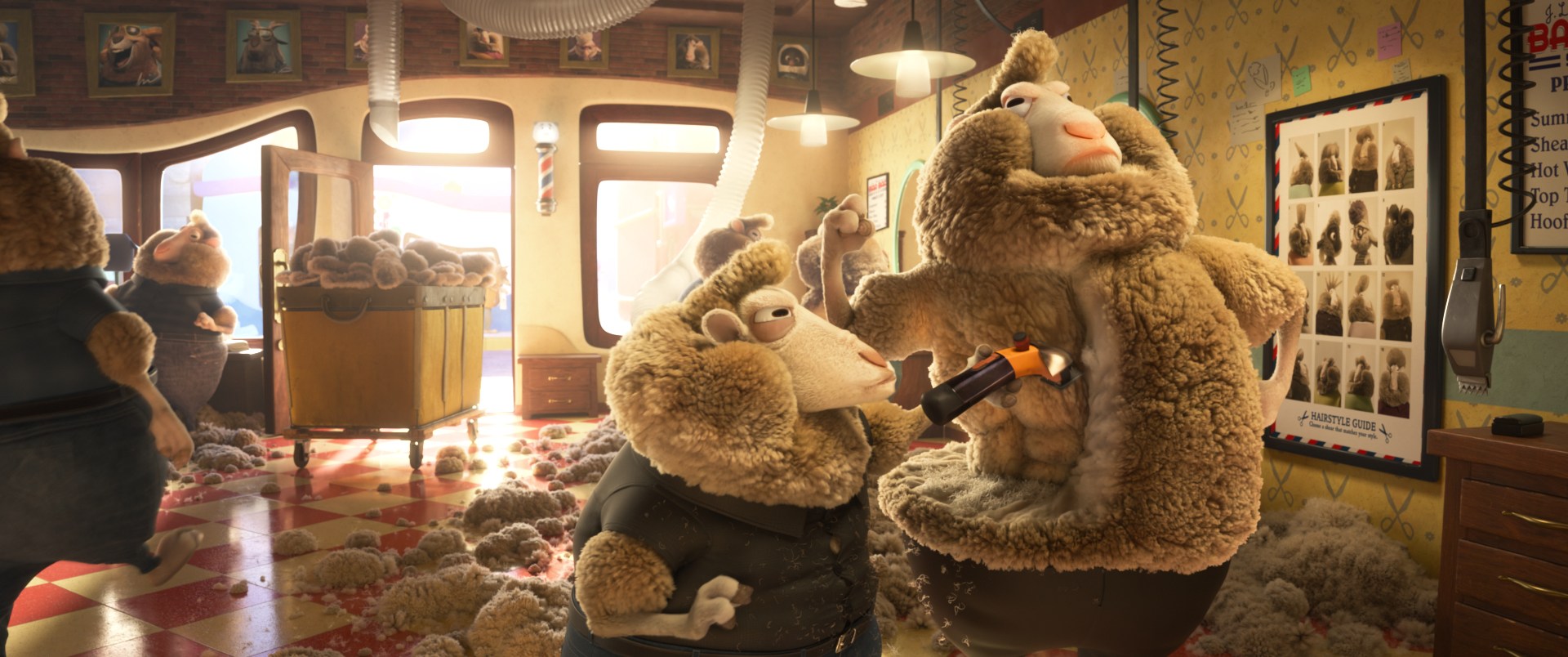
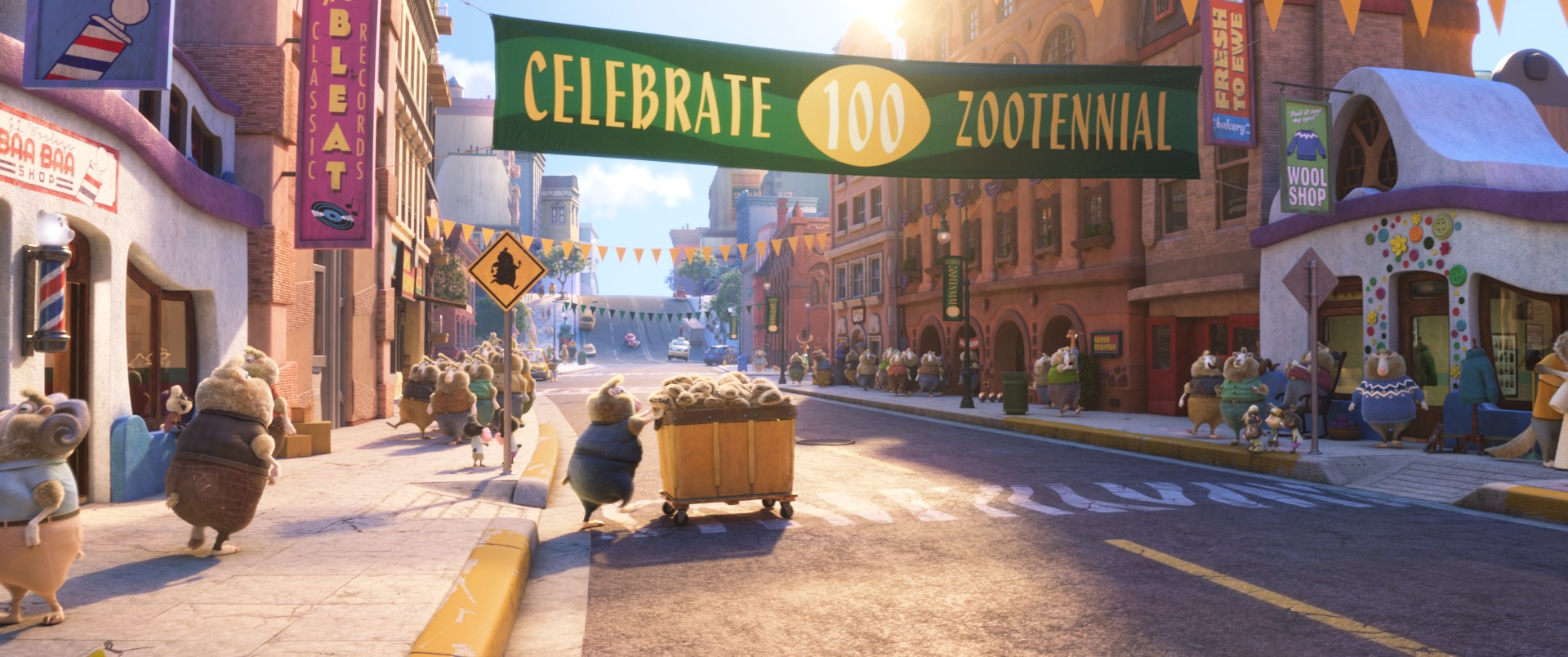
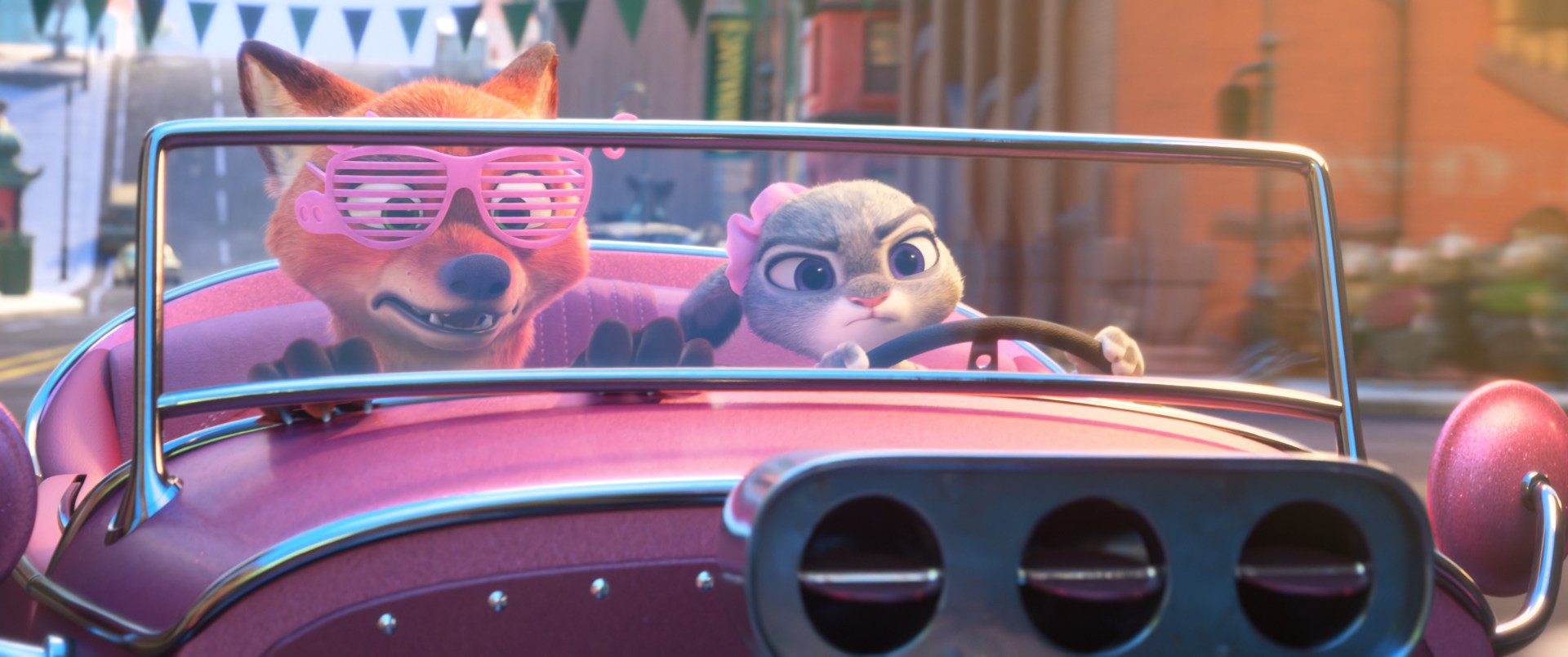
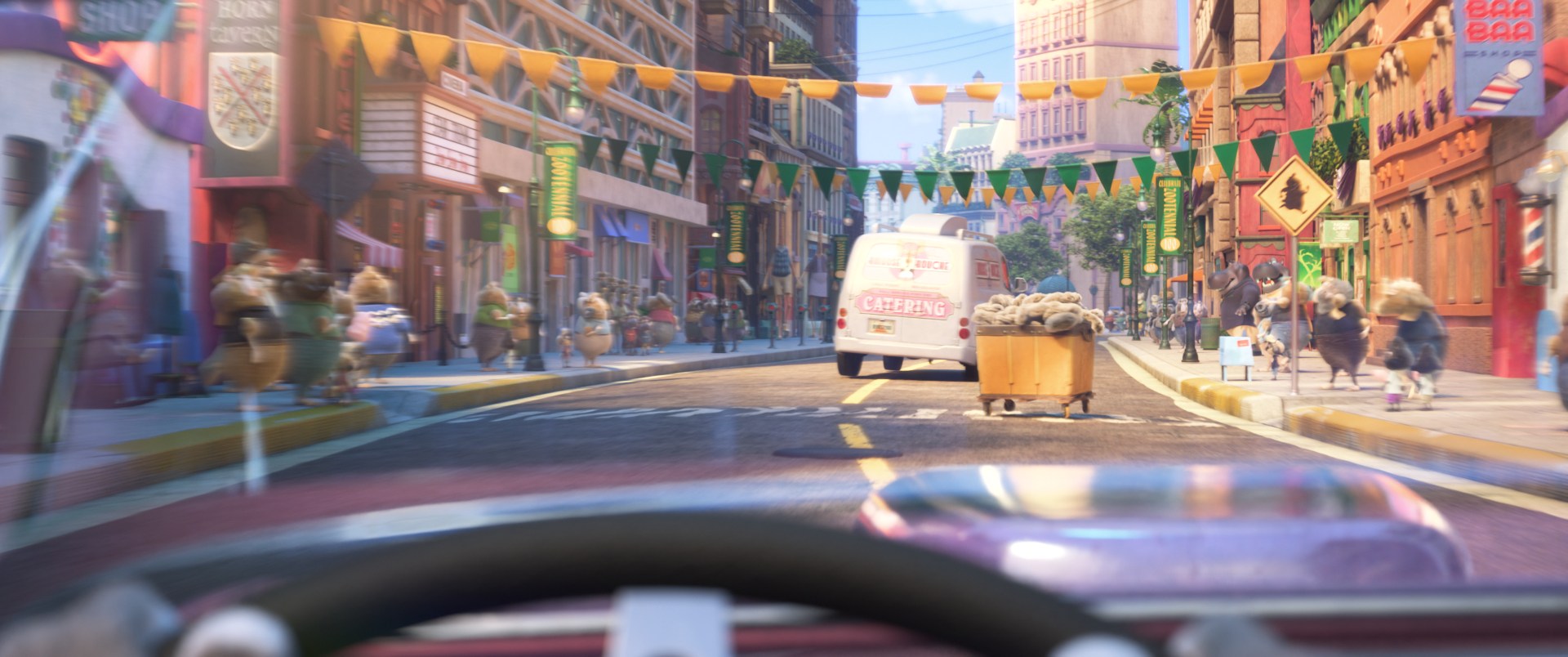
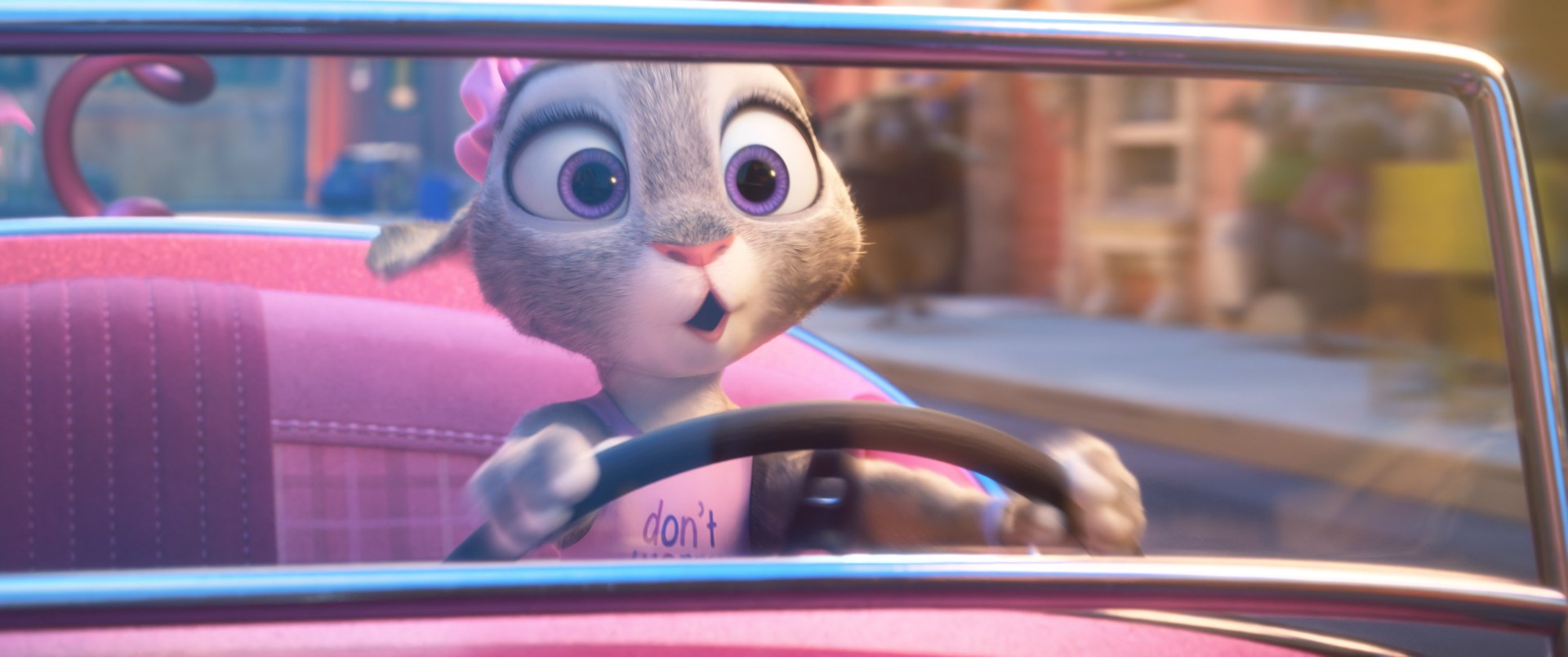
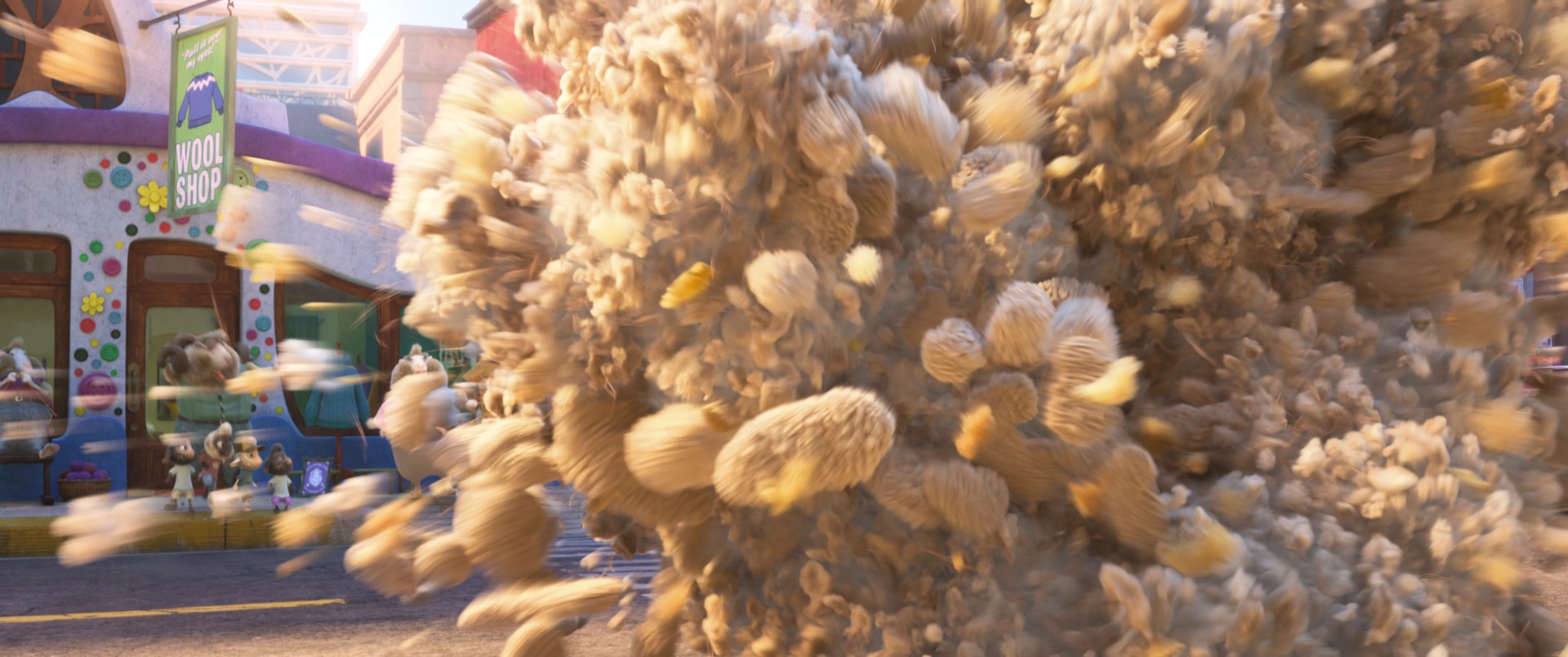
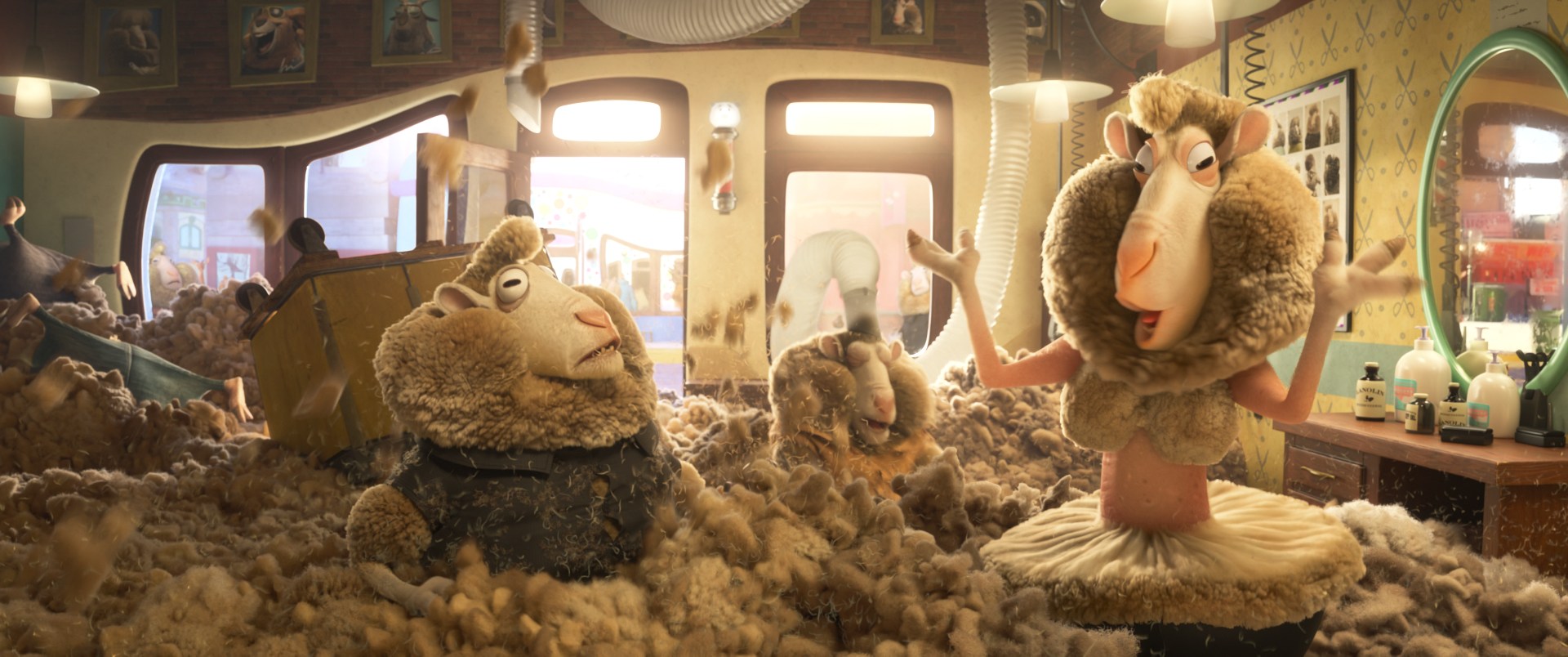
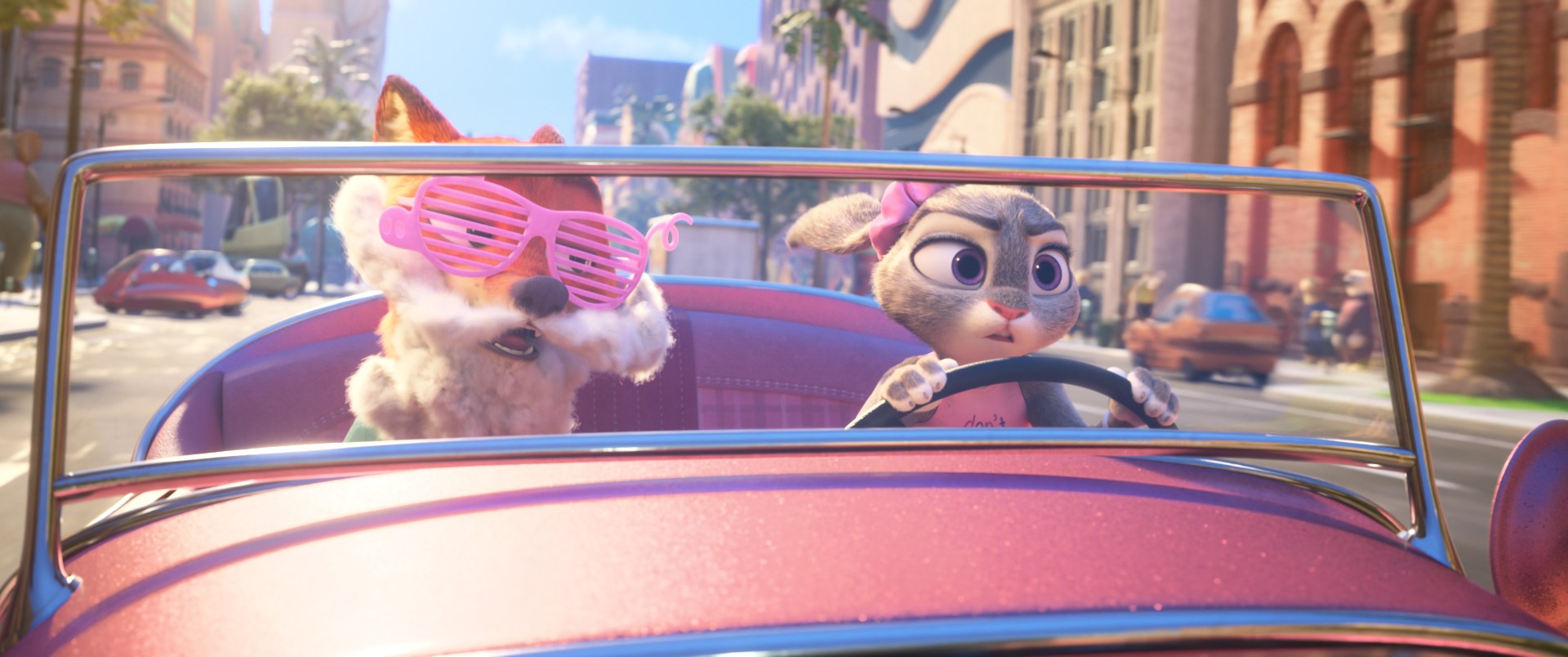
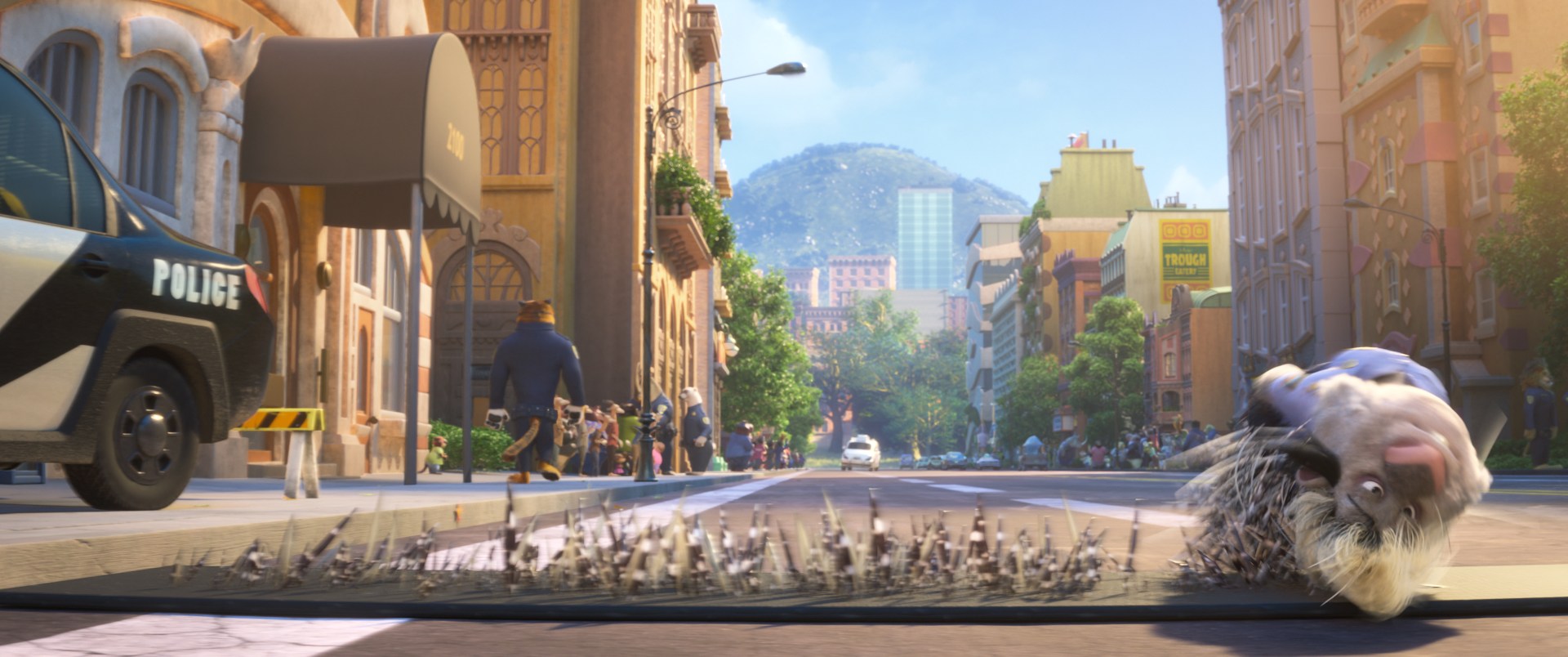
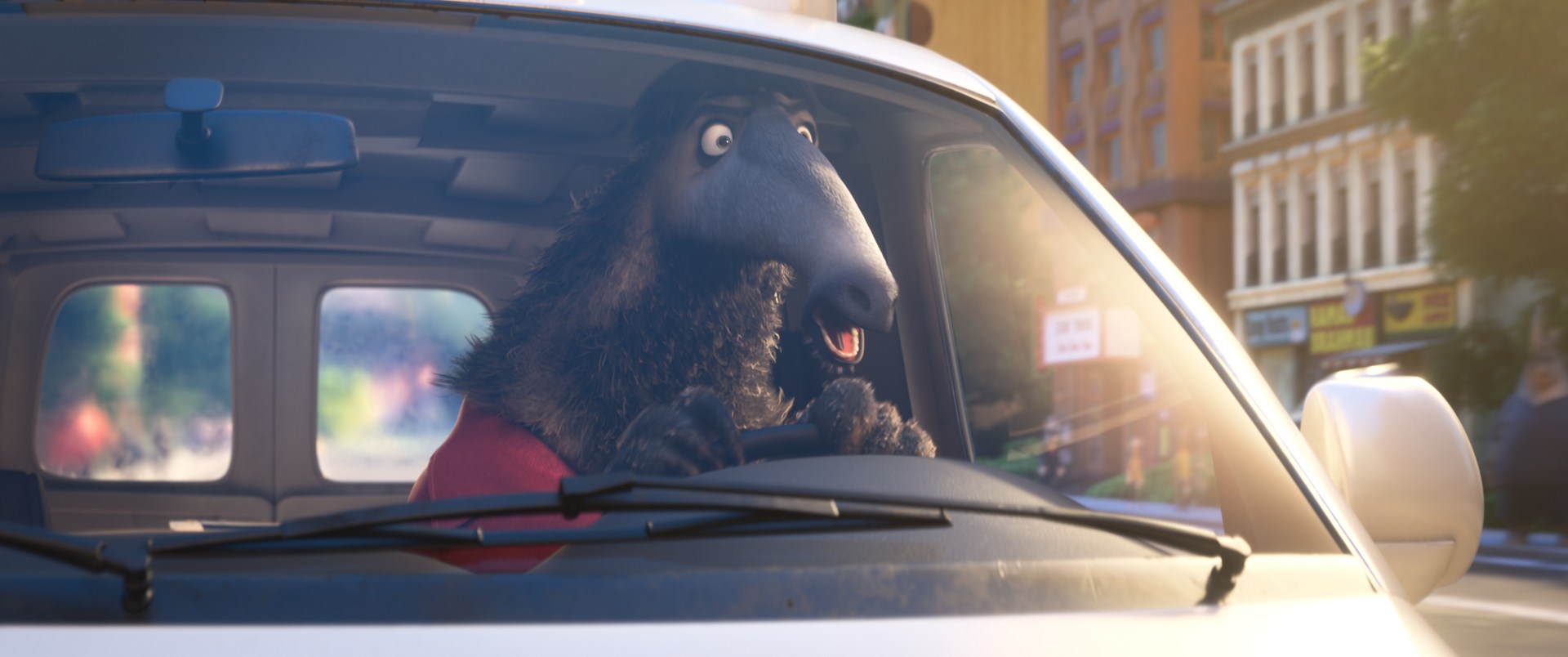
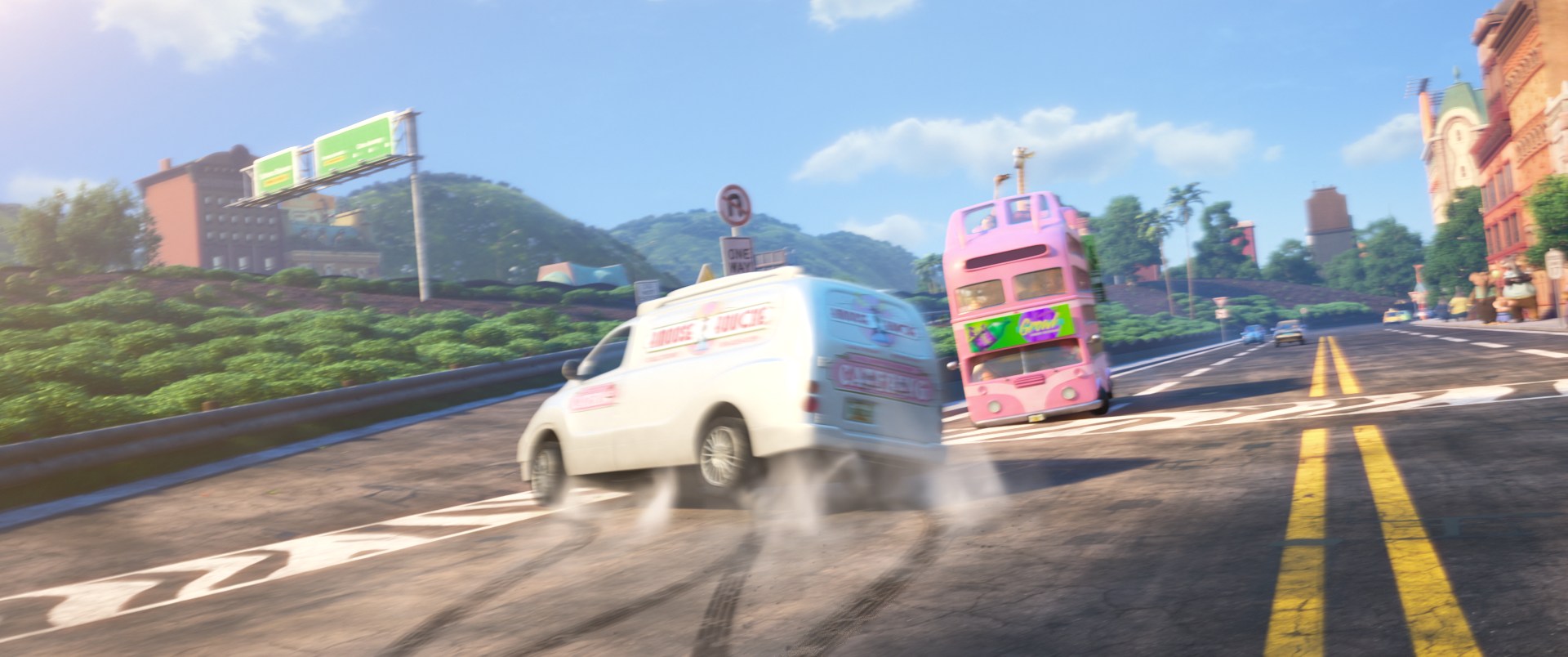
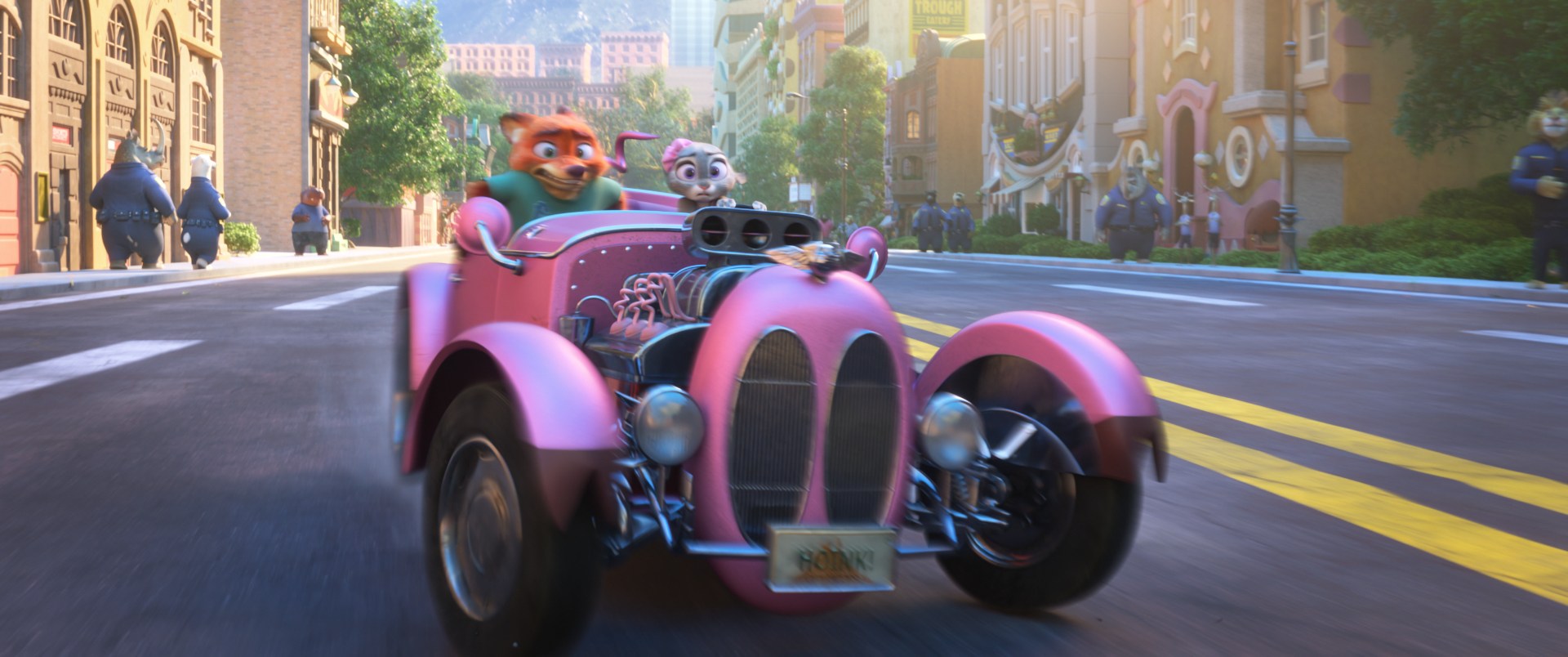
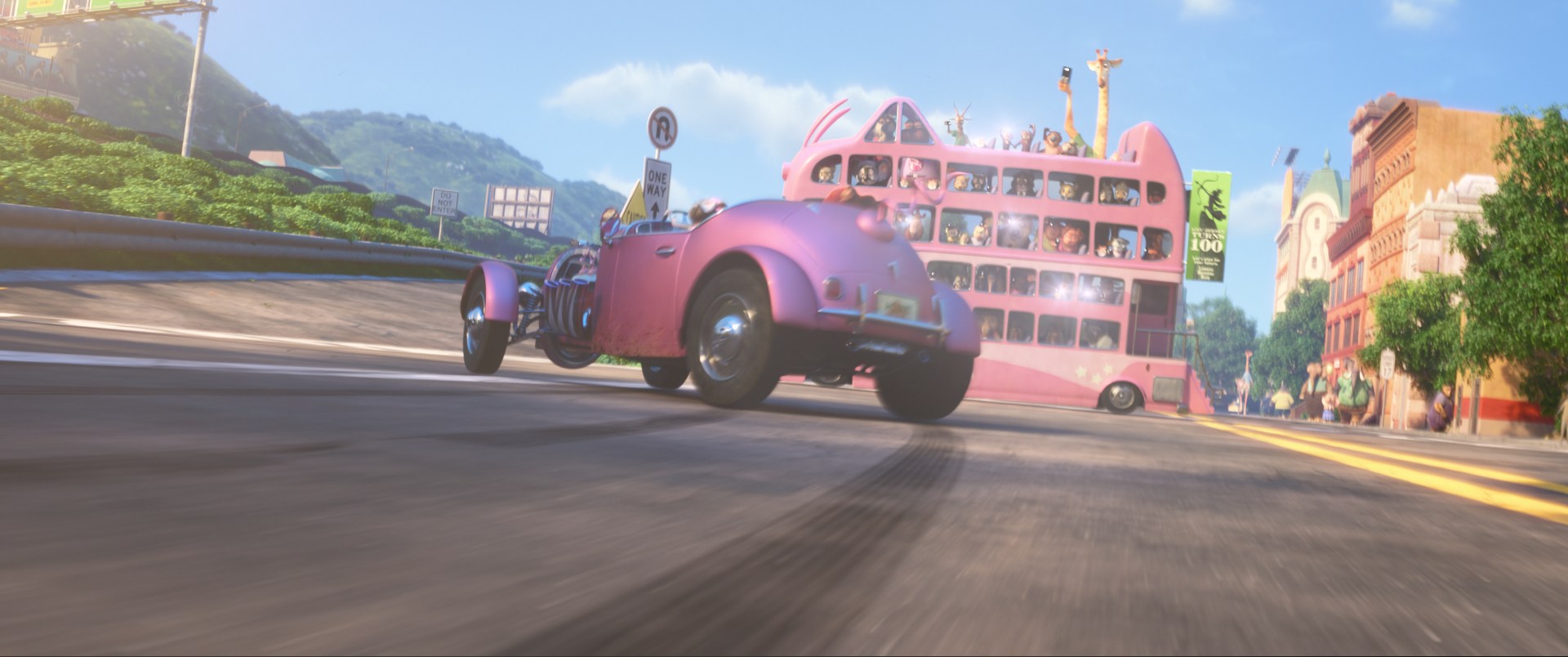
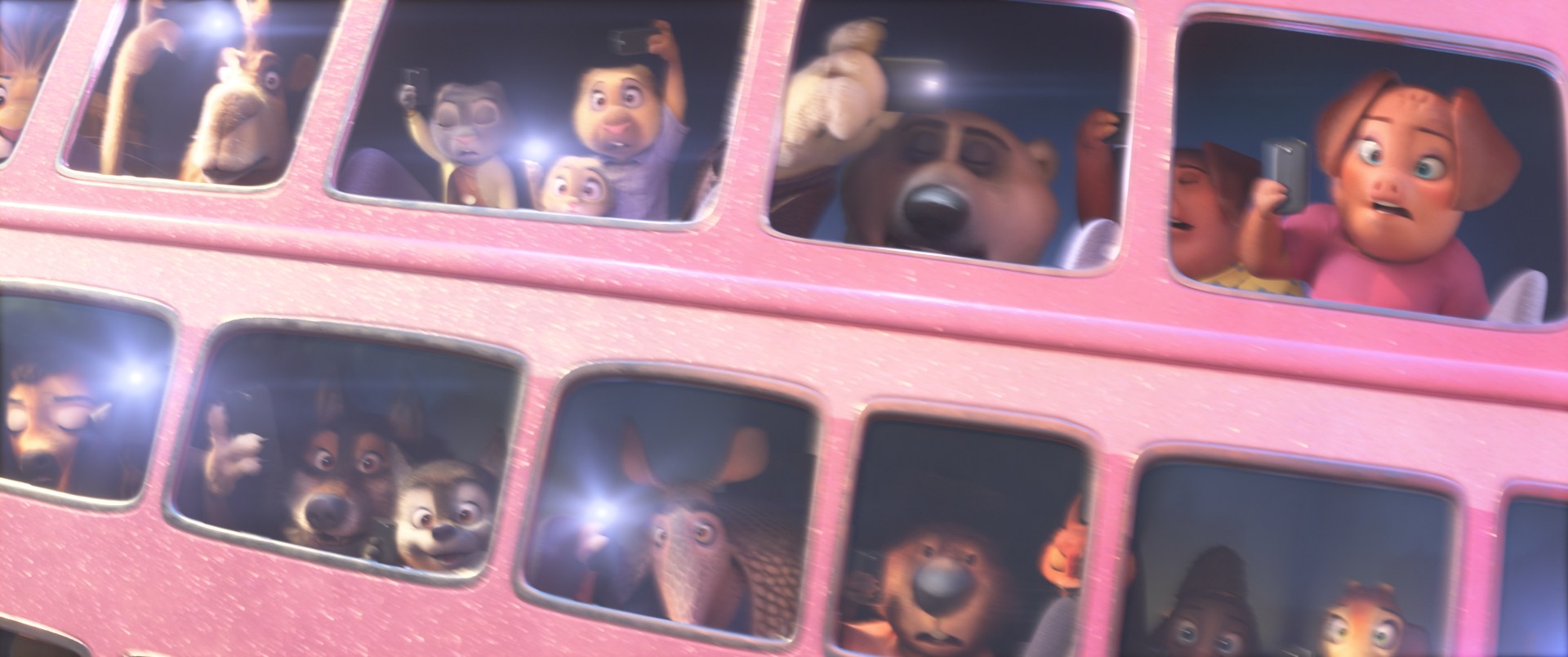
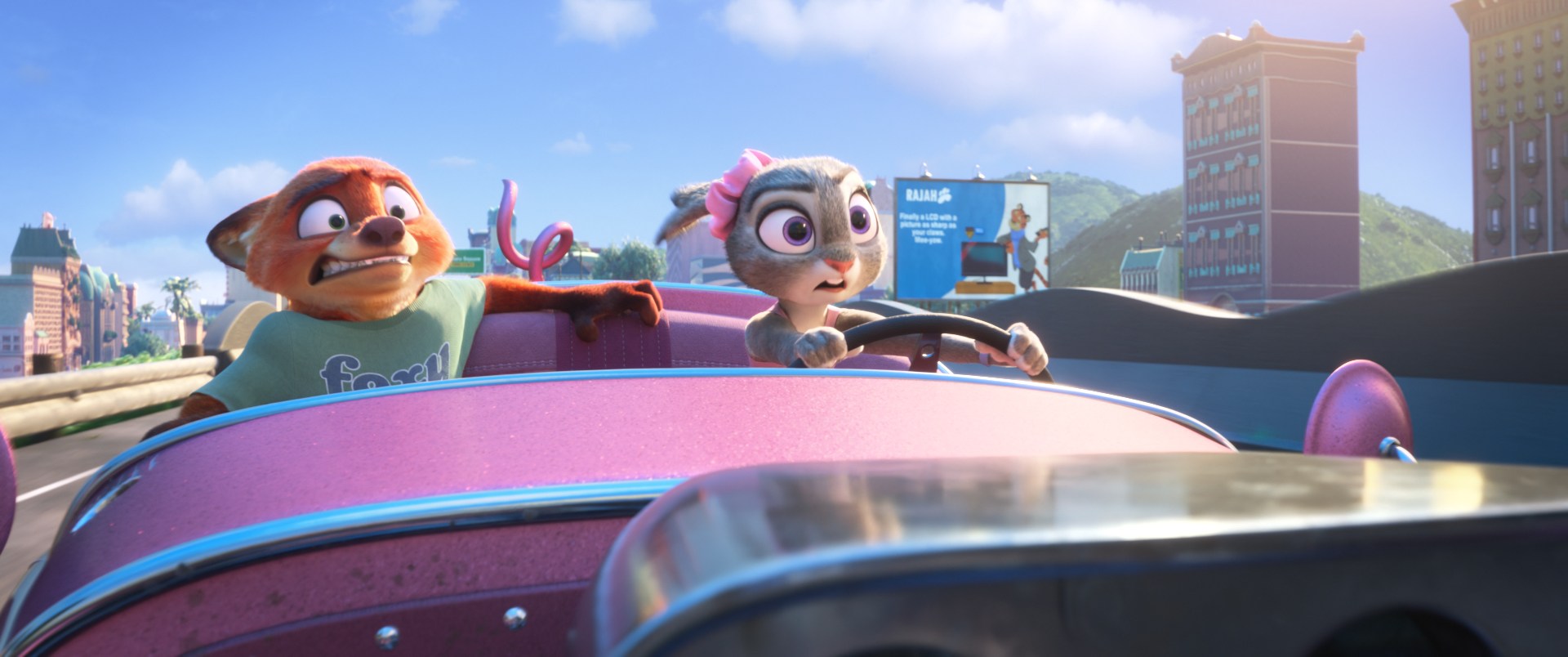
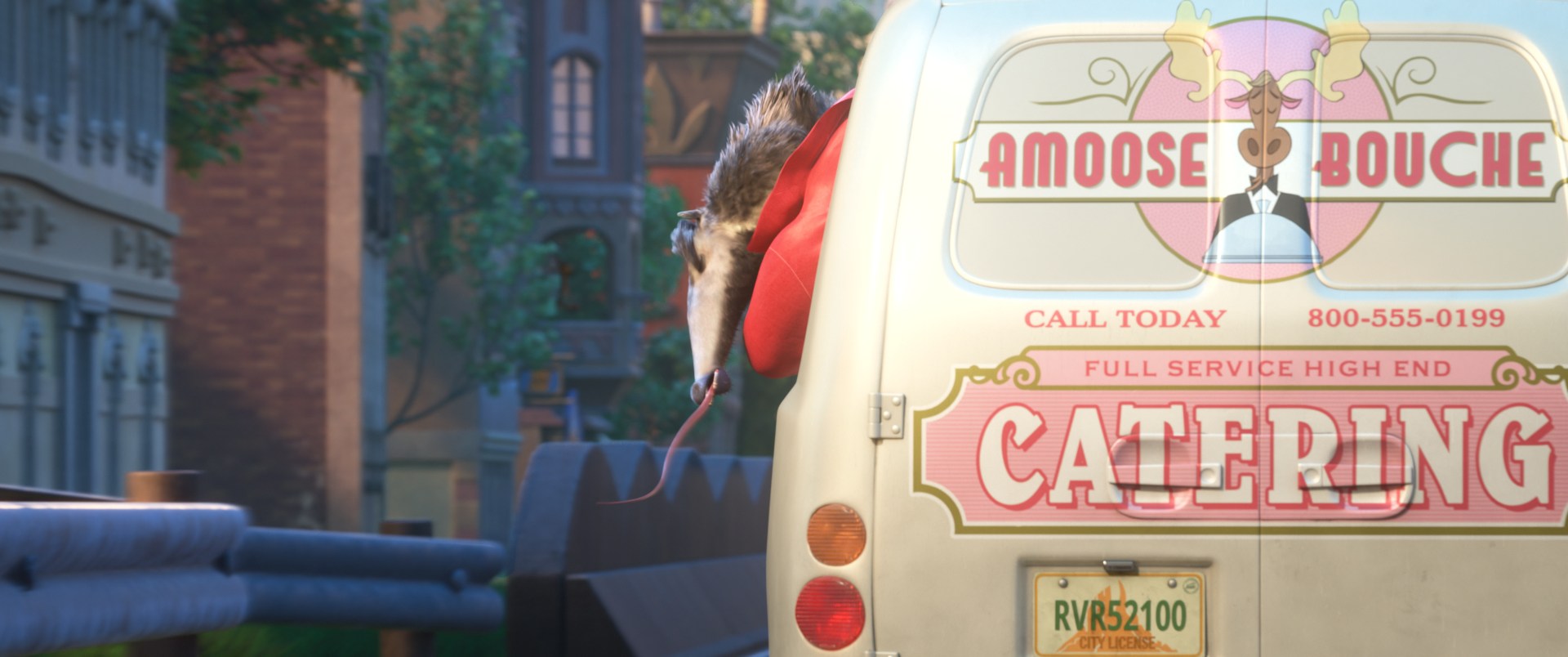
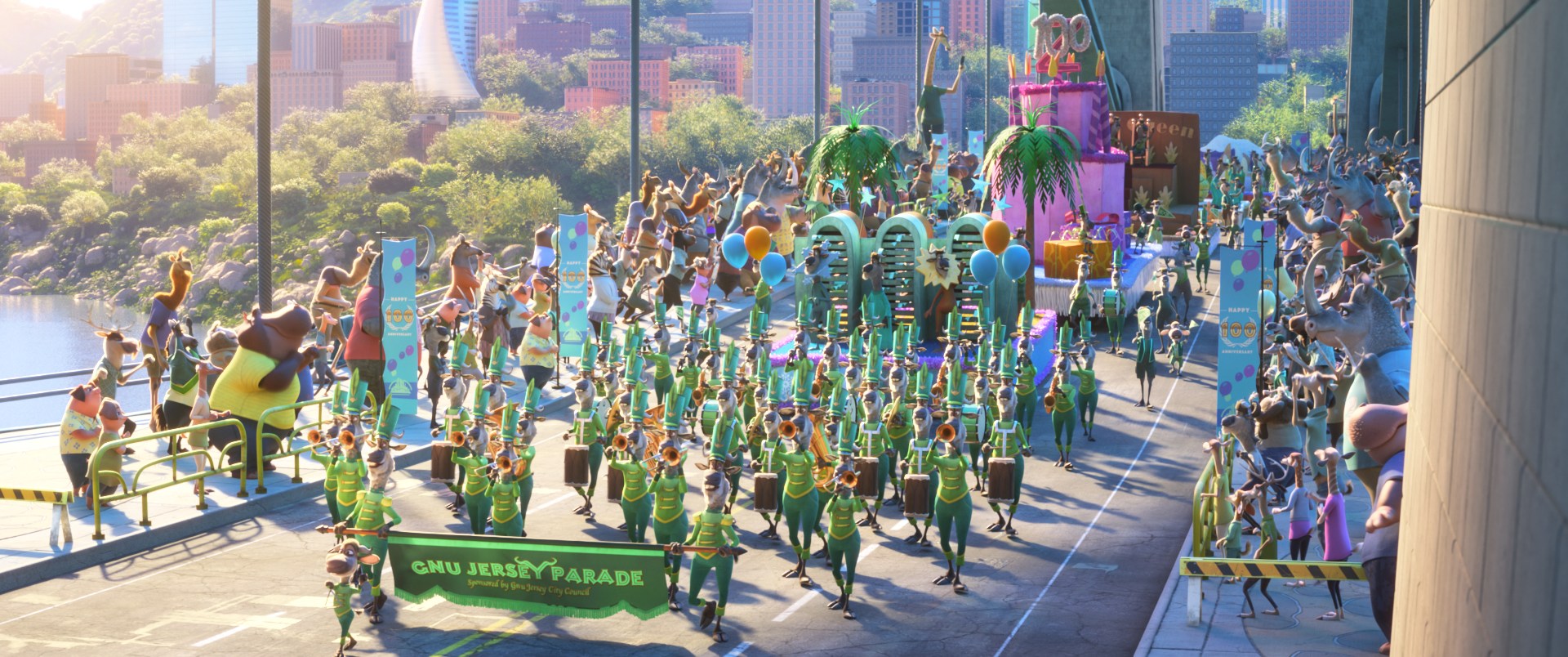
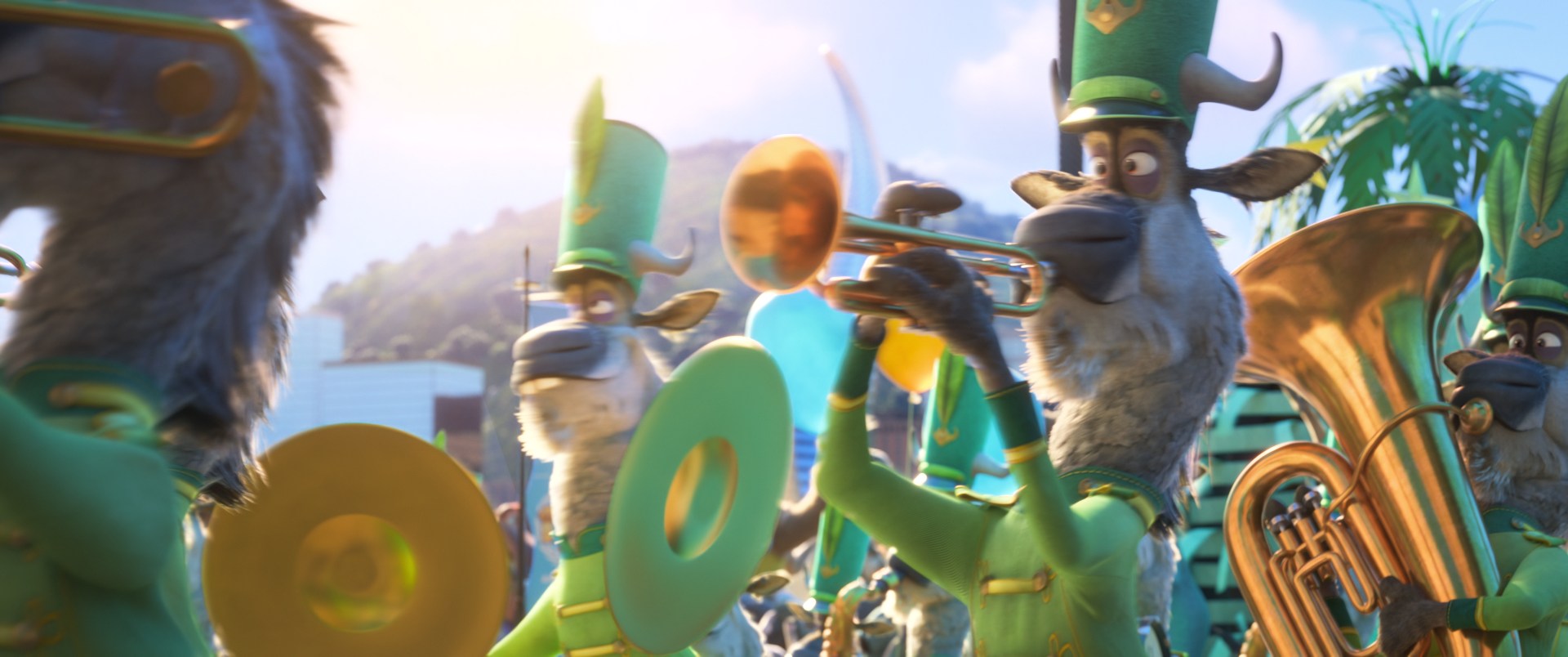
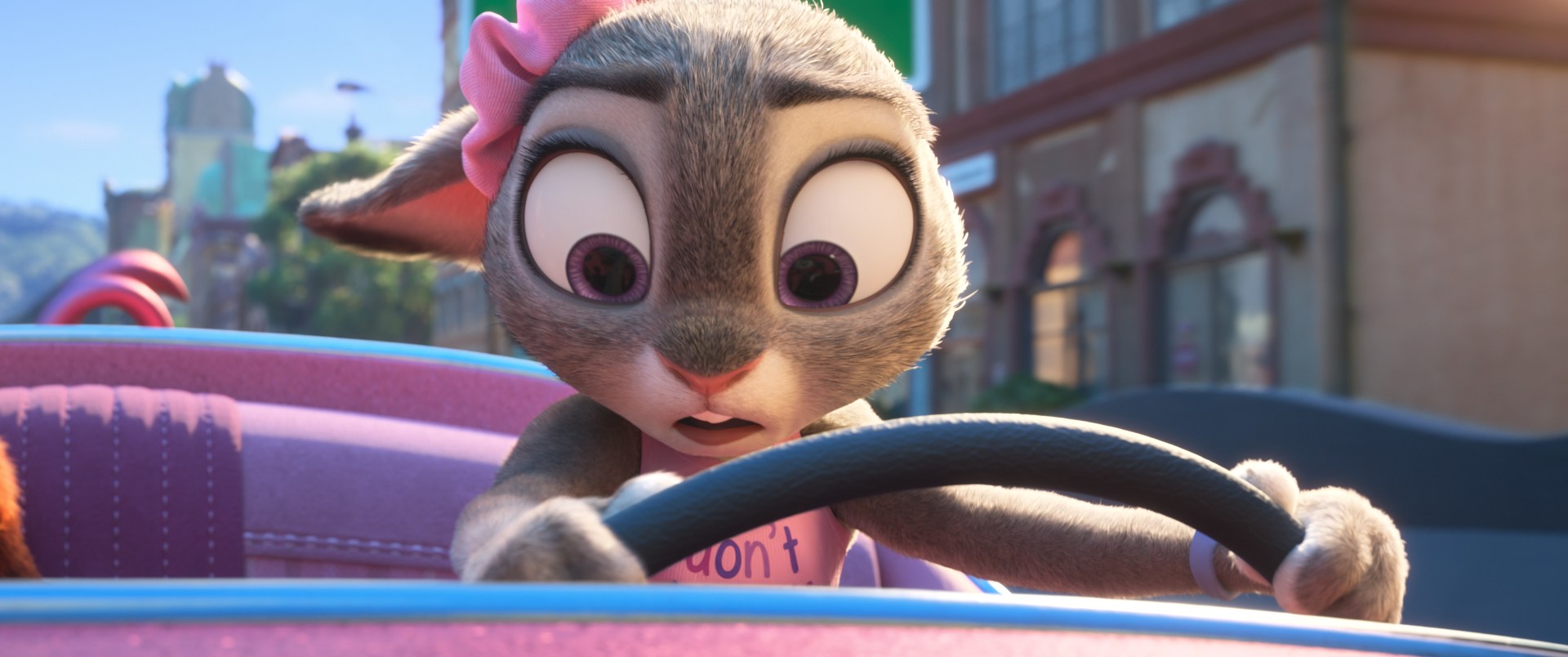
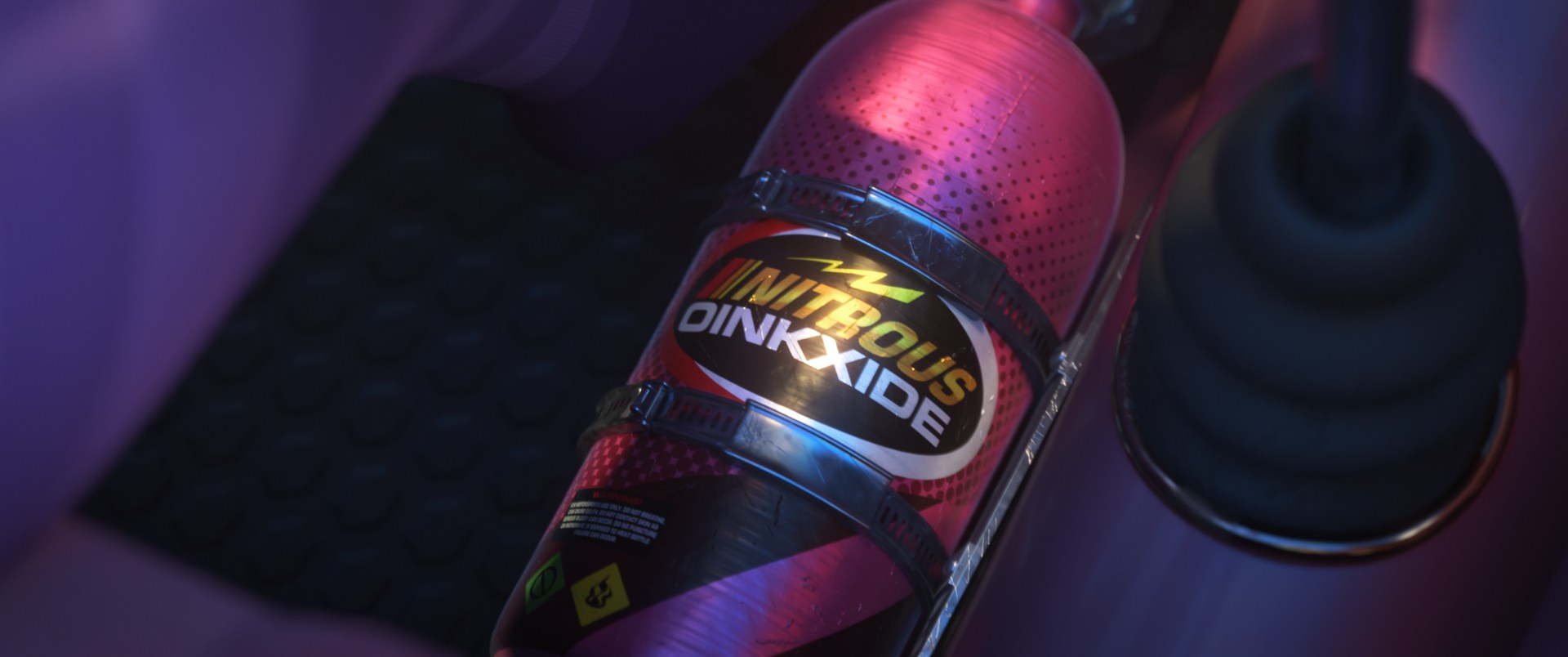
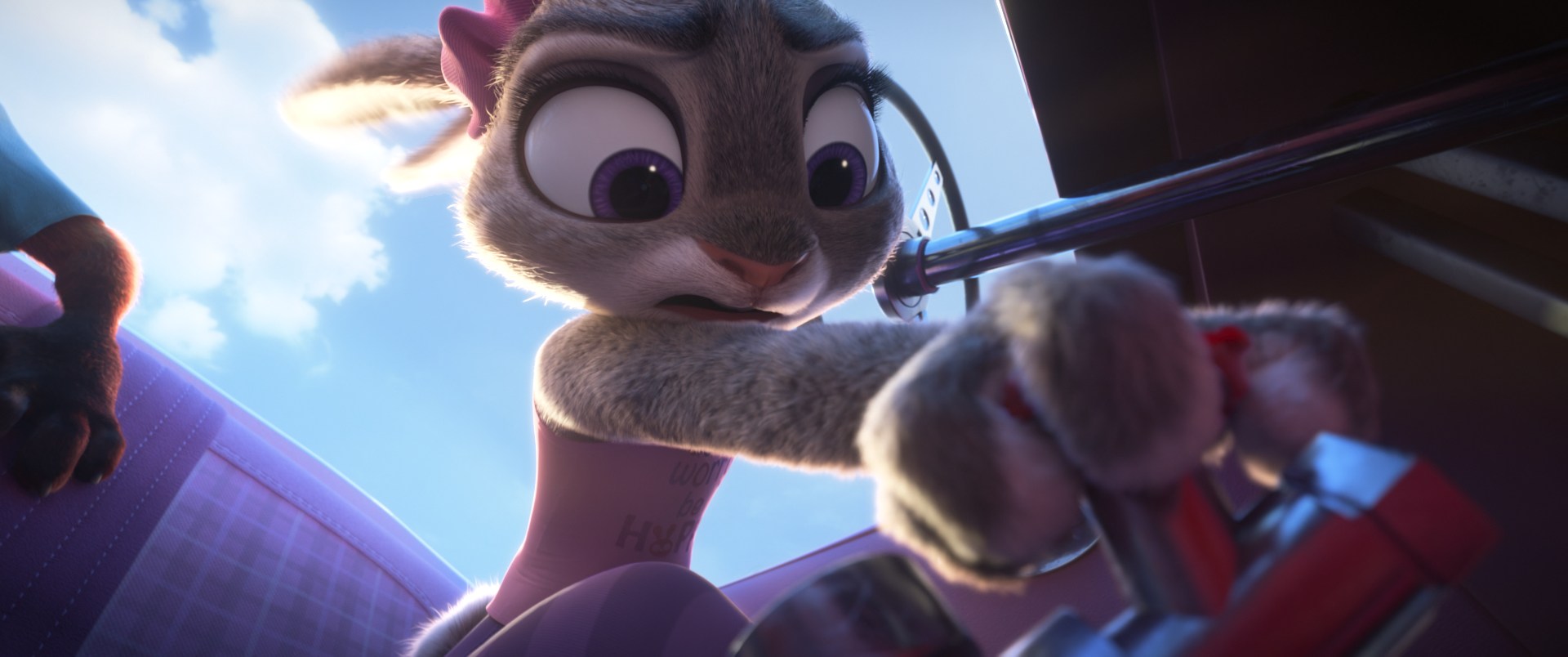
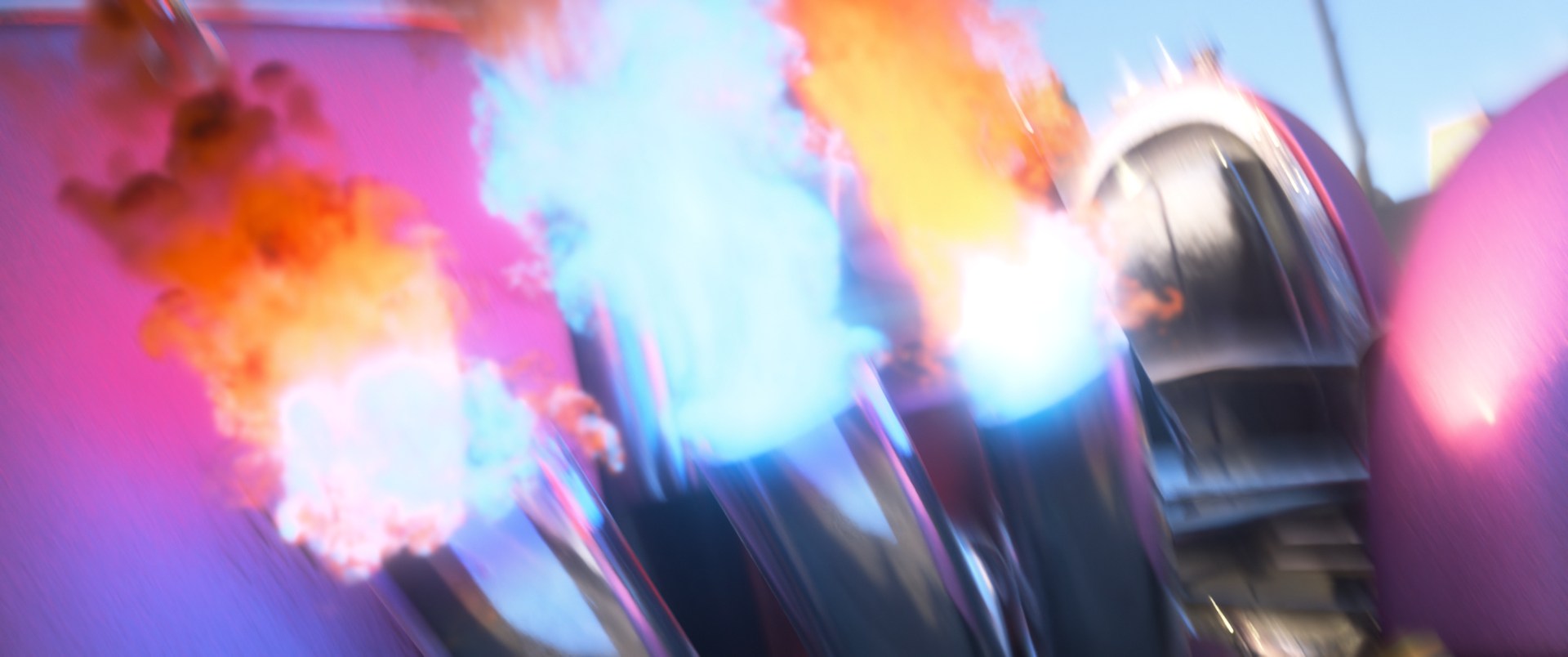
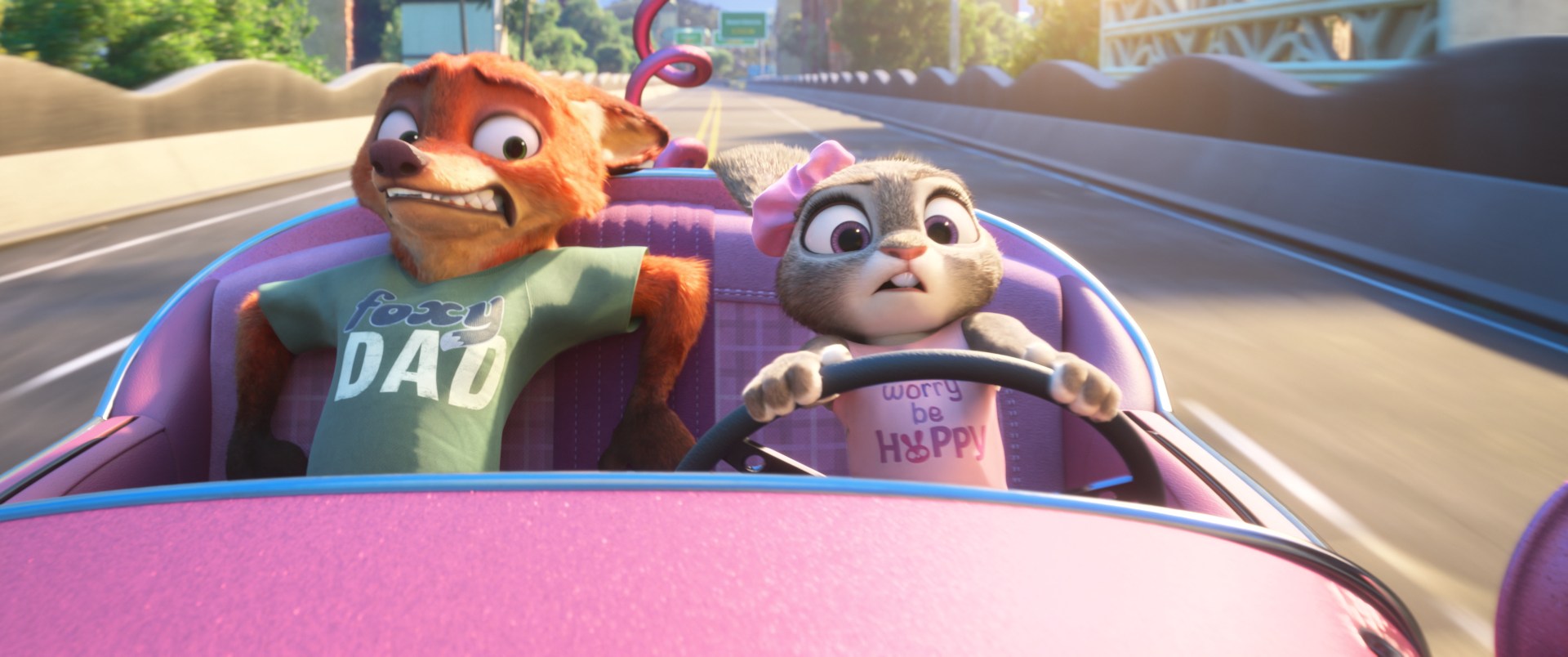
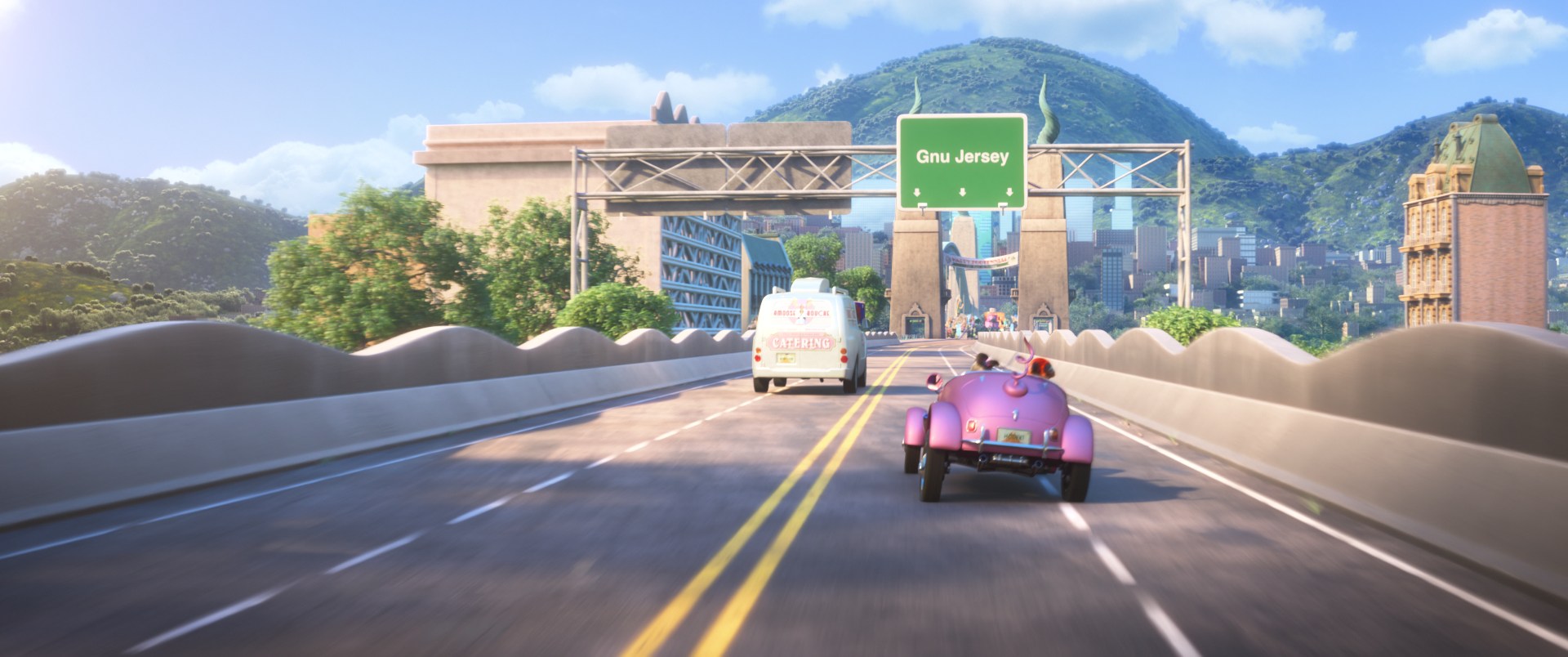
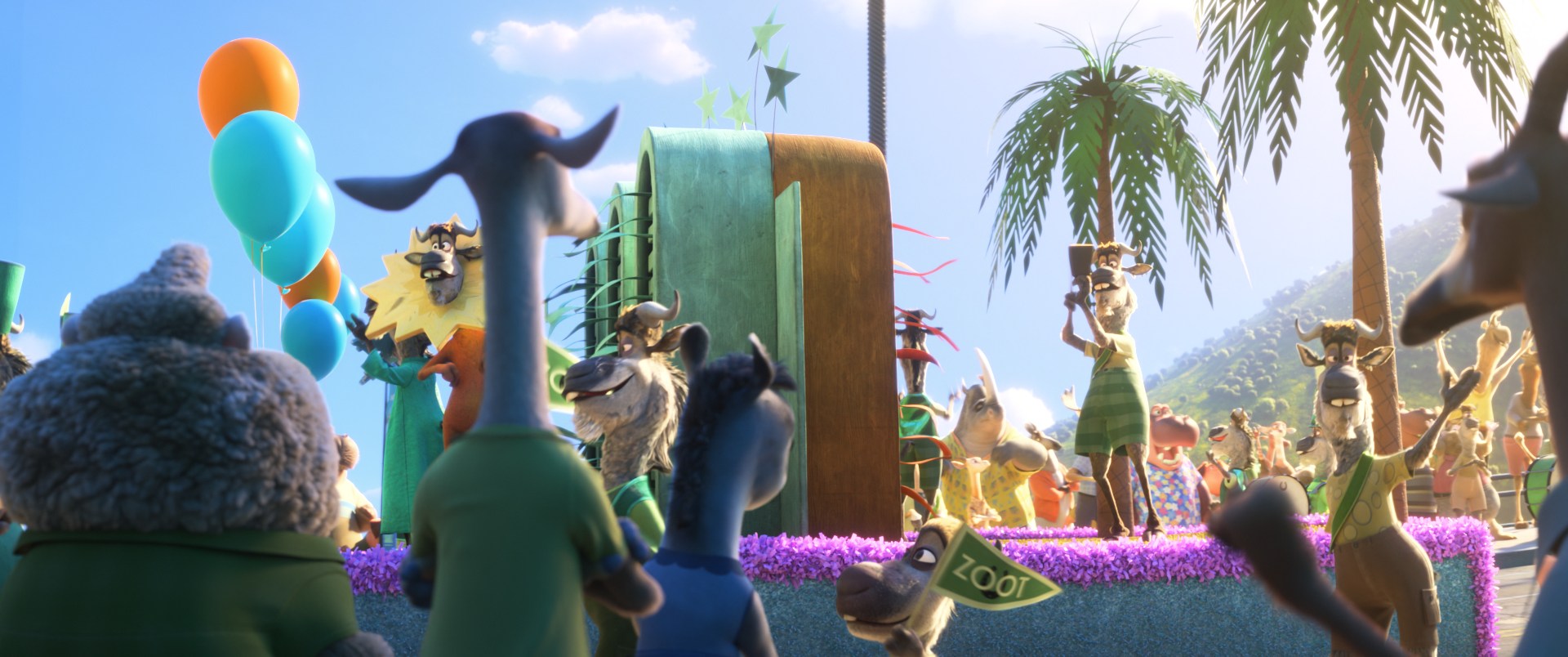
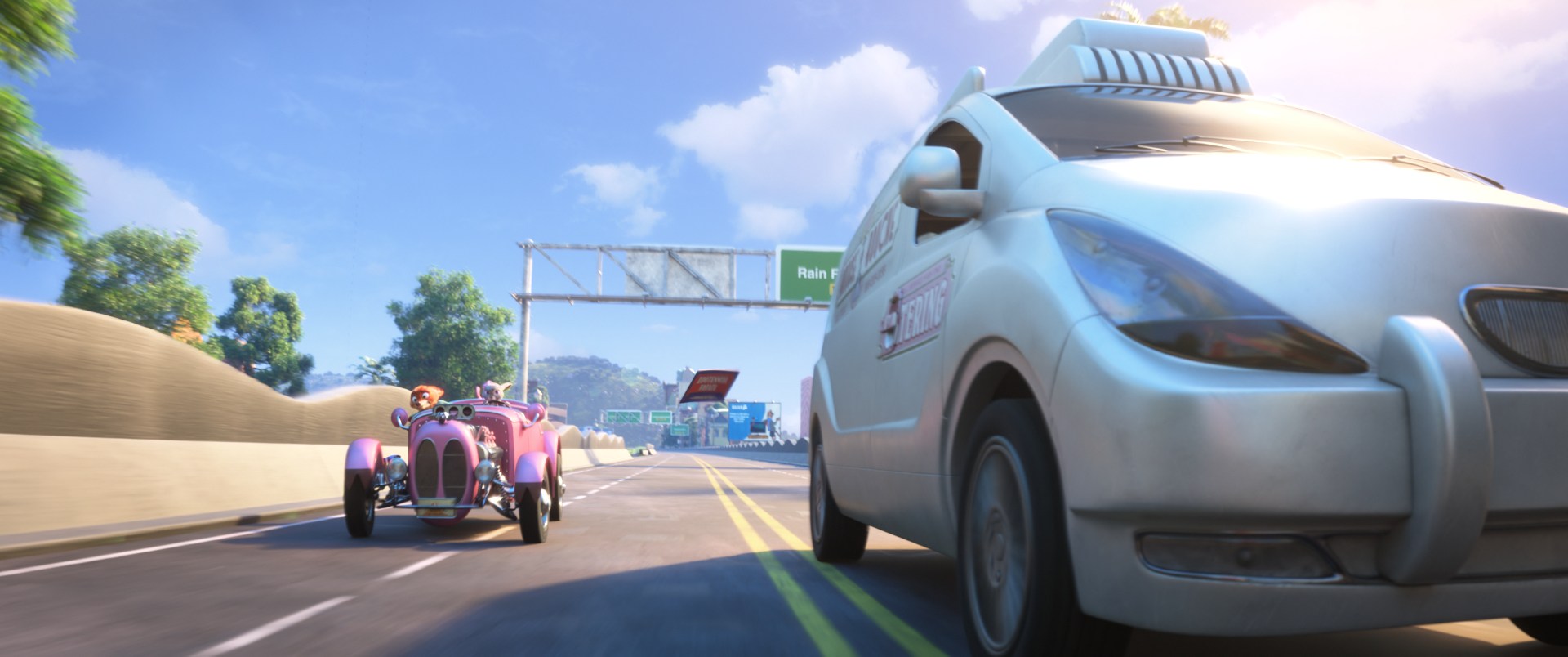
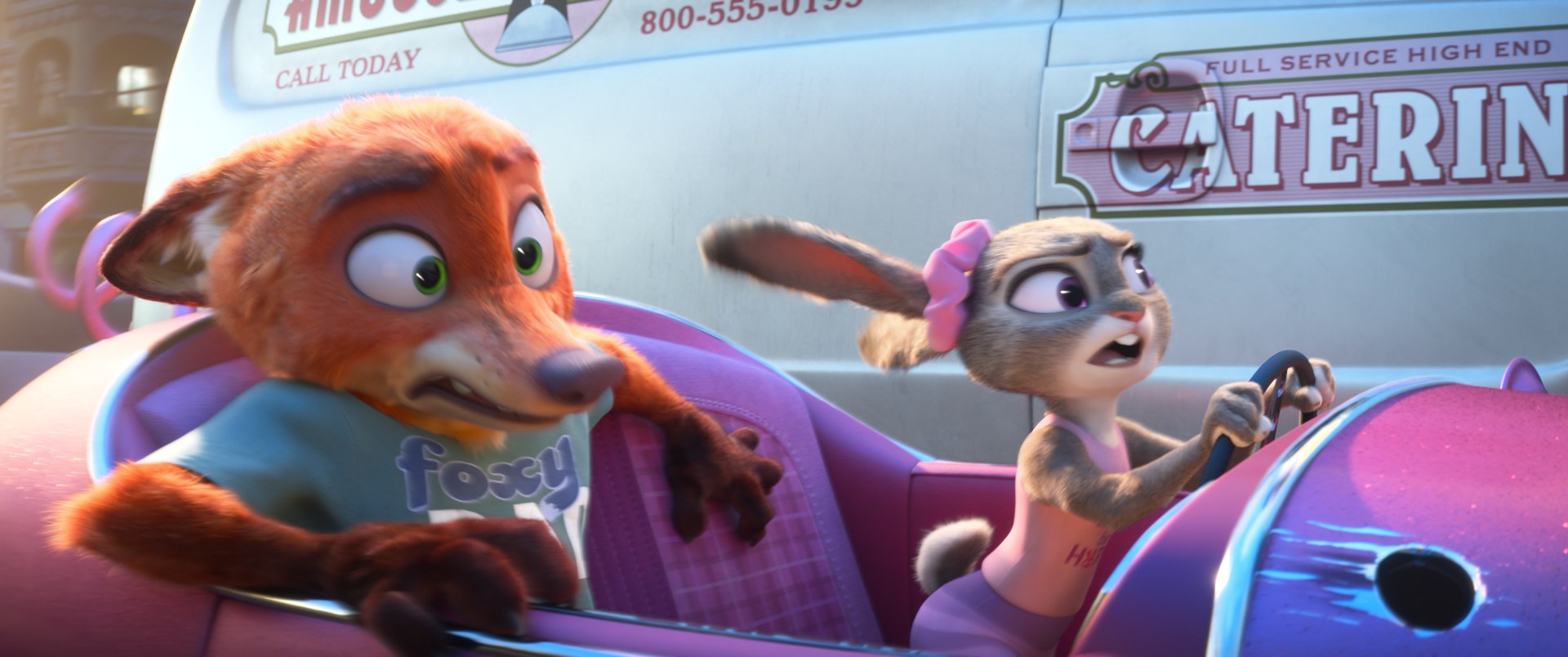
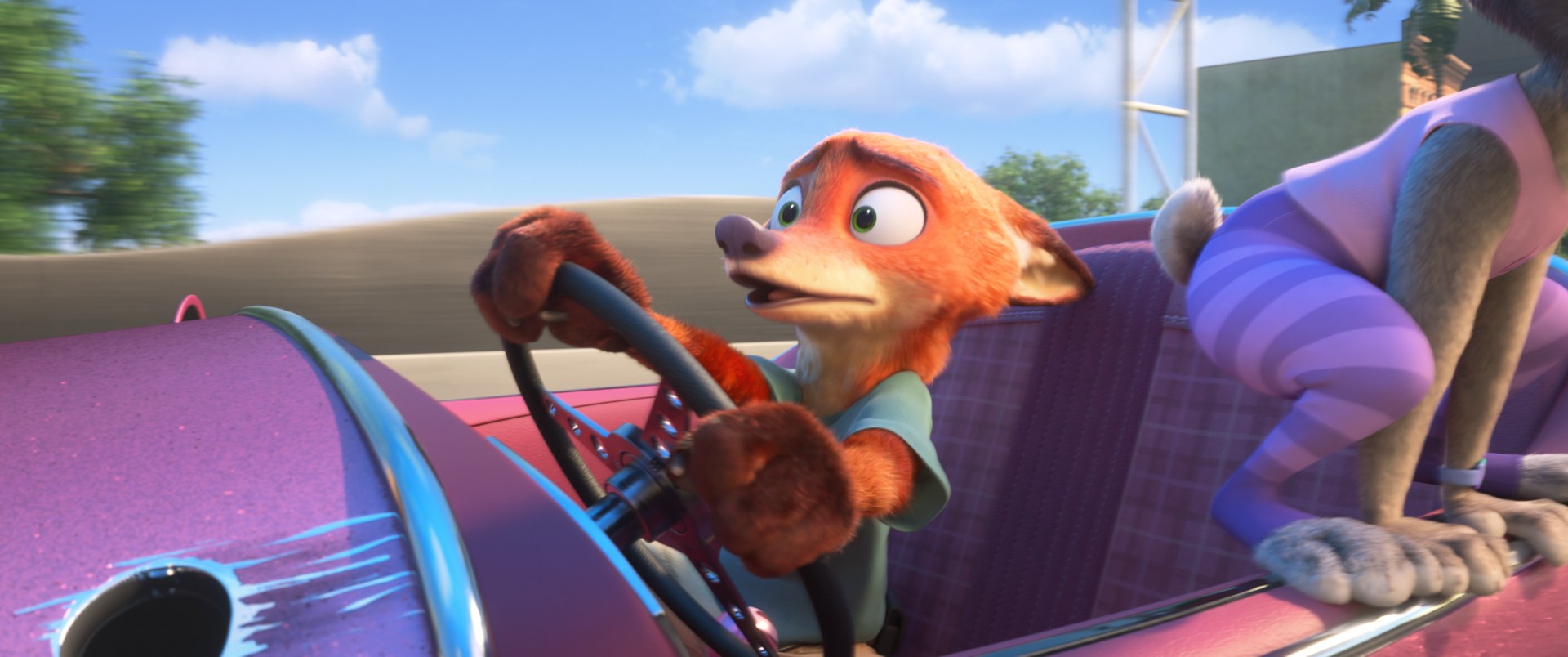
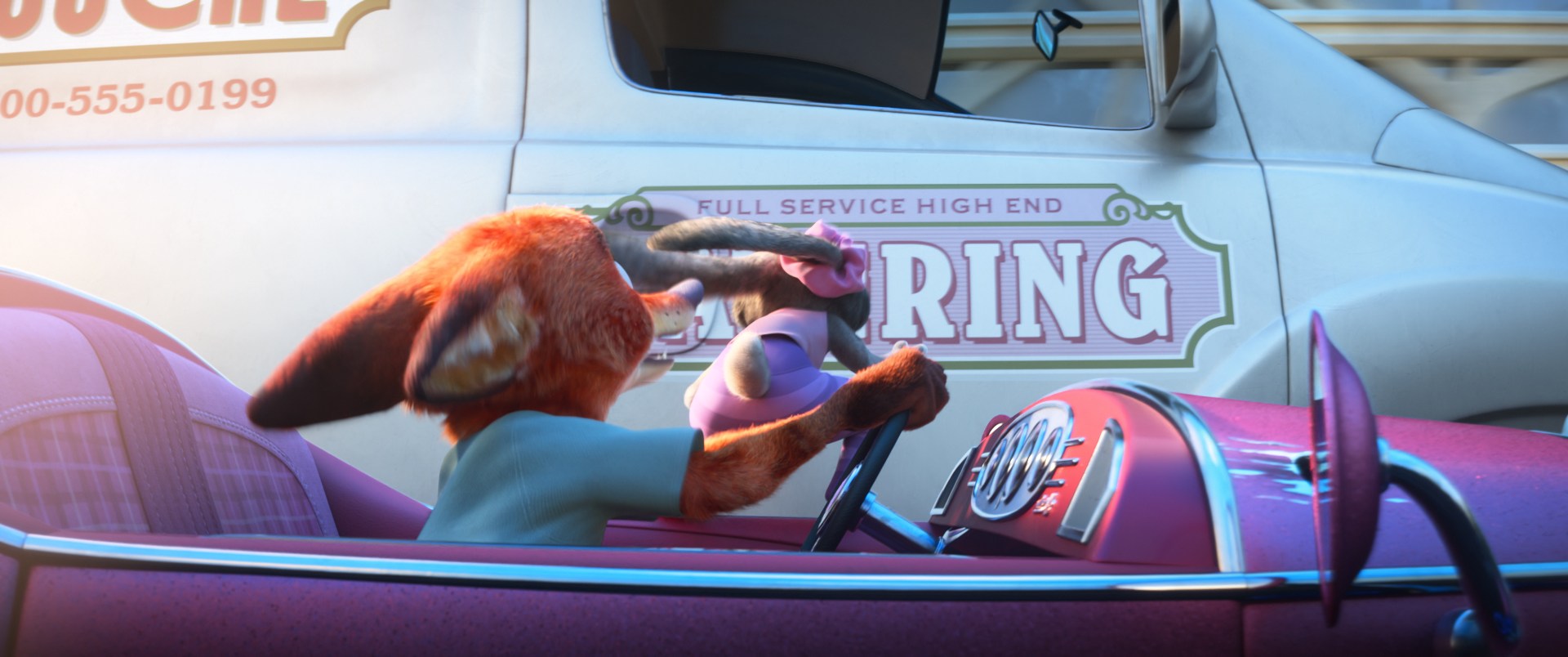
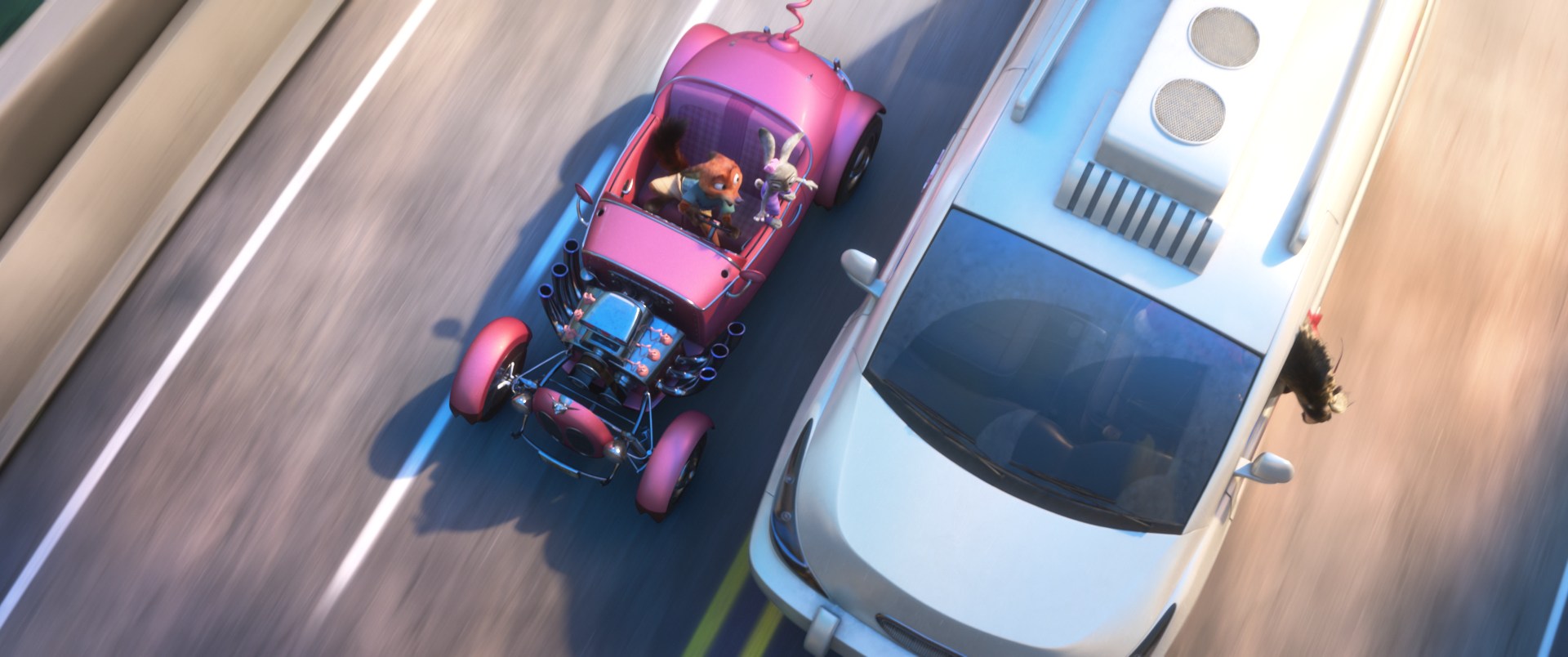
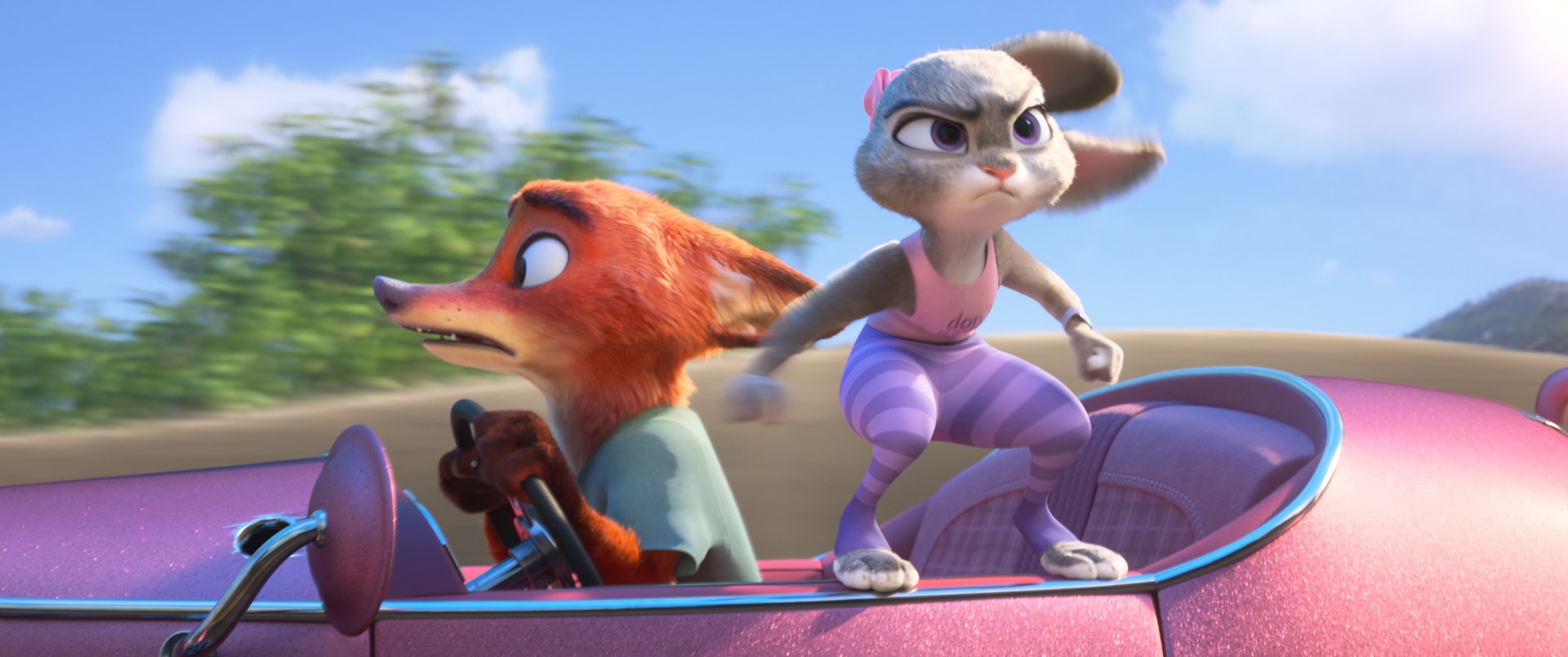
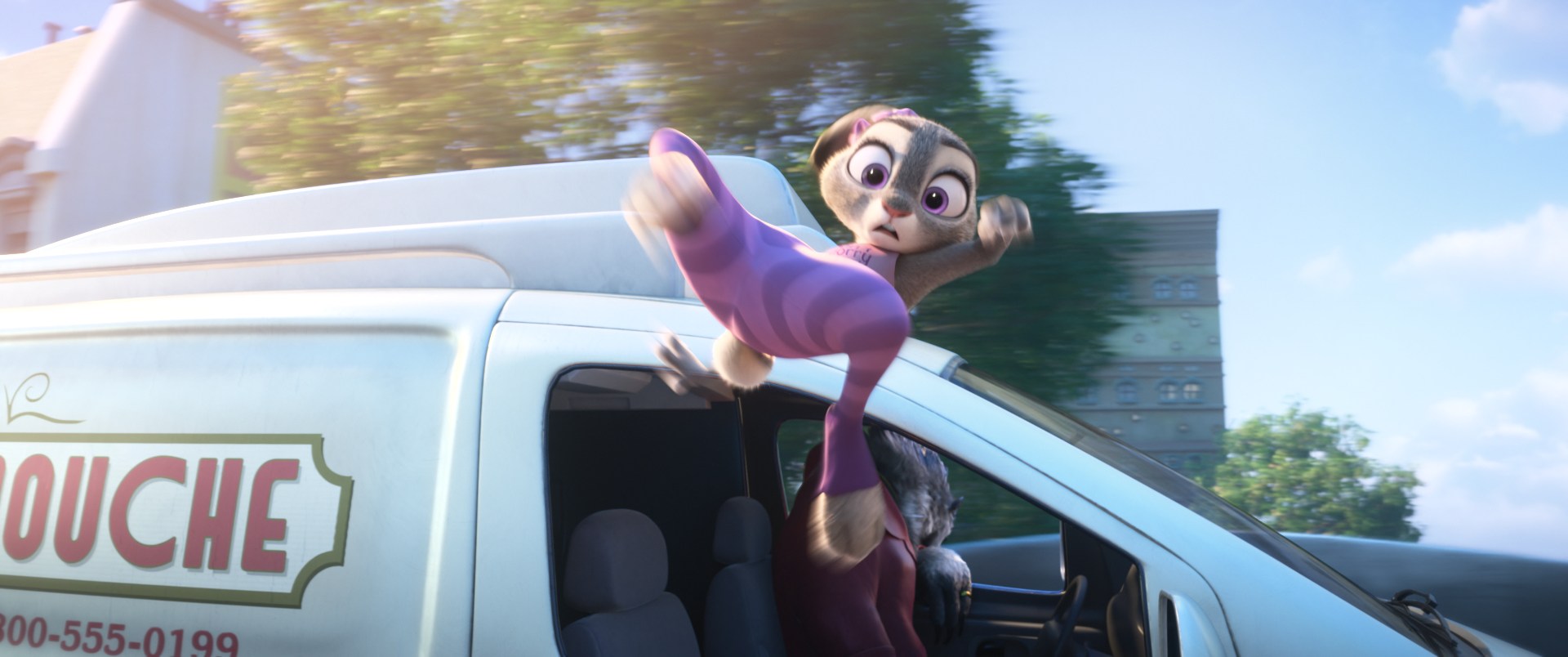
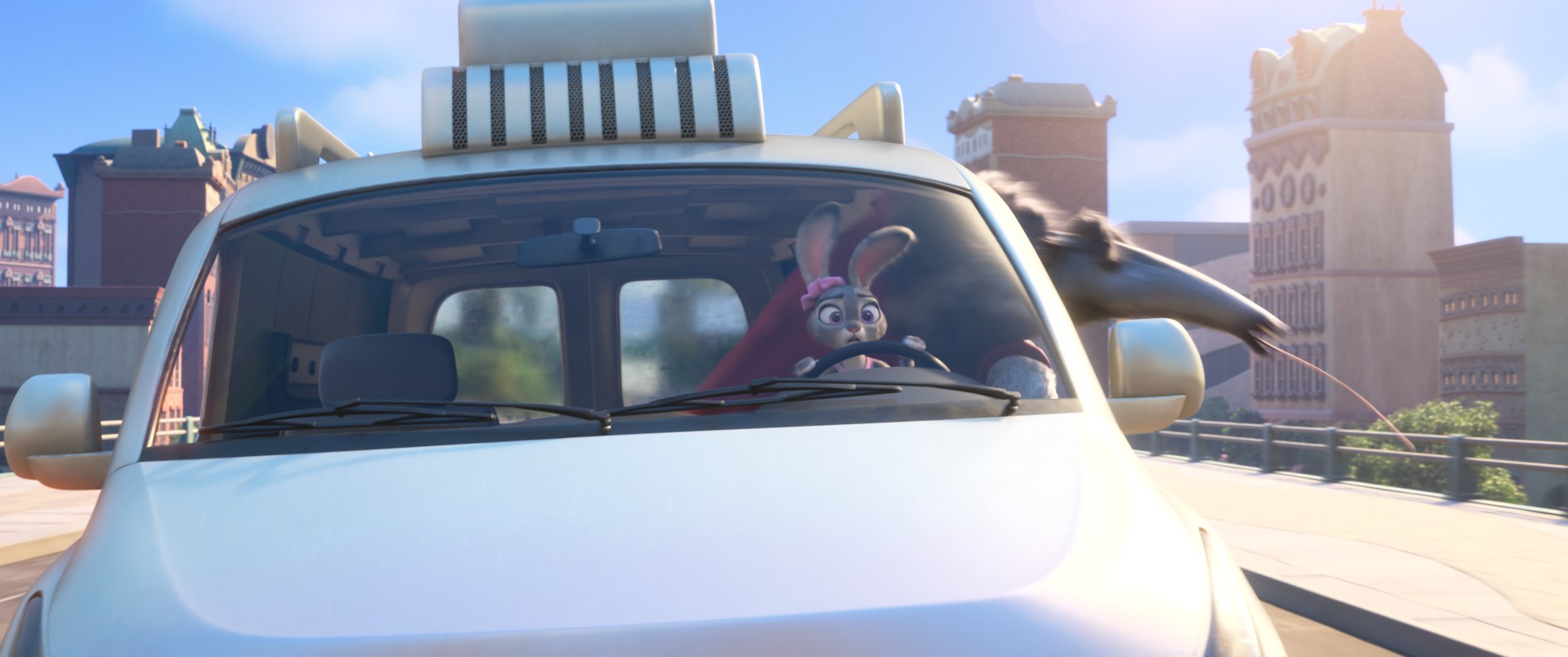
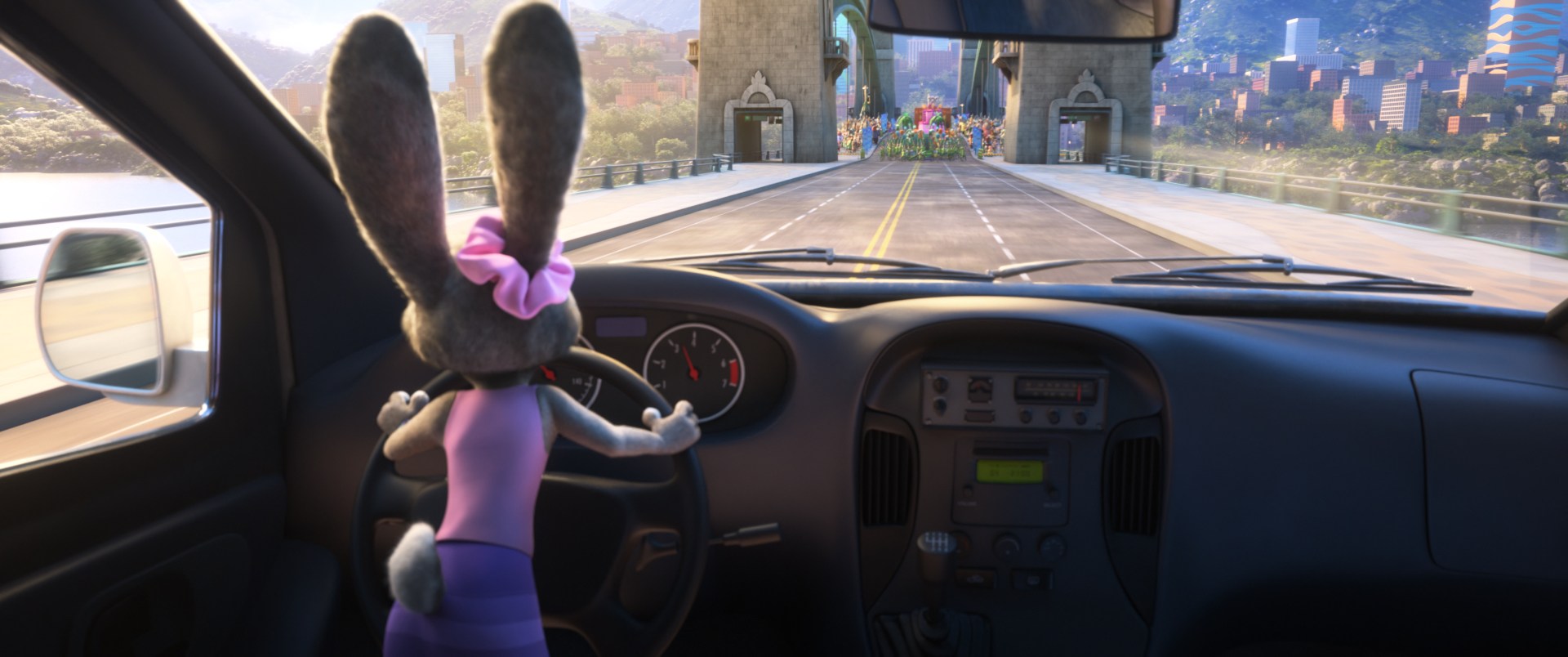
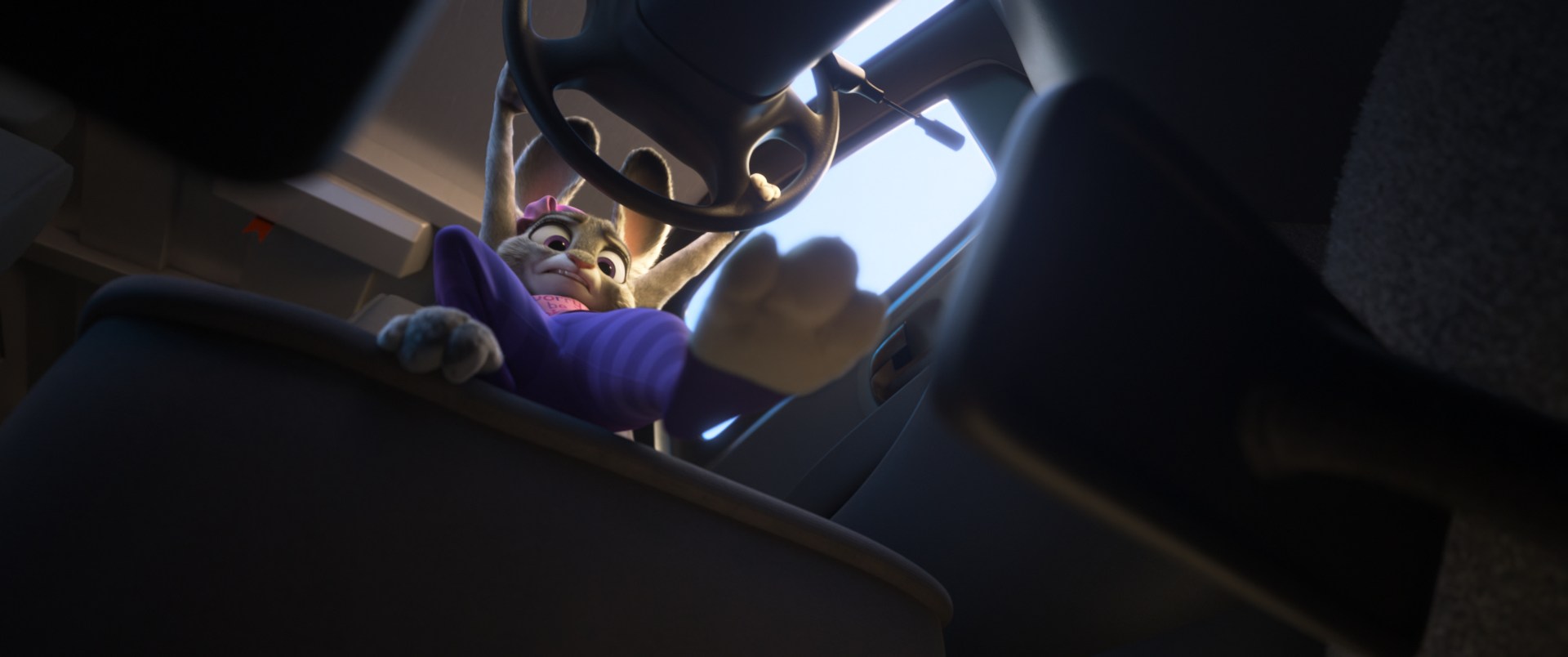
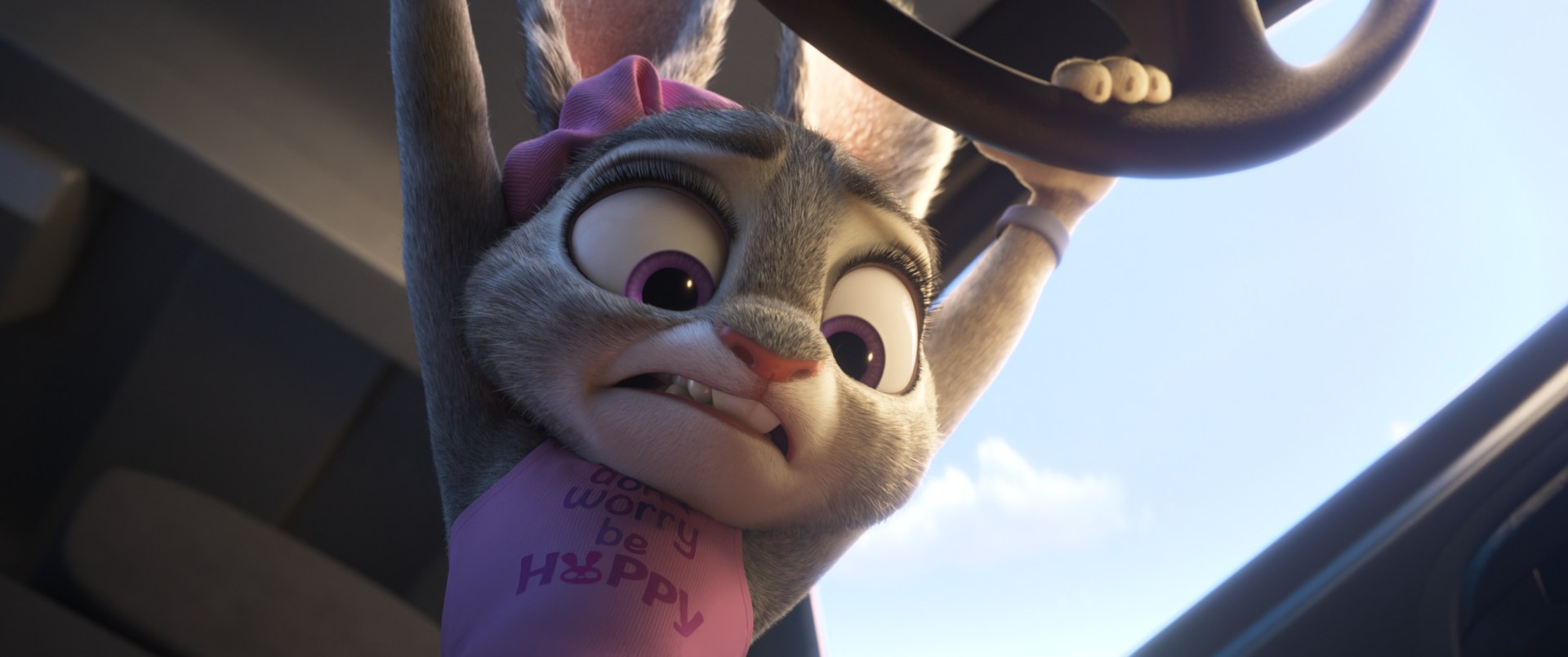
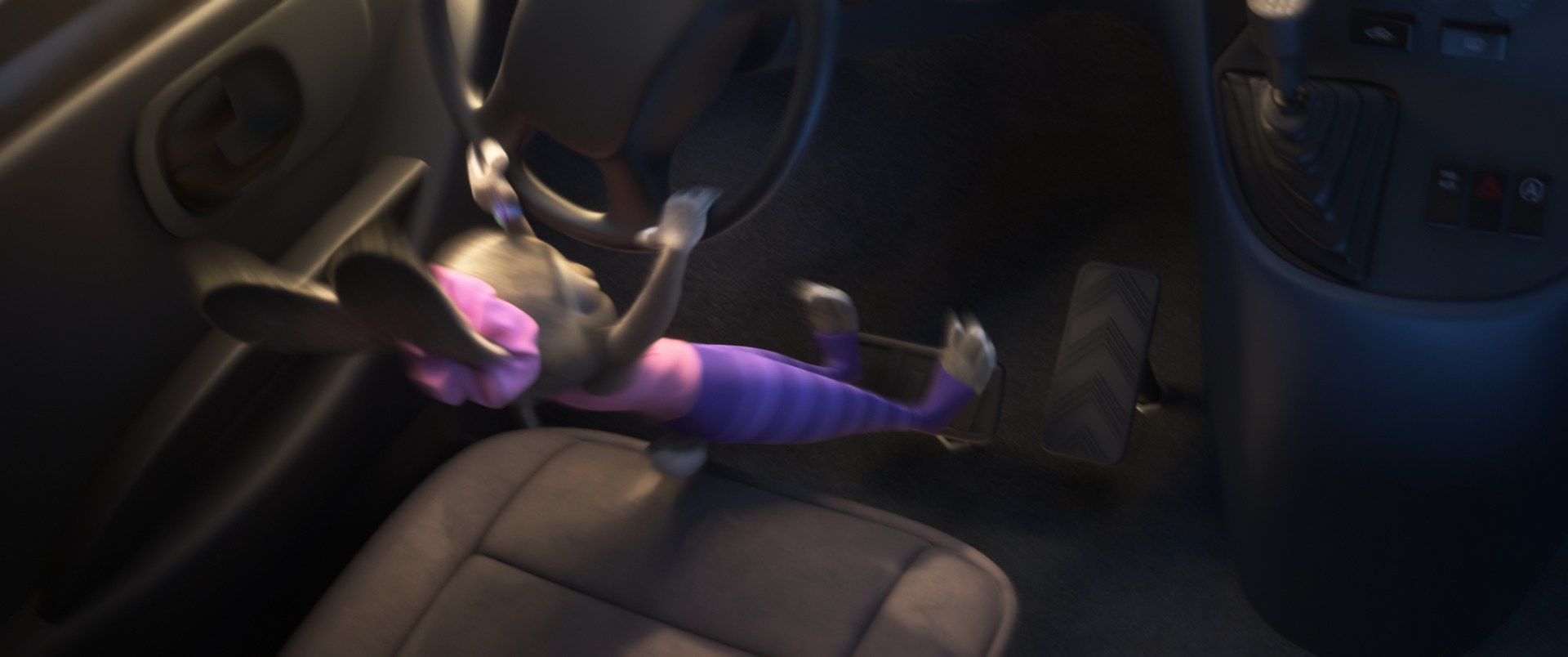
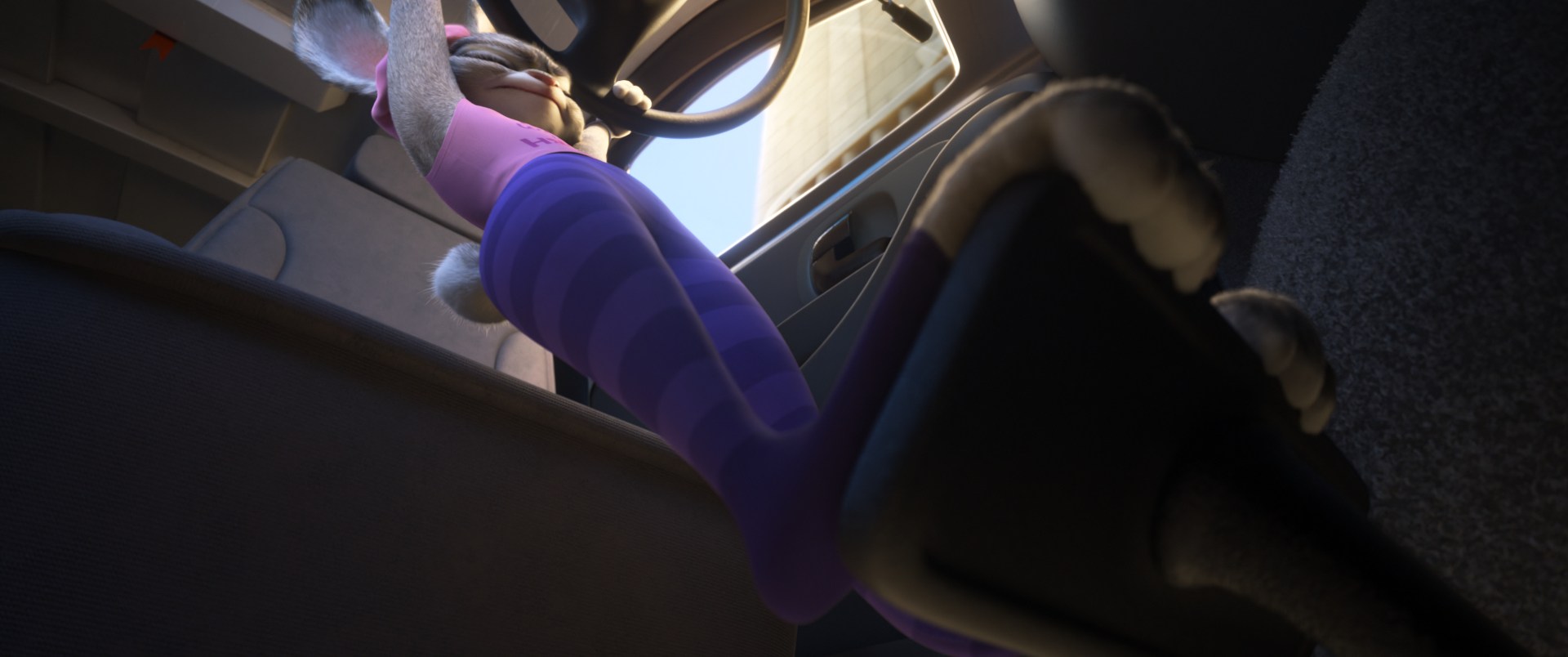
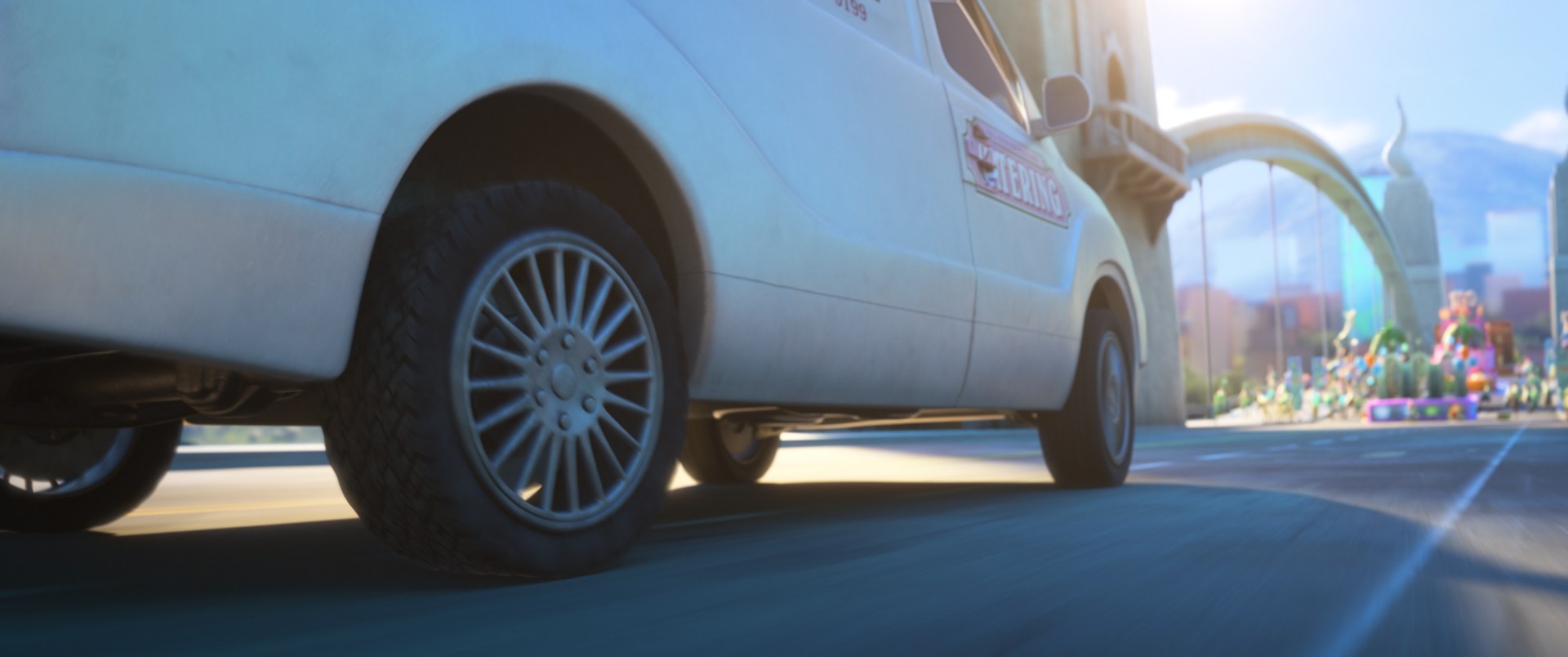
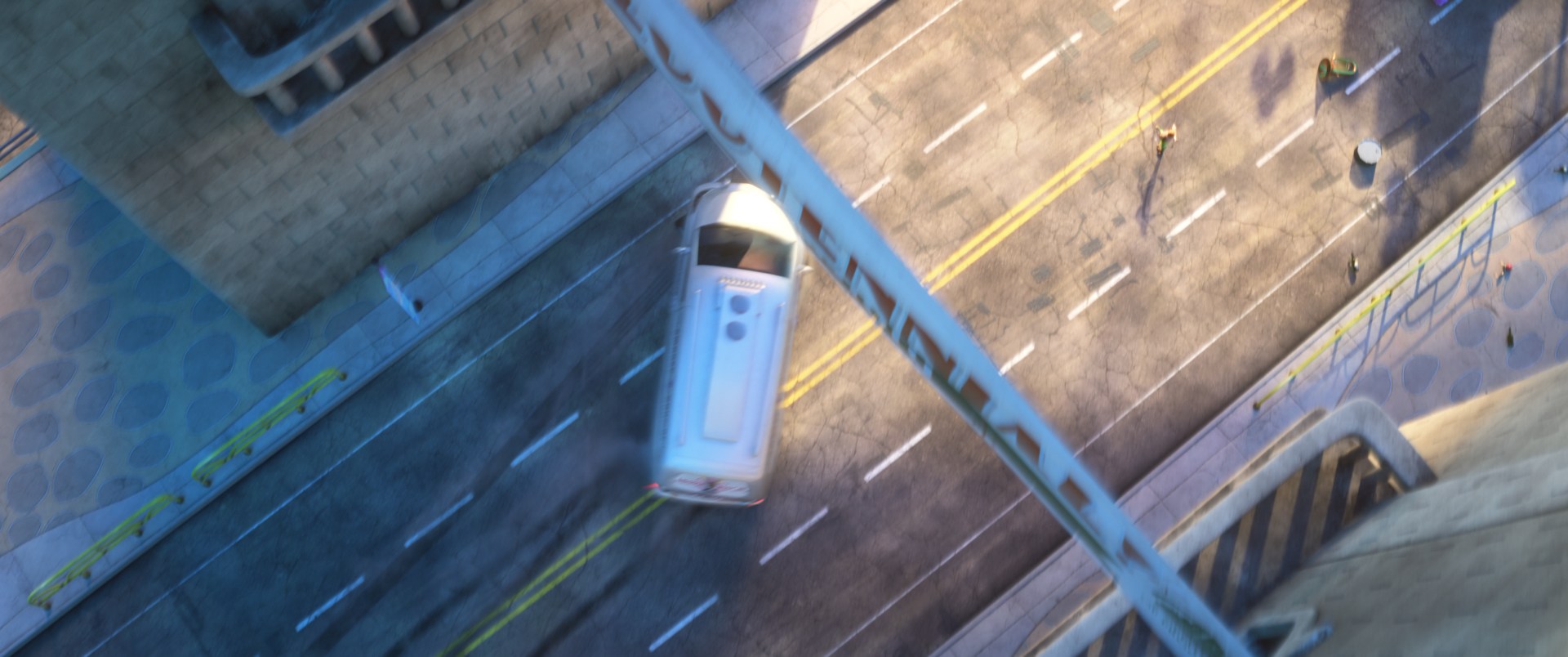
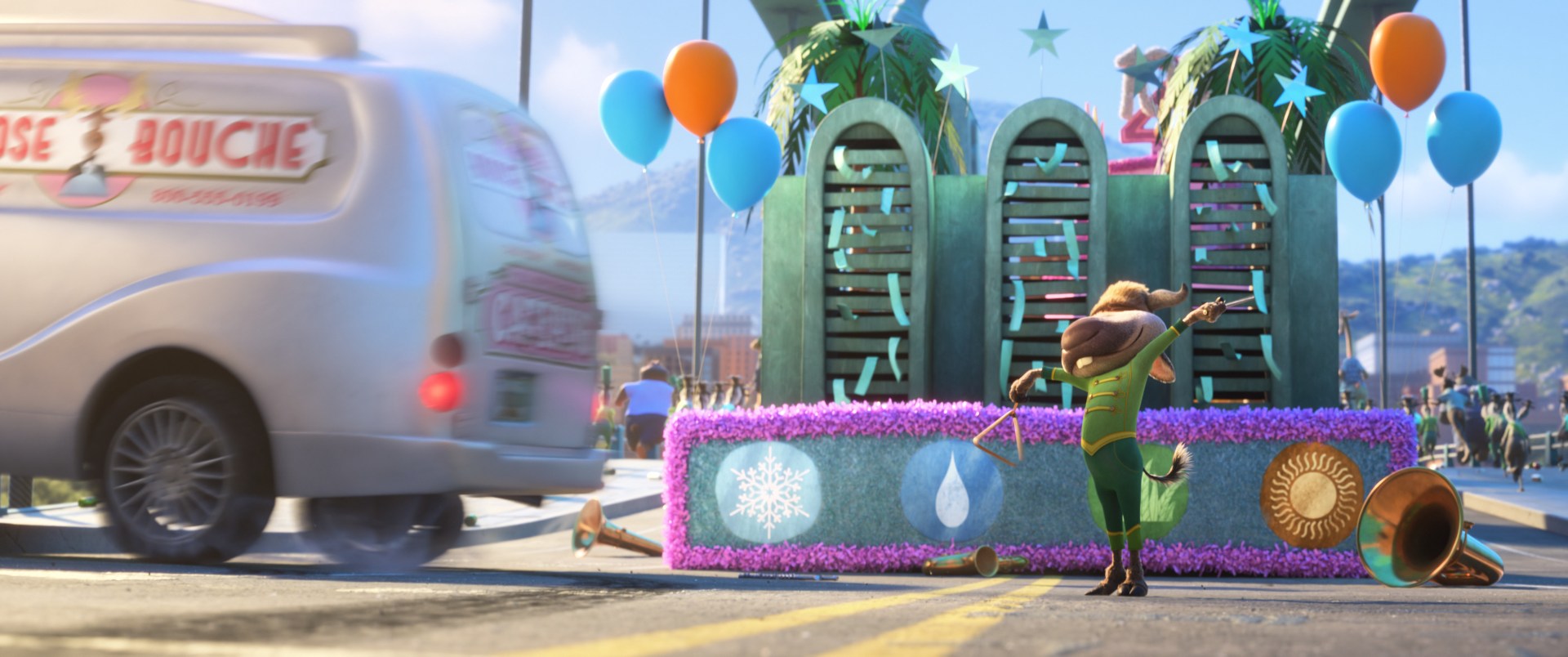
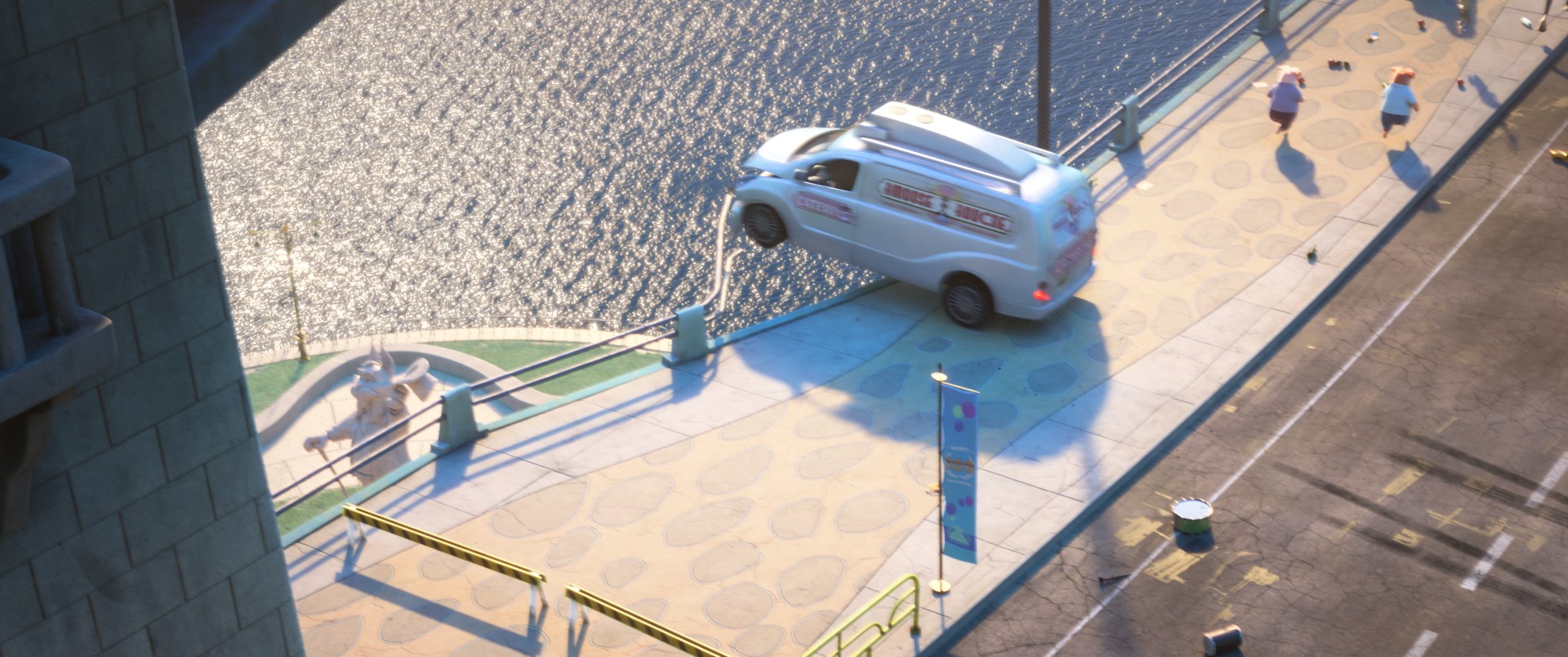
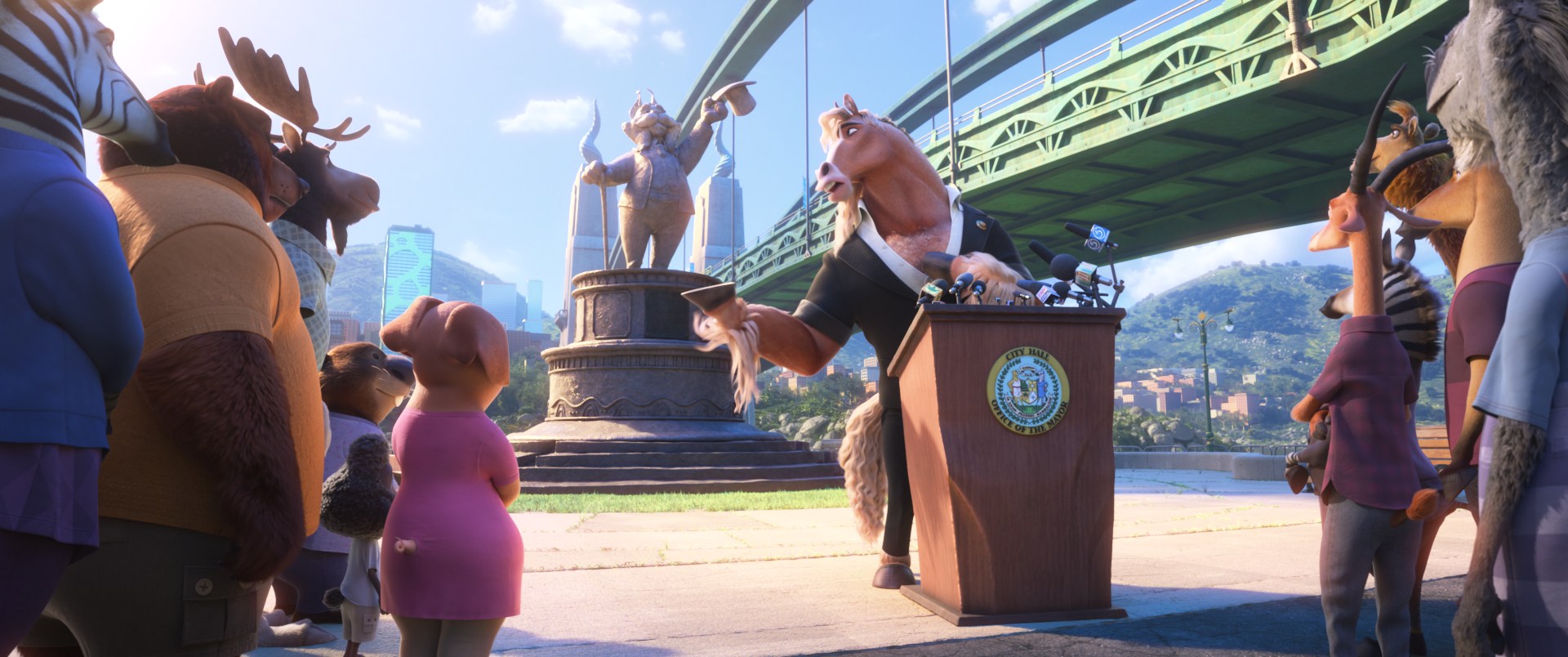
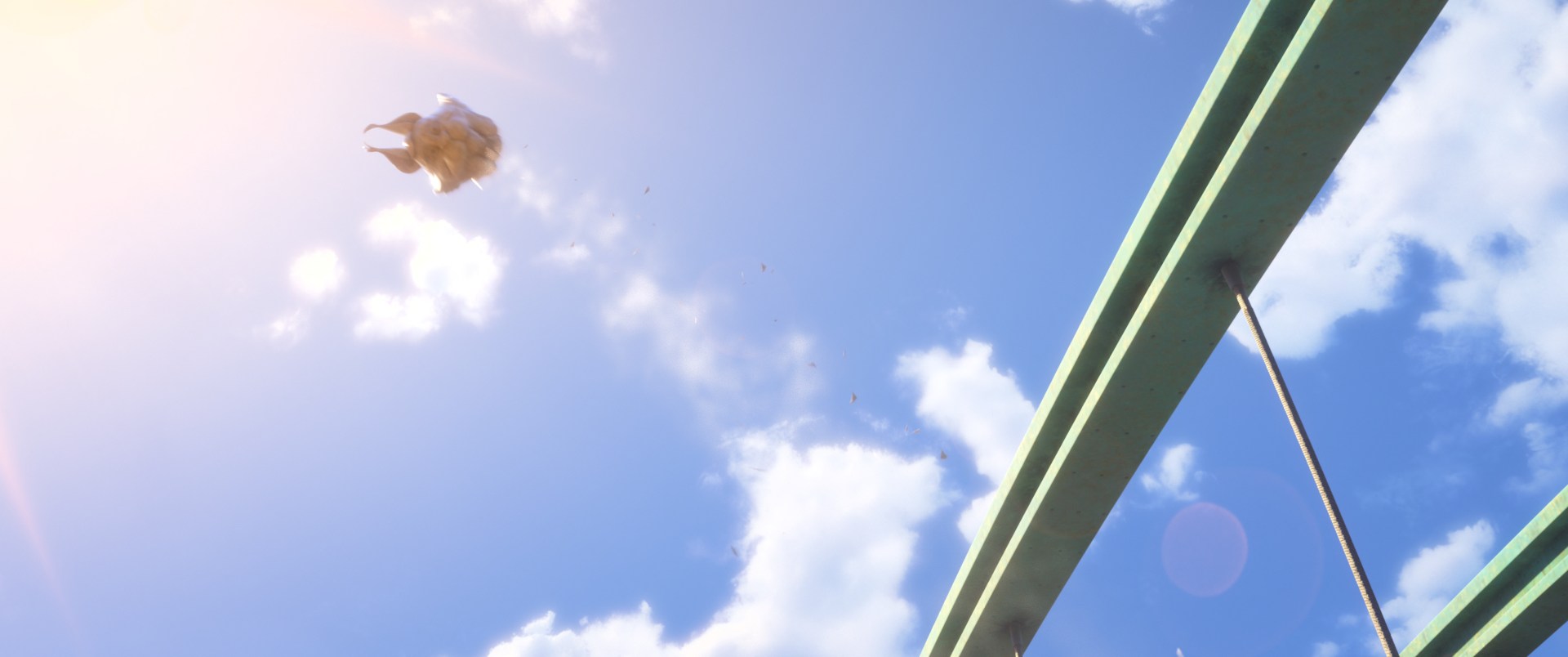
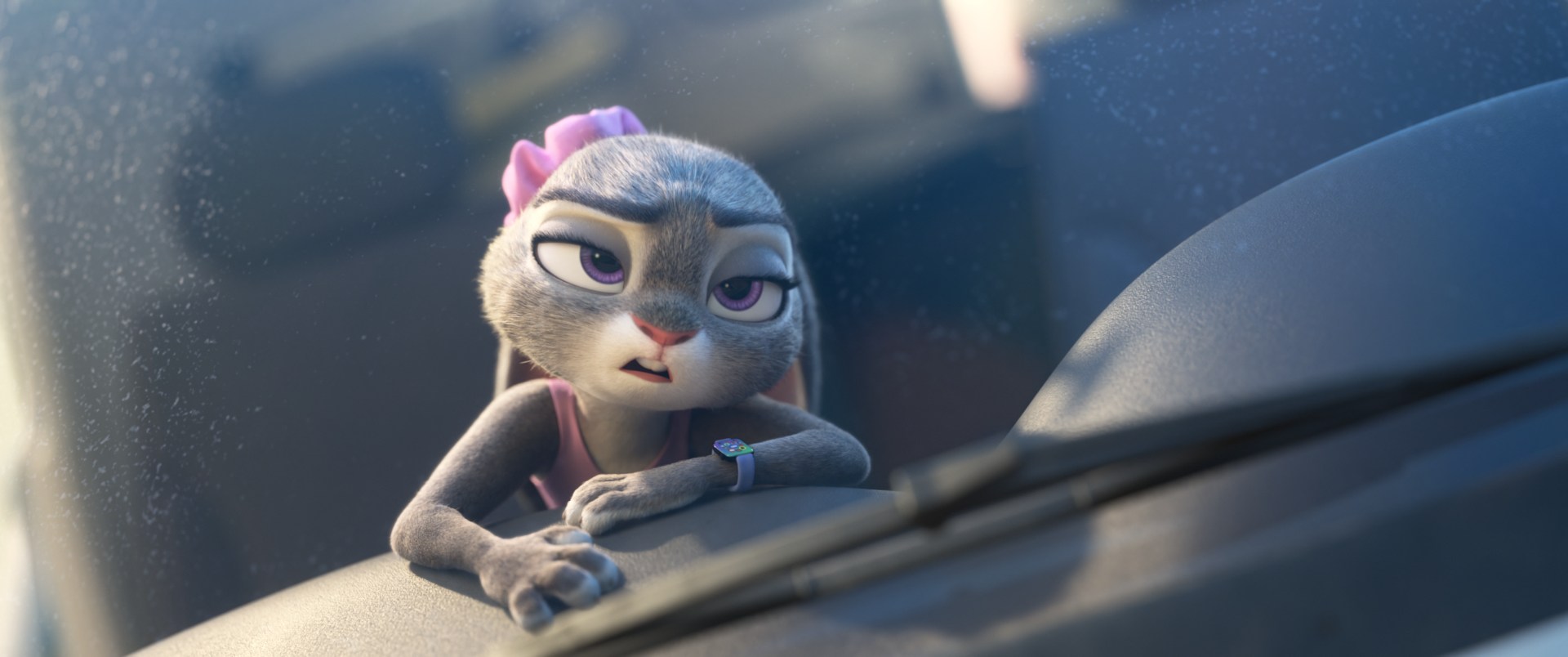
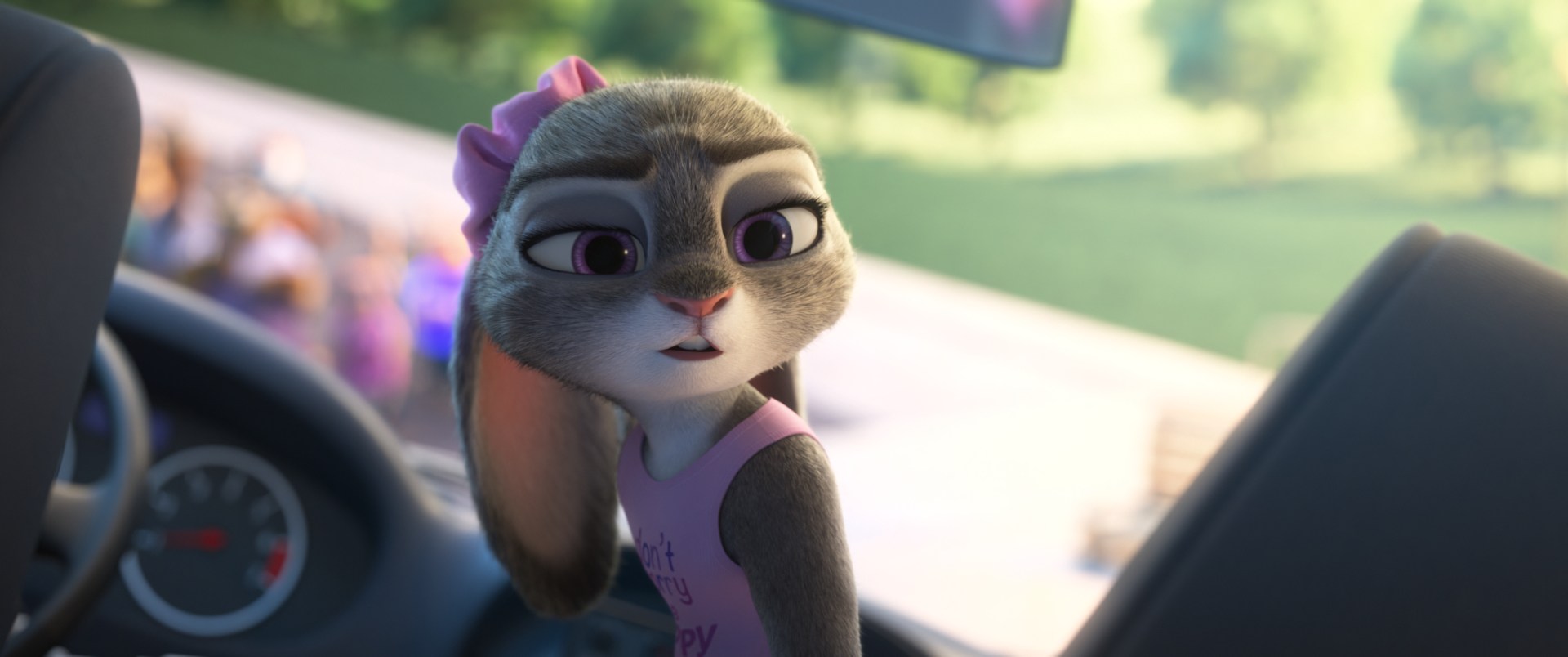
Stills tracing one sequence beat by beat, in shot order:
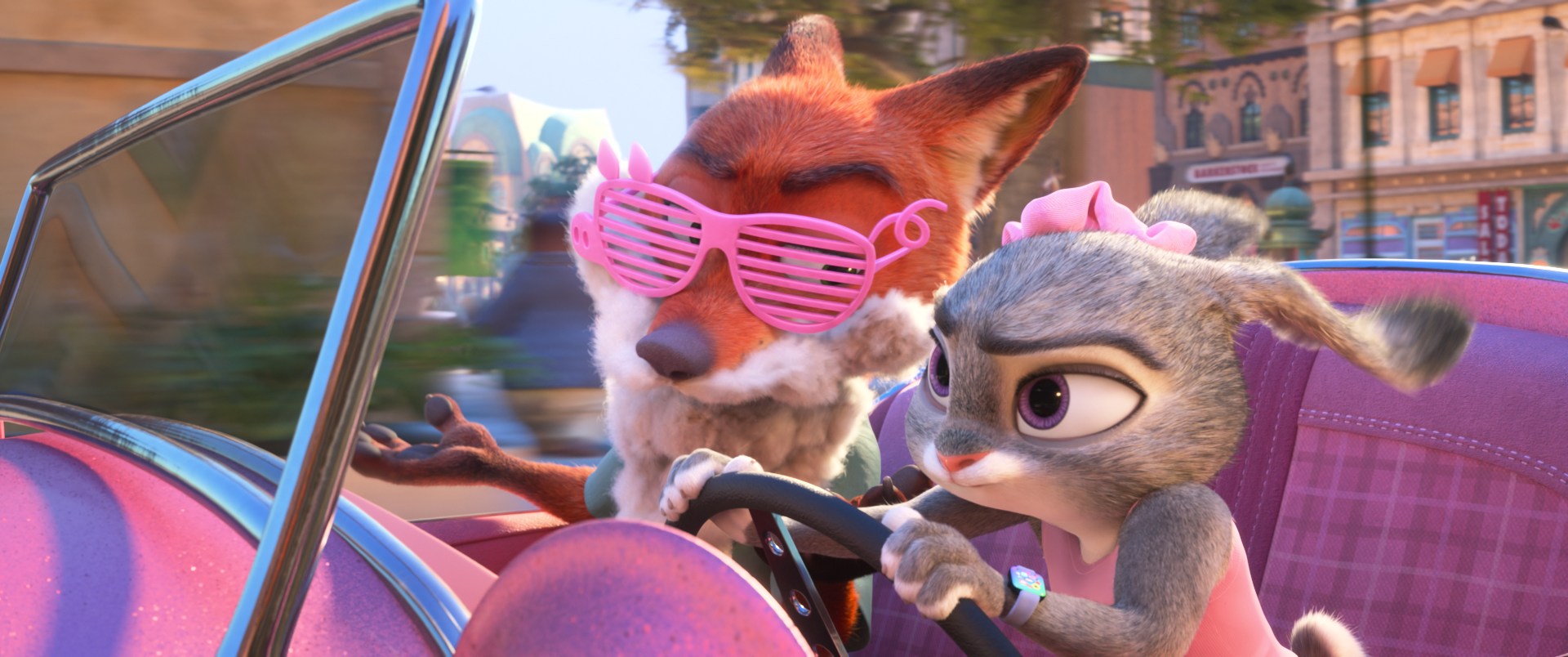
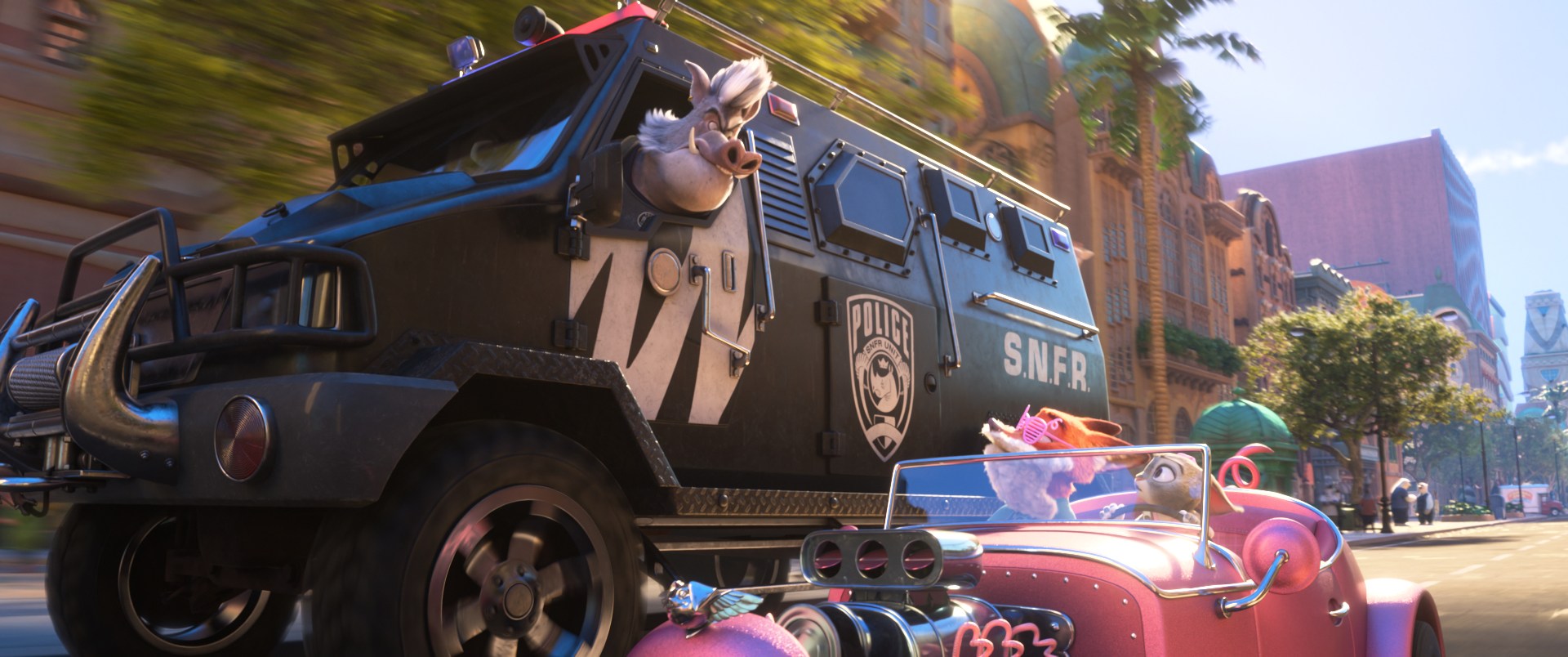
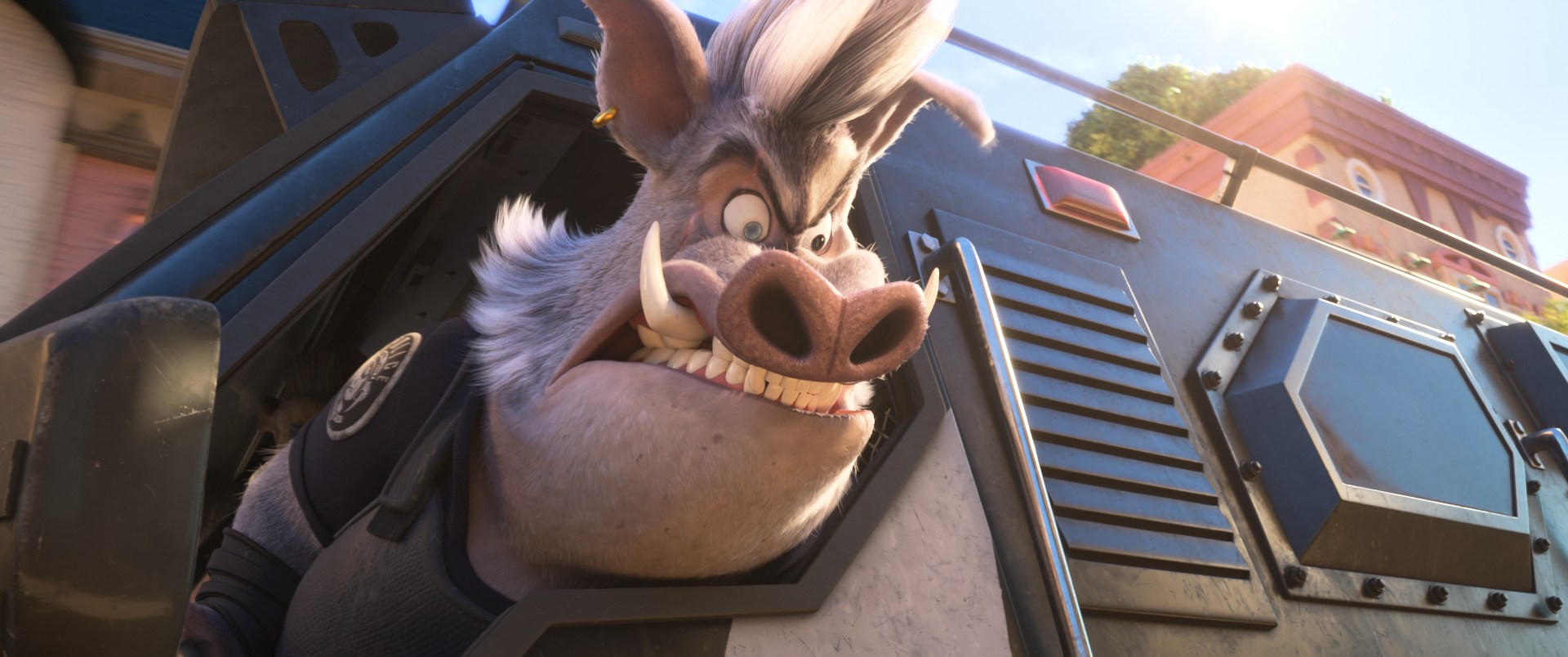
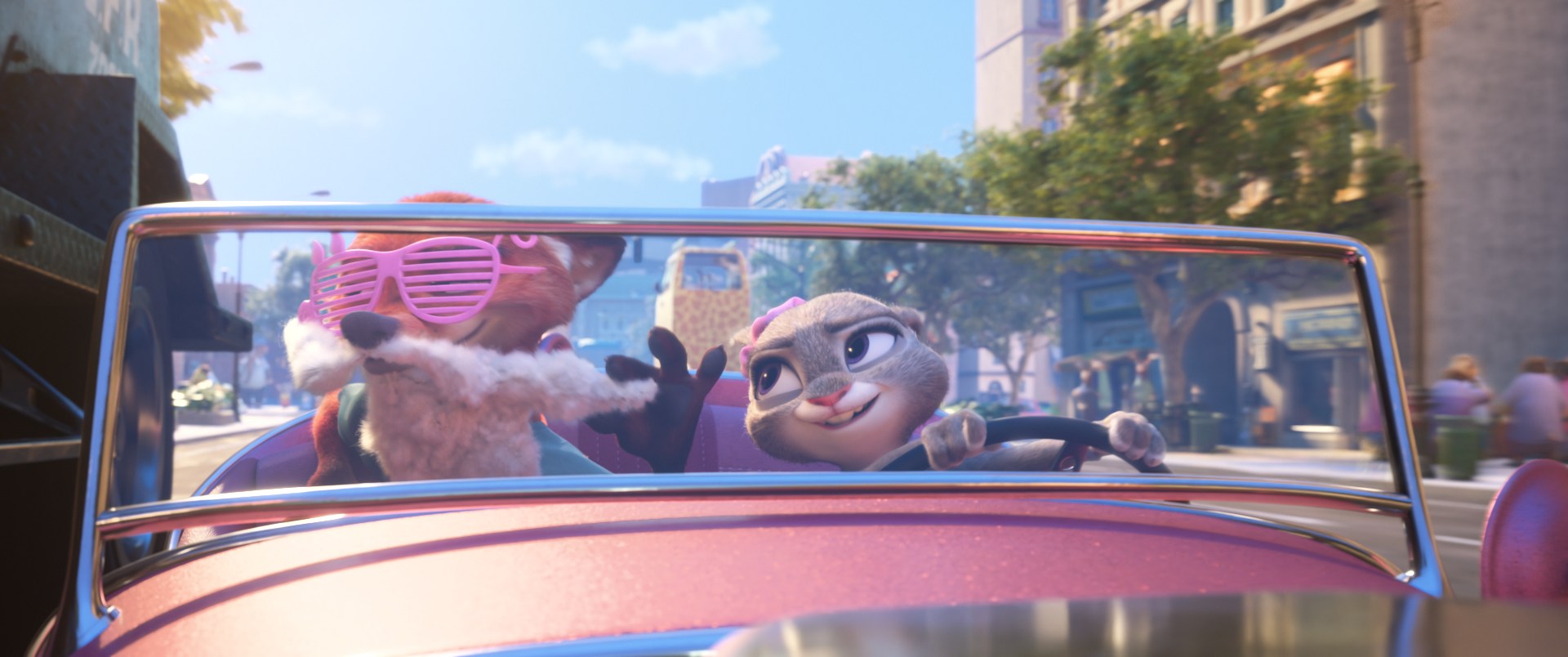
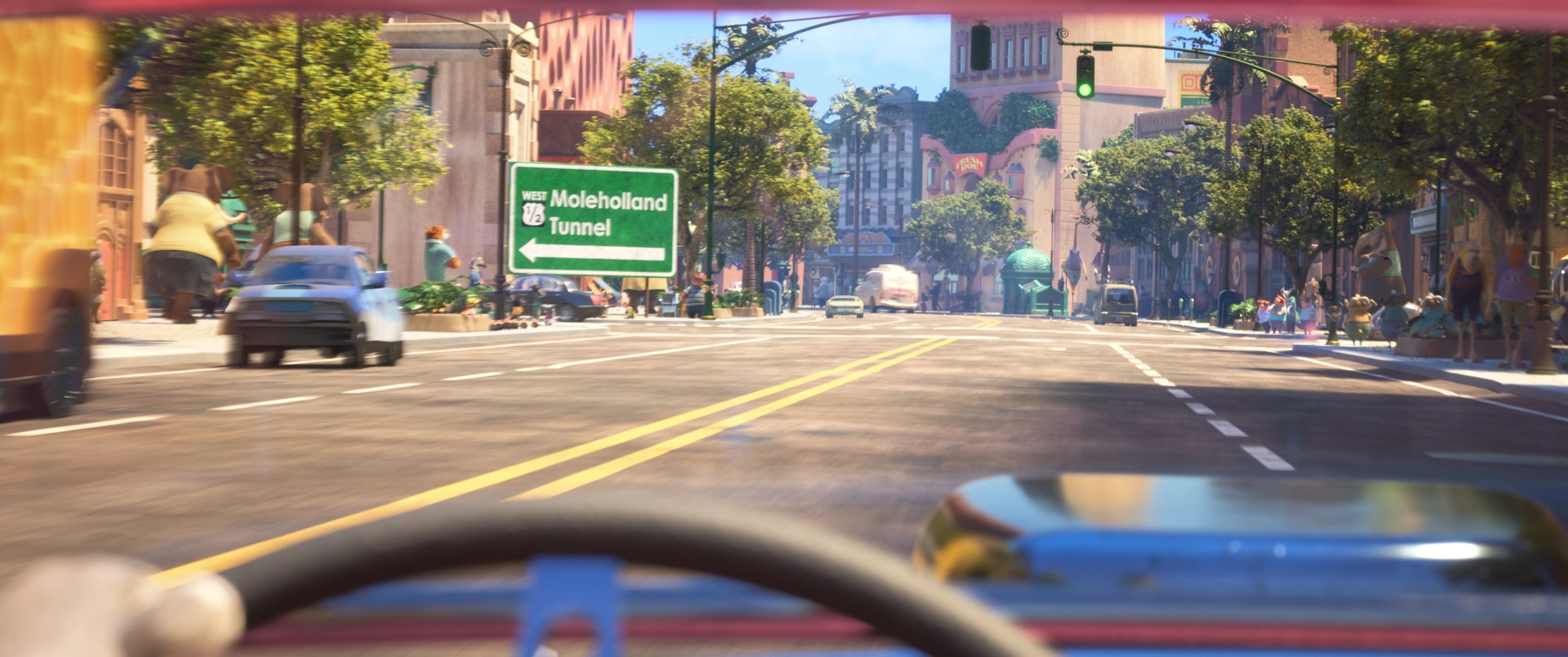
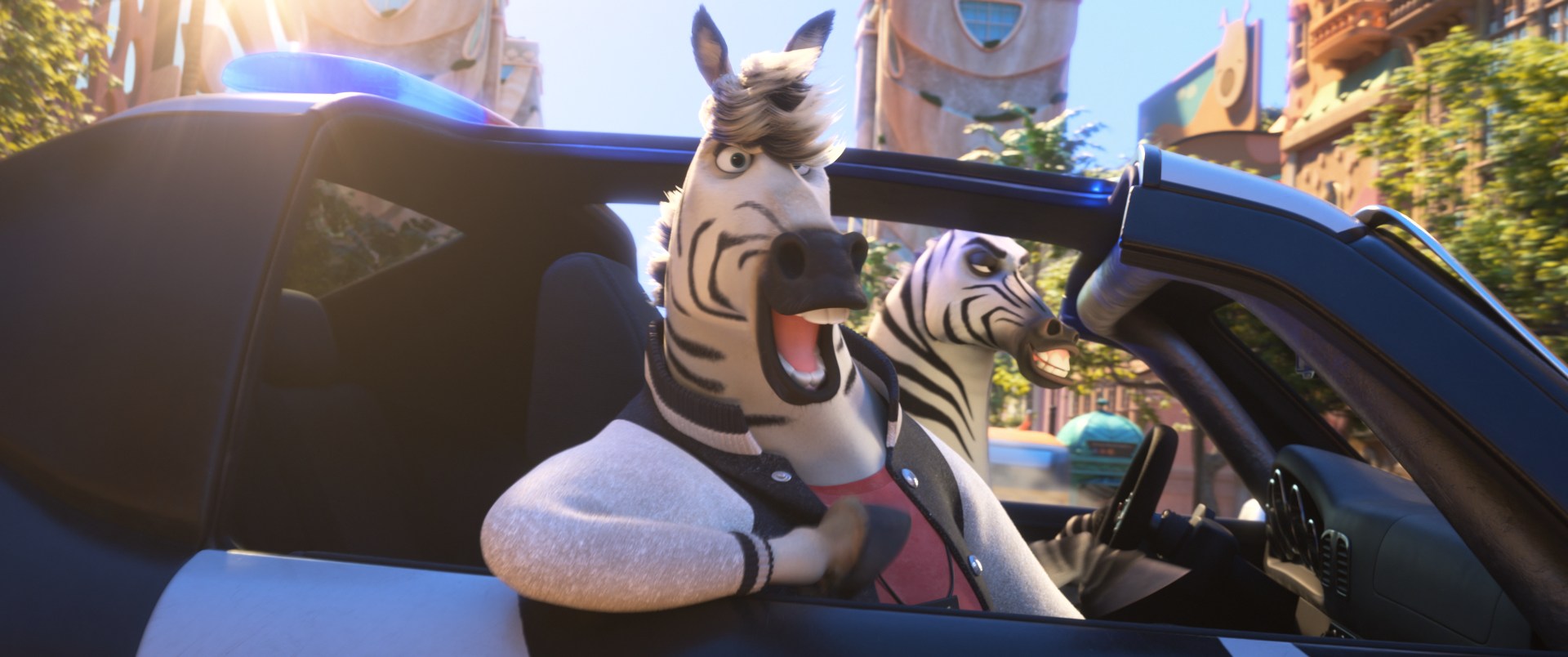
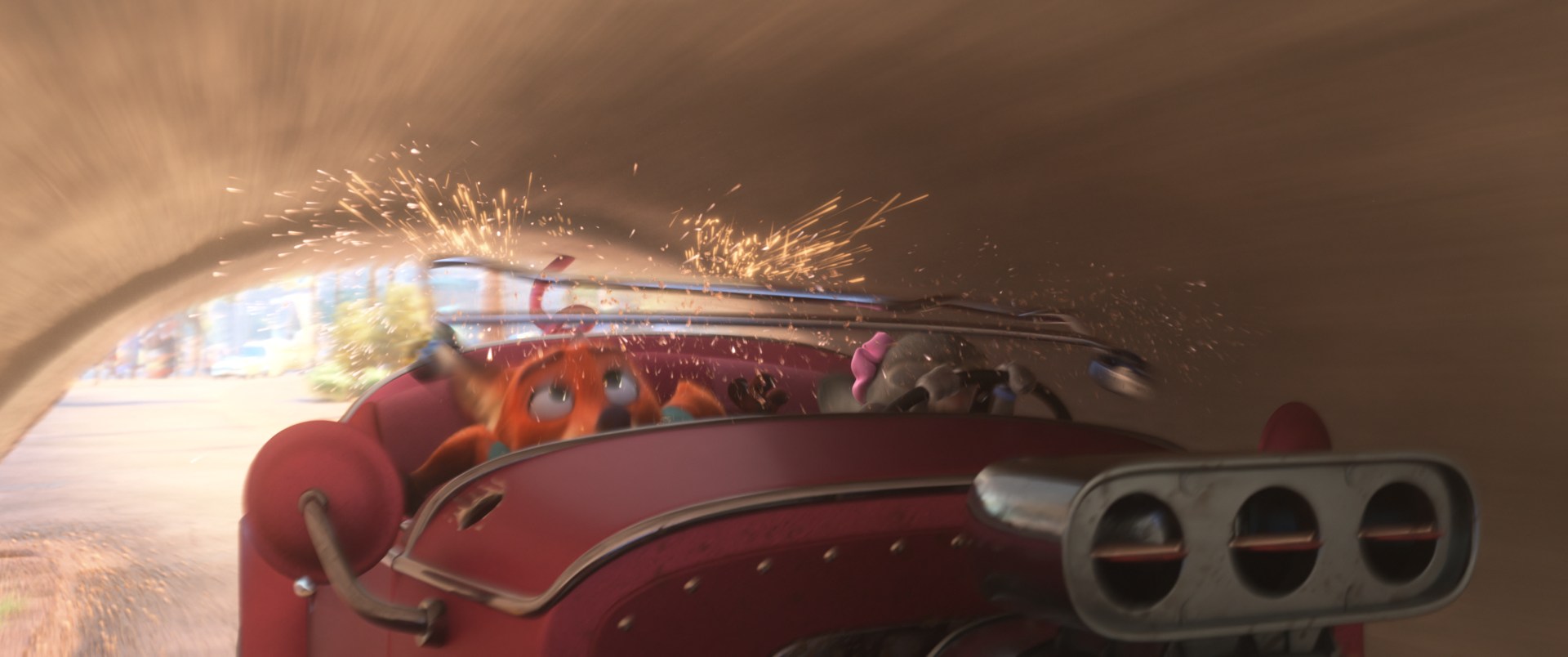
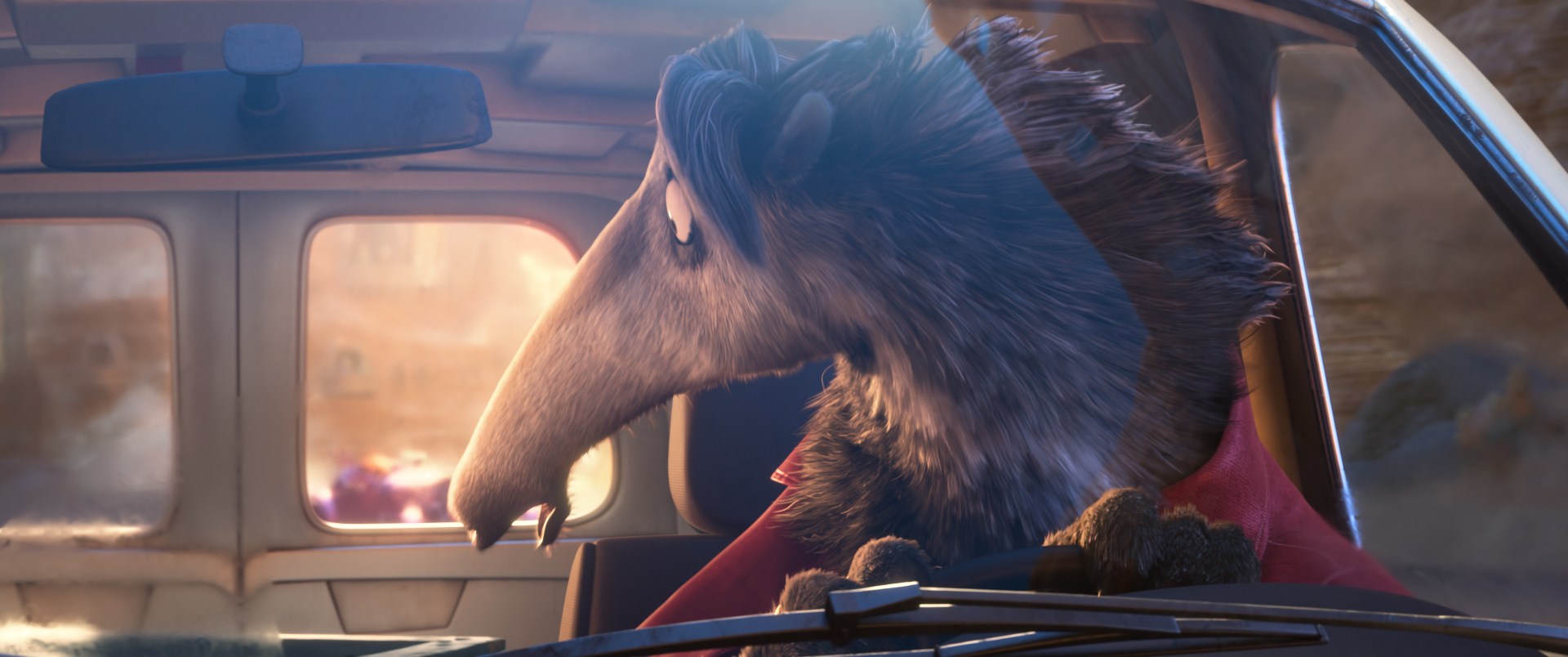
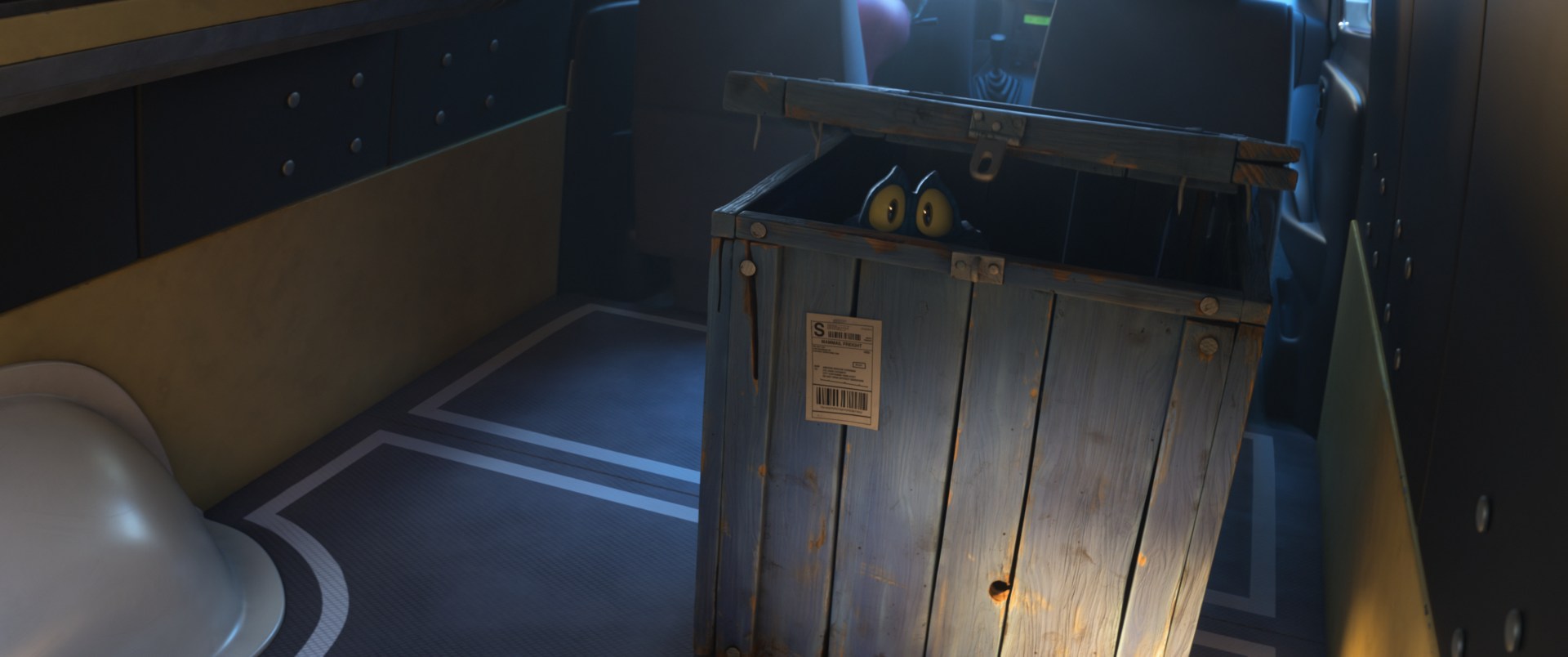
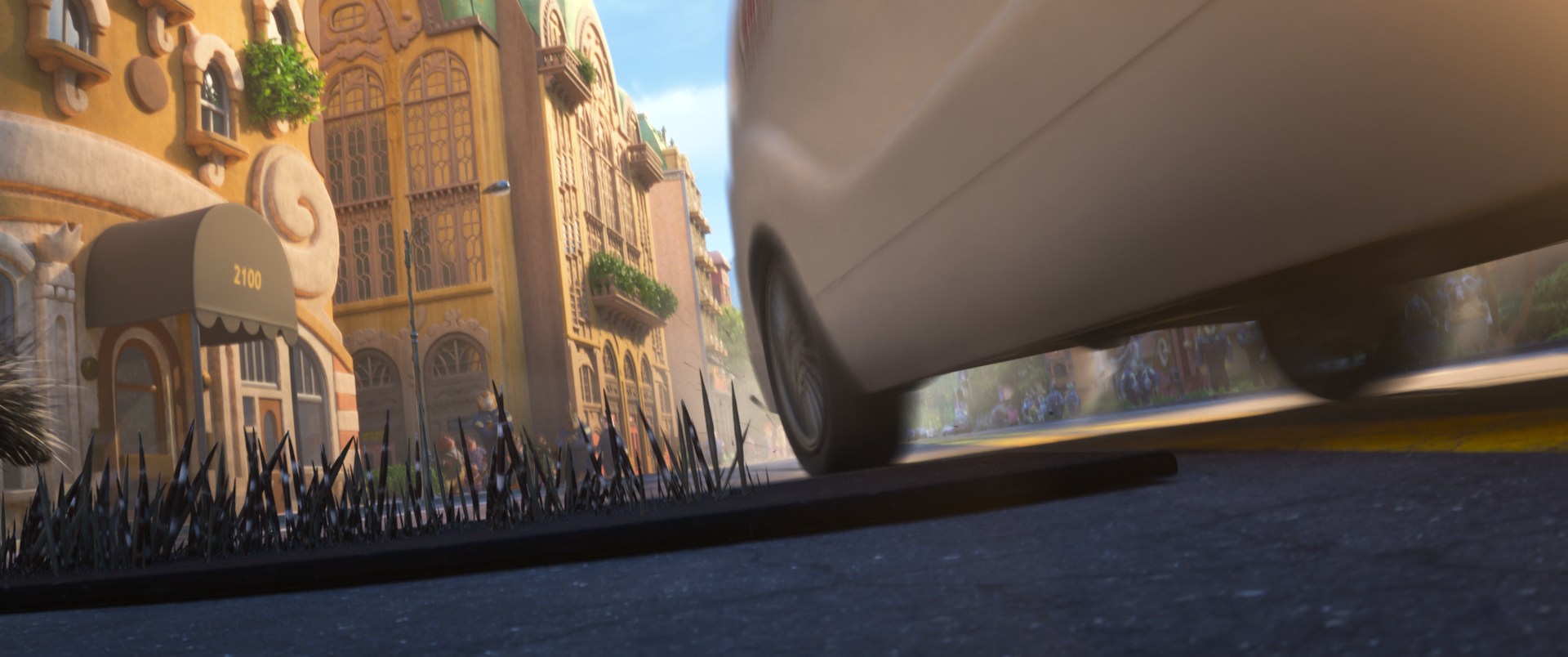
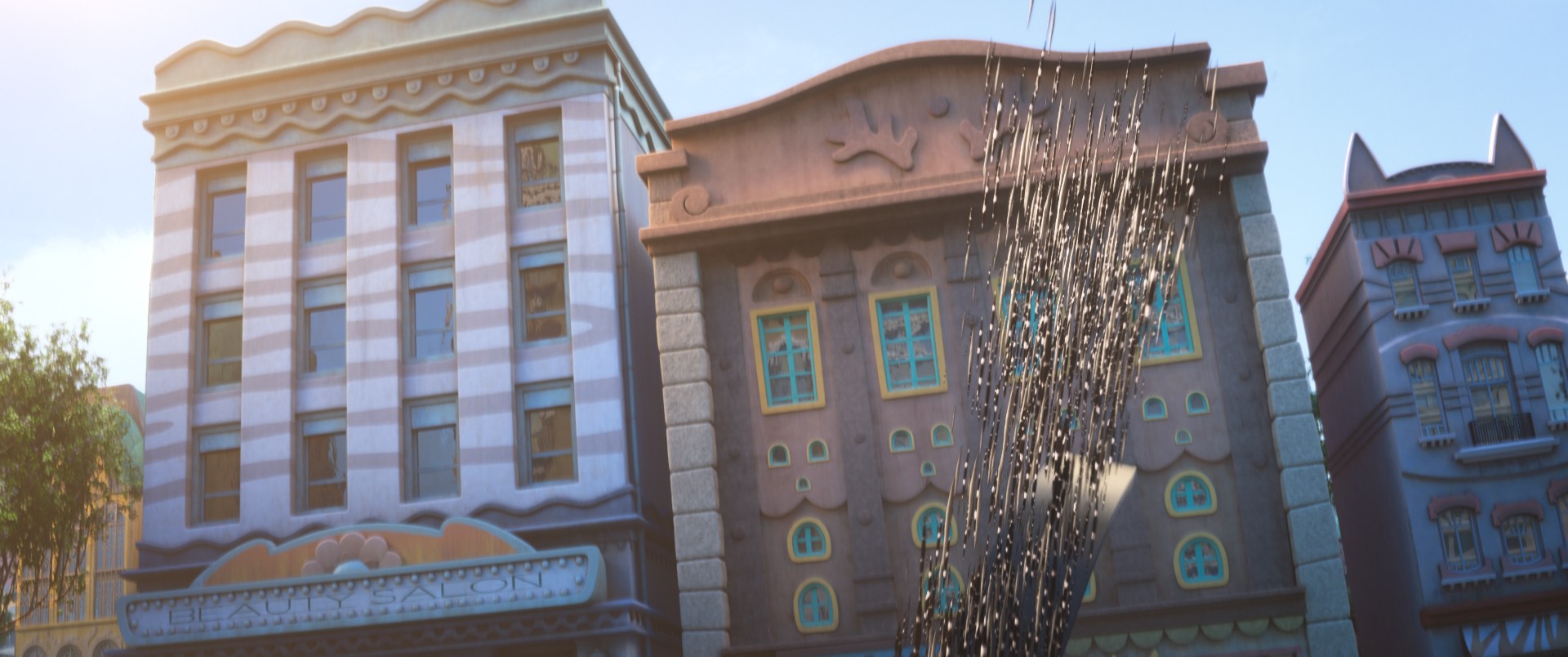
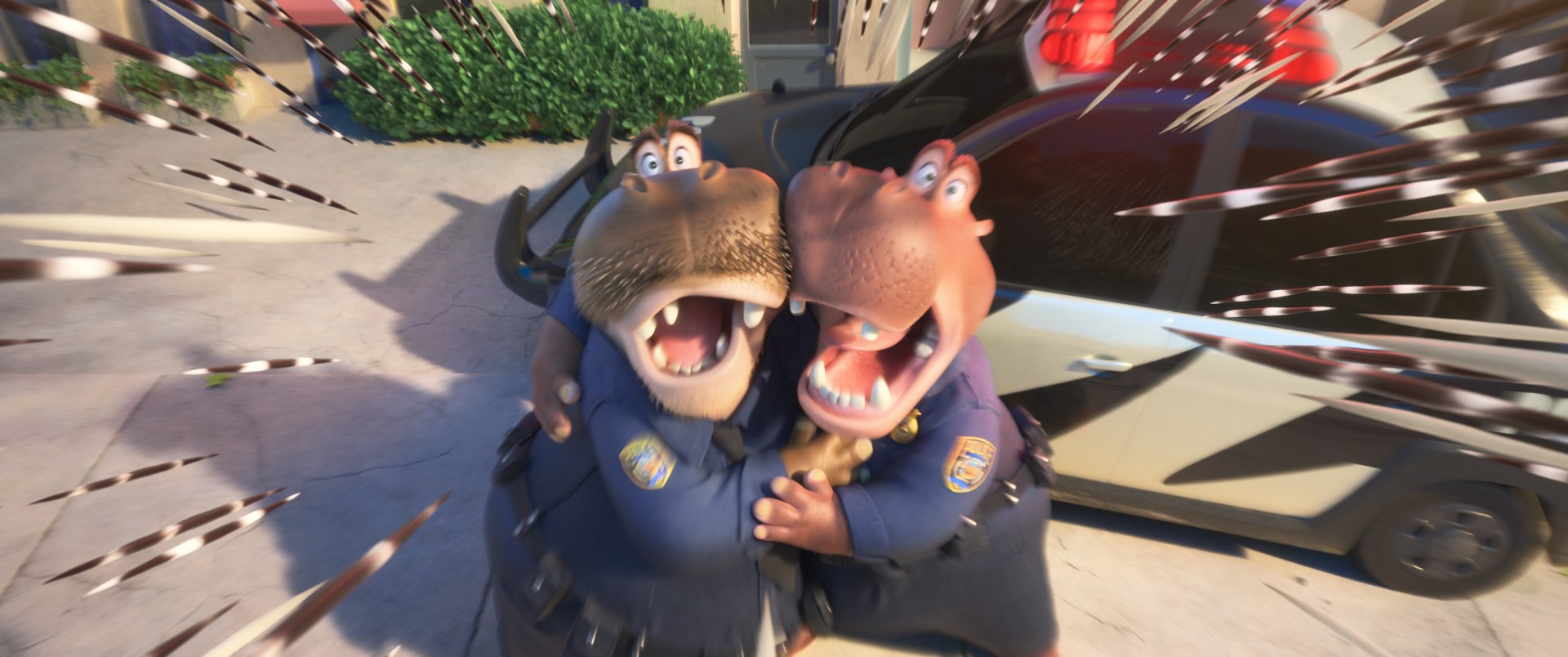
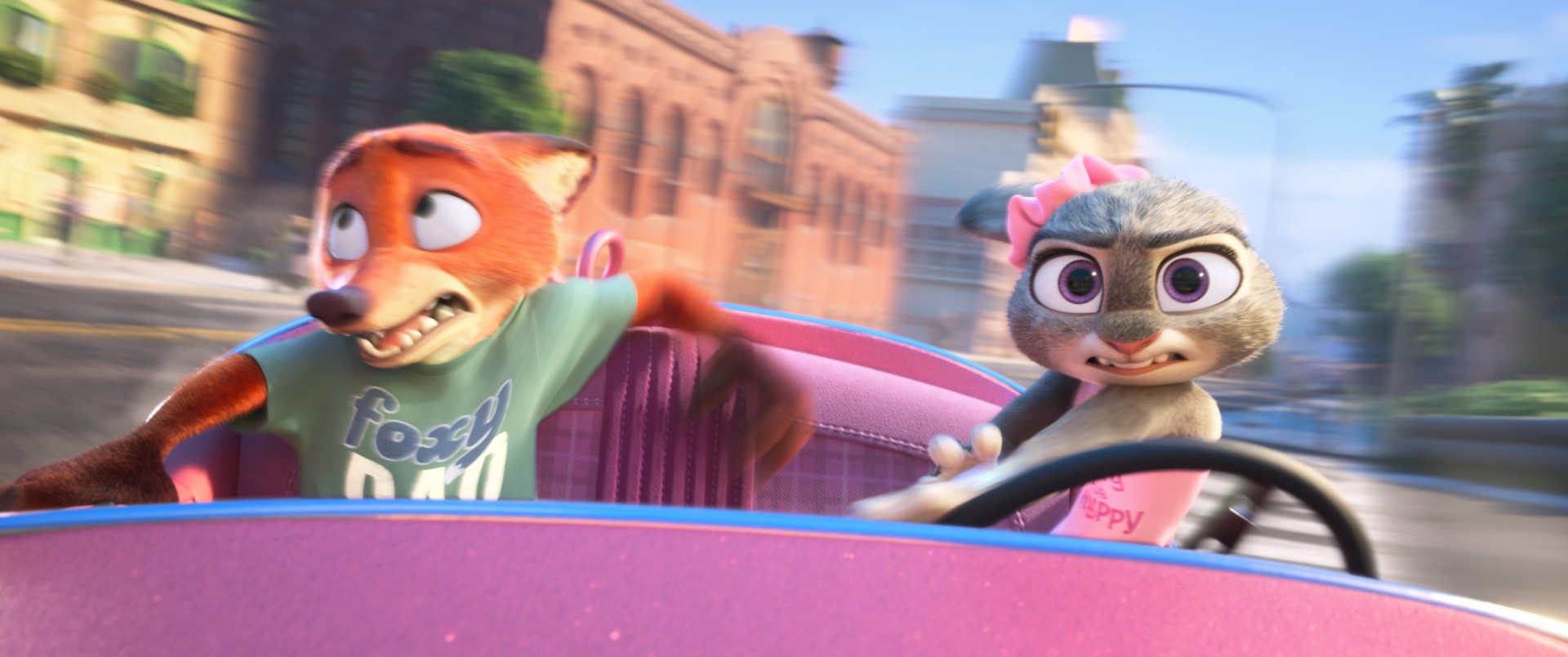
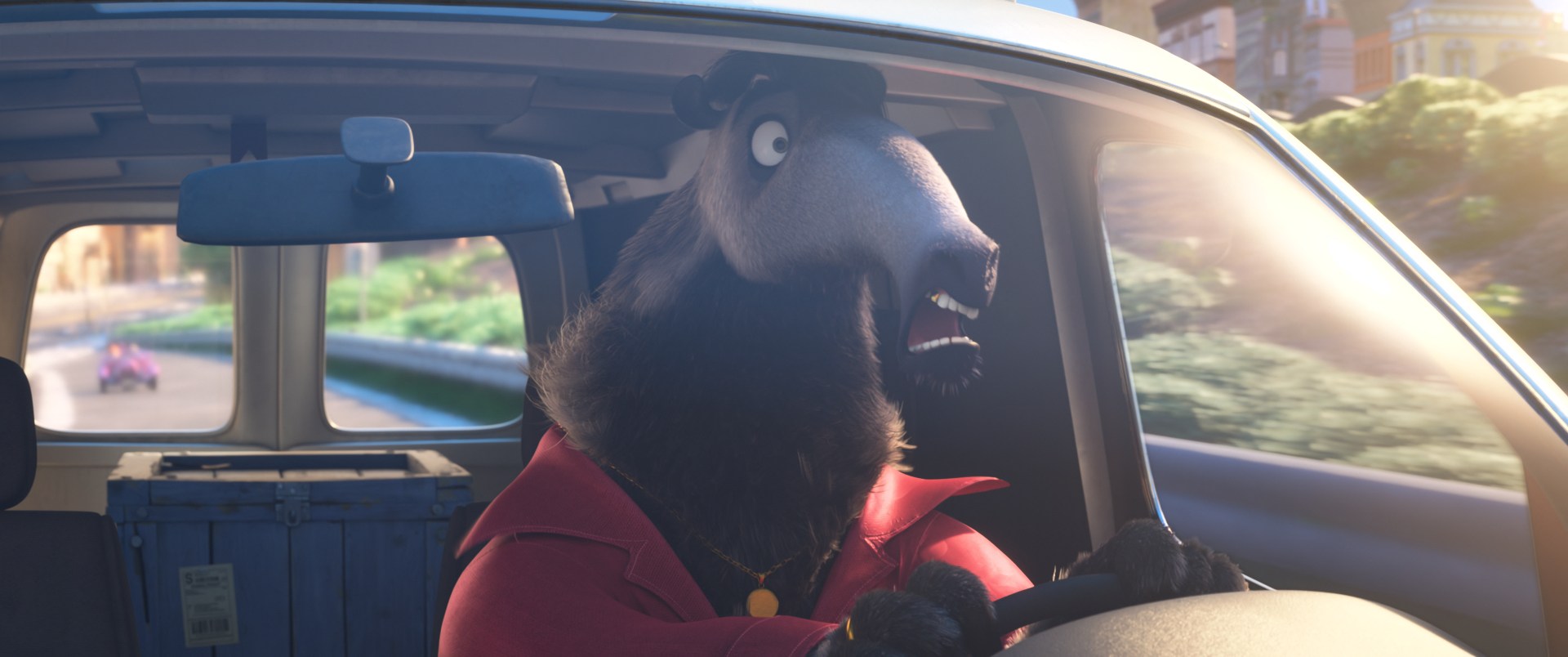
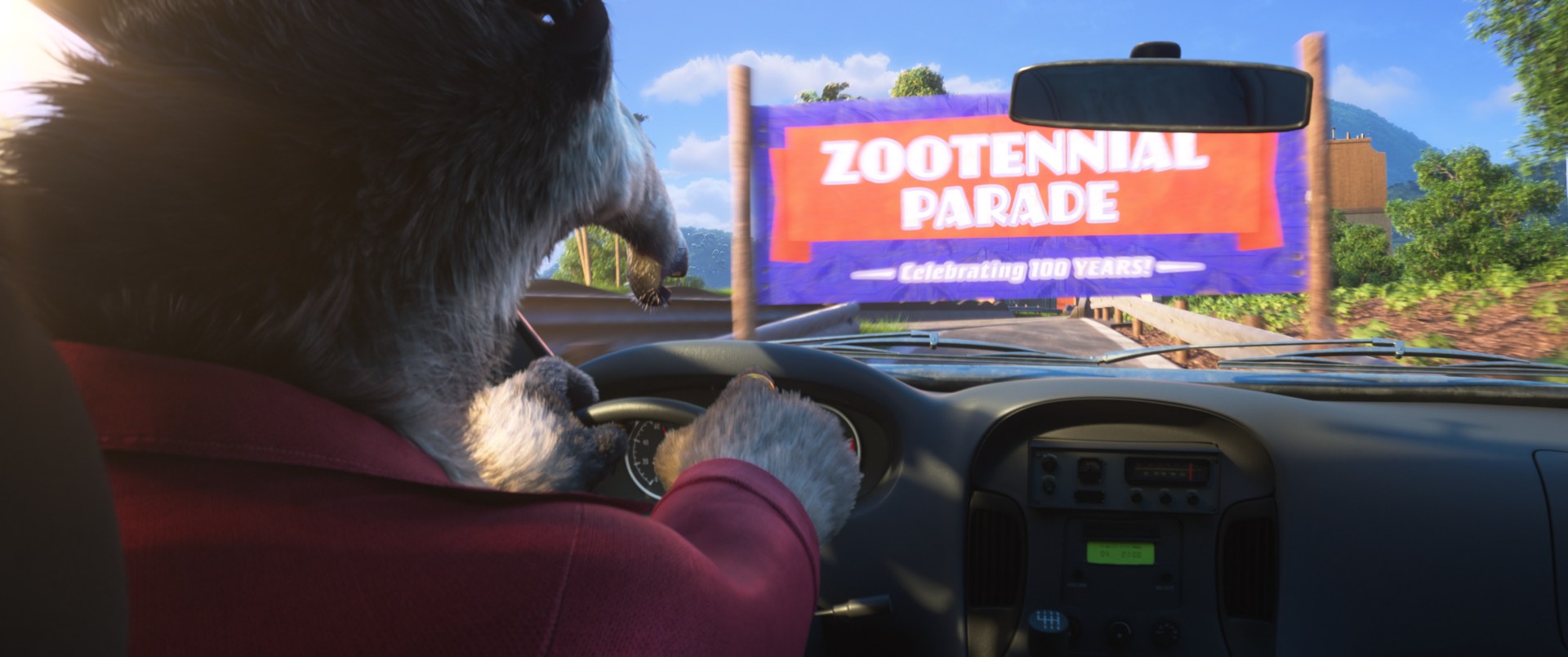
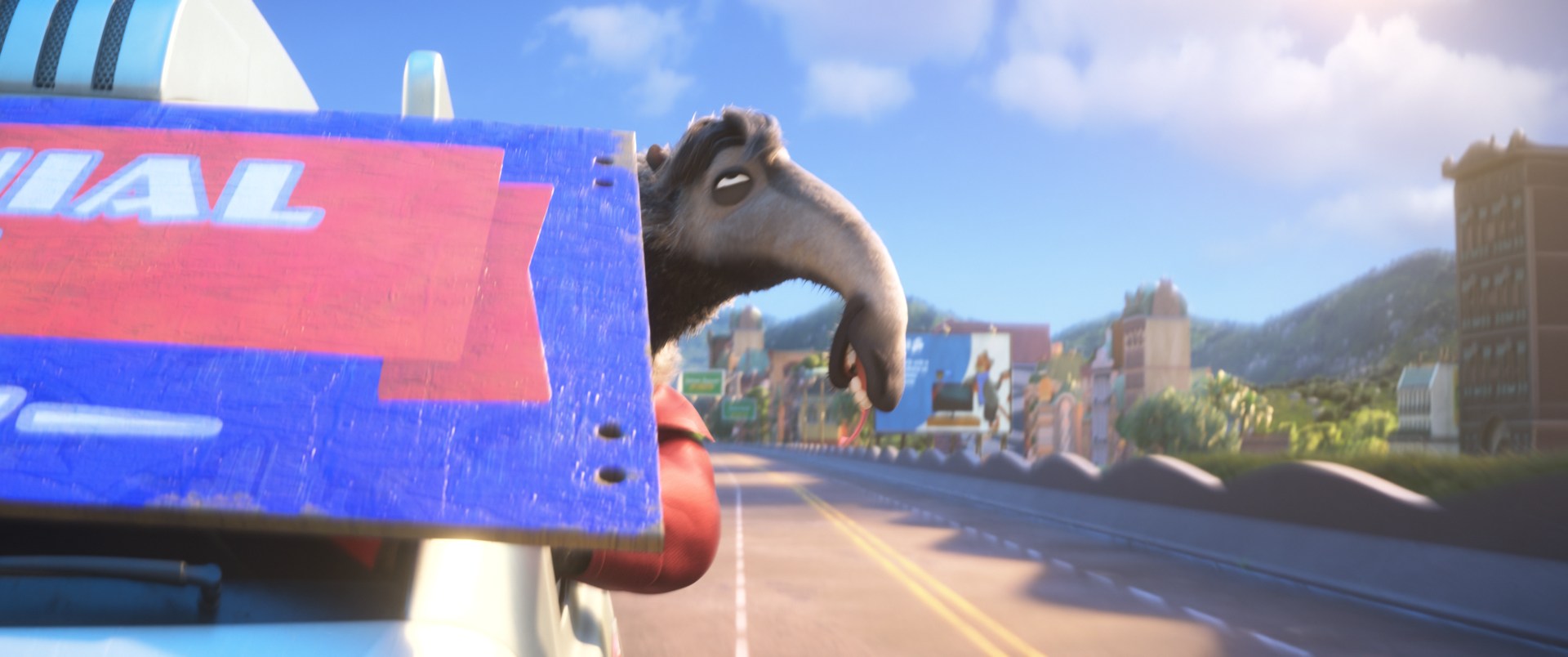
Shots: One Camera Setup at a Time
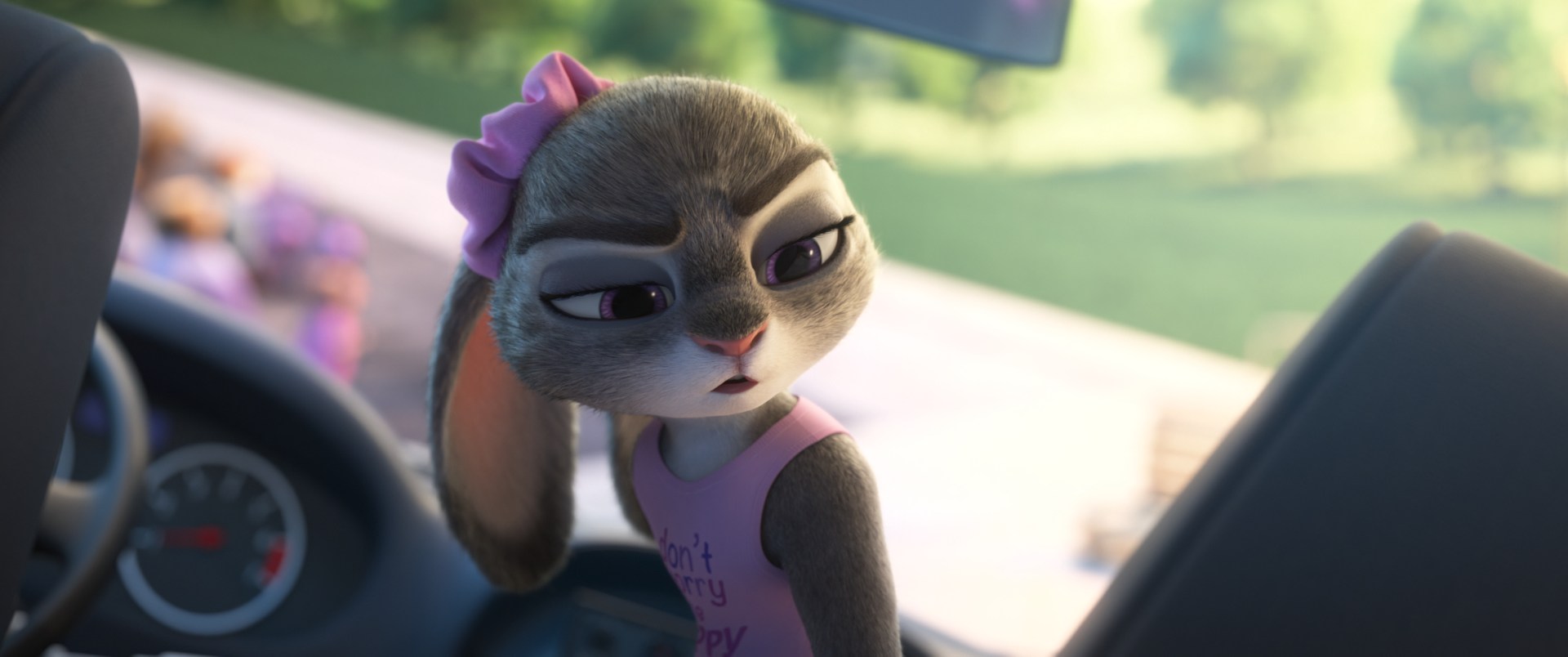
Inside a sequence, the working unit is the shot: a single camera setup, typically 0 to 30 seconds long. Hot Pursuit contains 80 shots and is 2 minutes and 22 seconds long, which shows how quickly the counts add up.
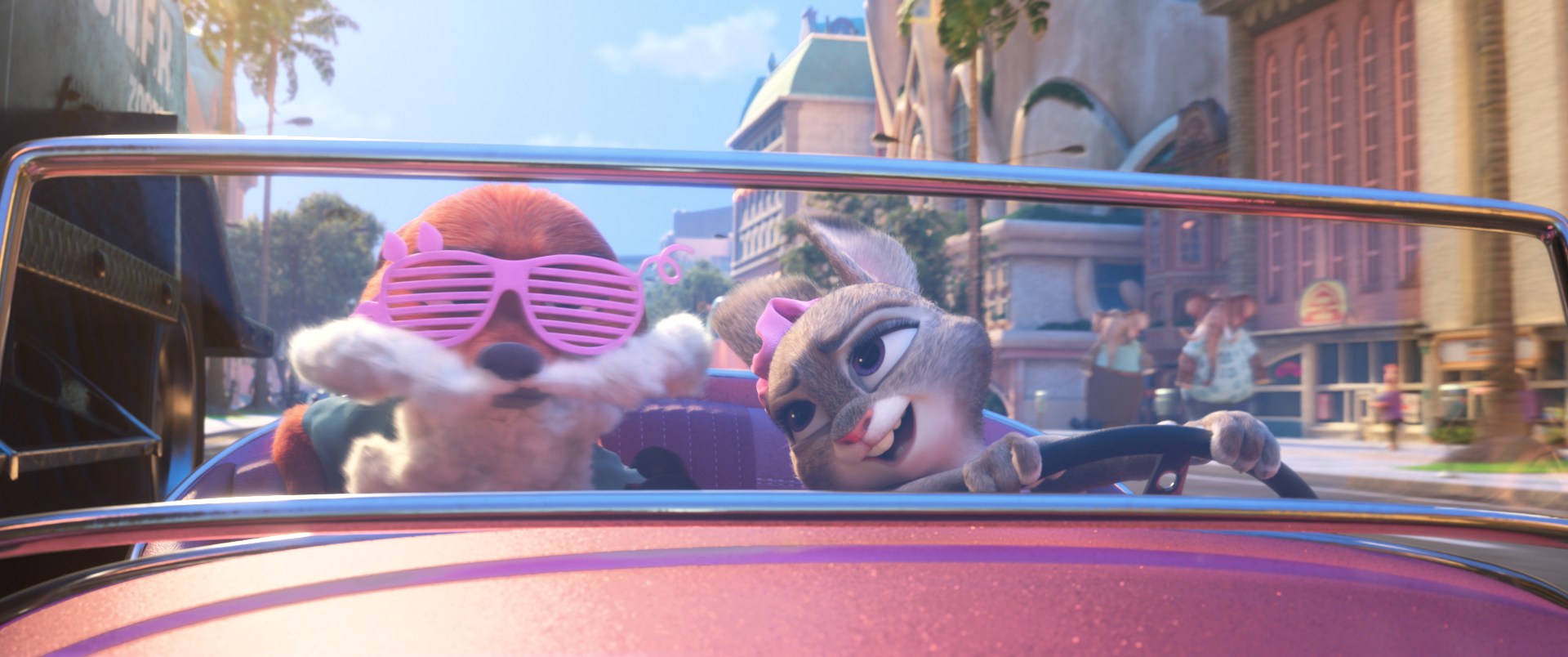
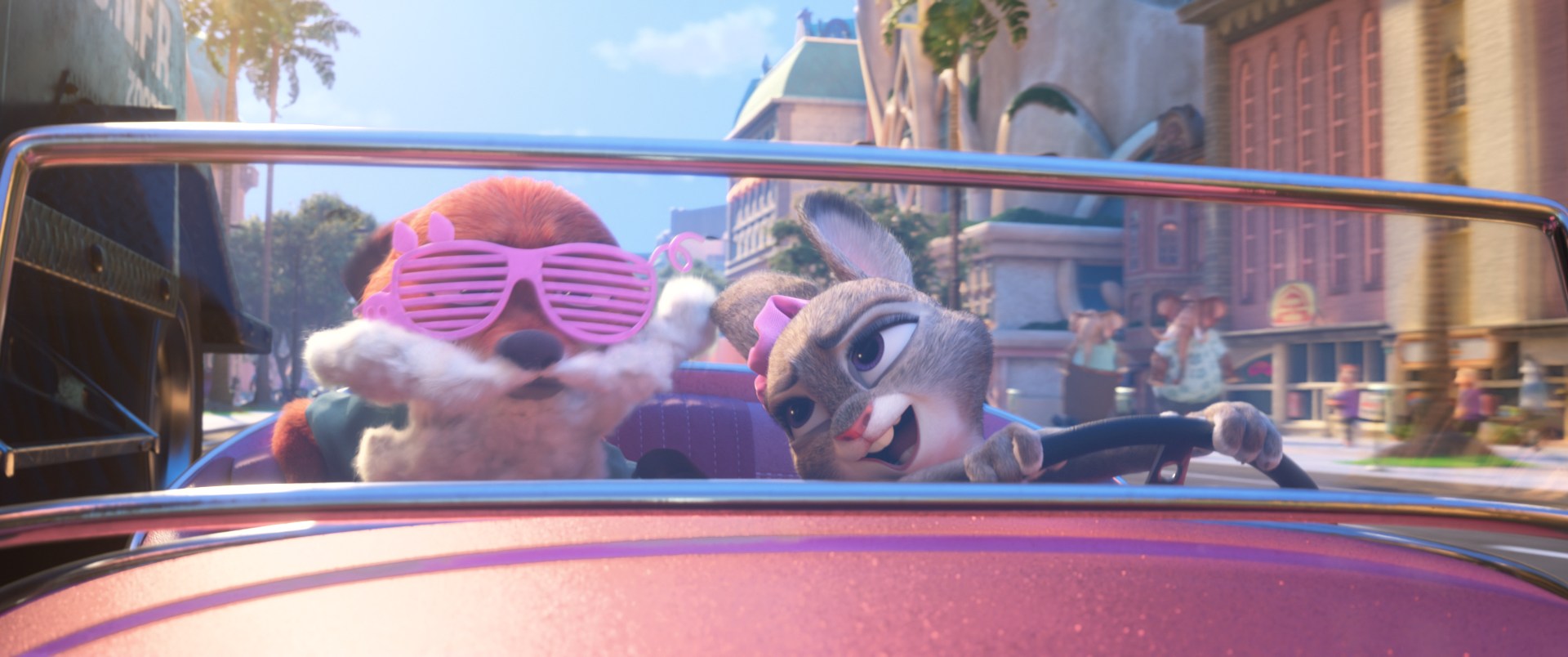
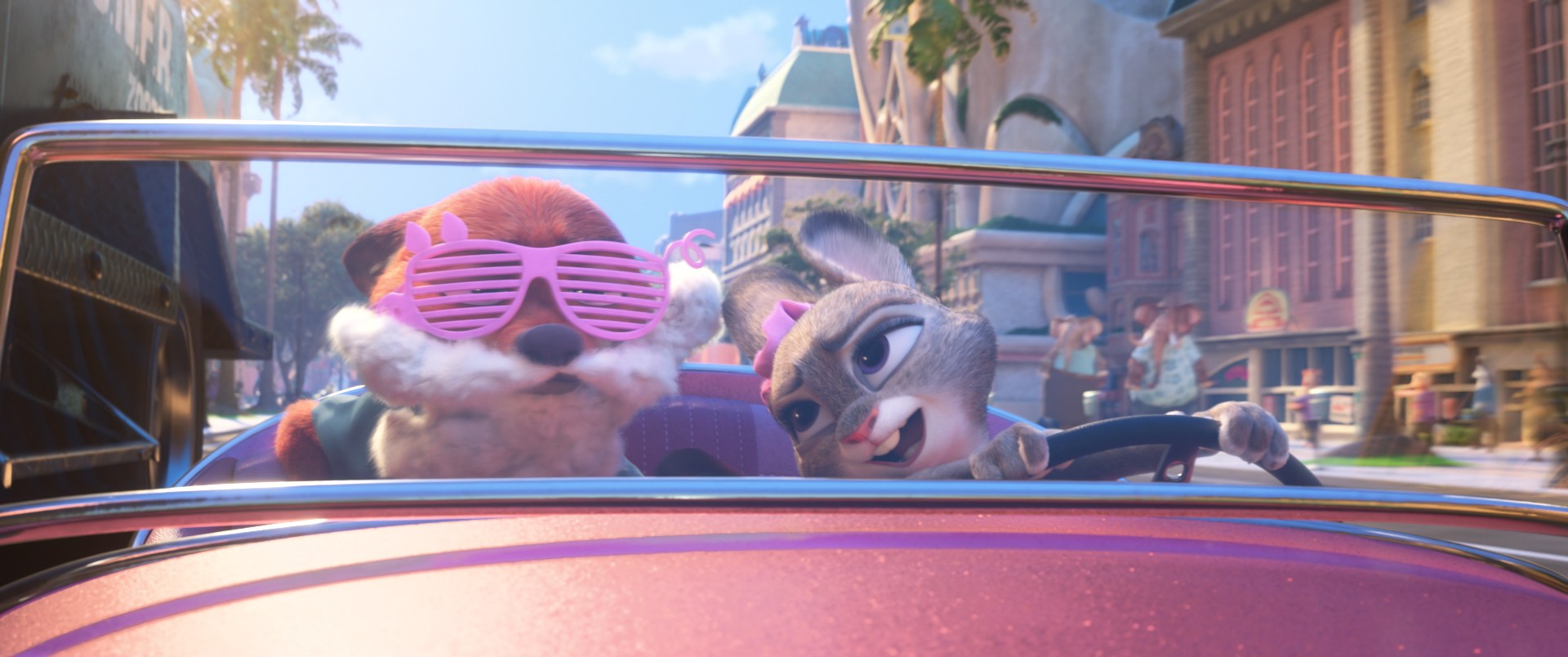
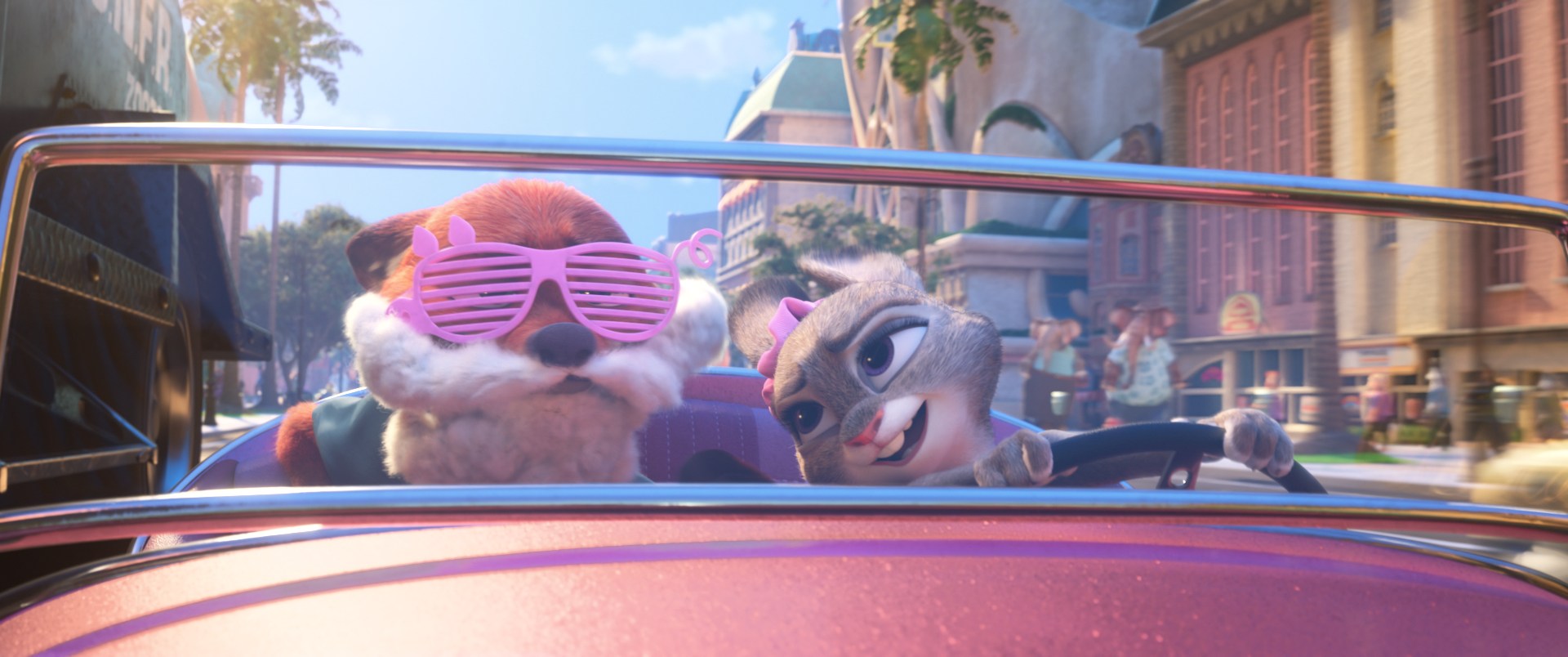
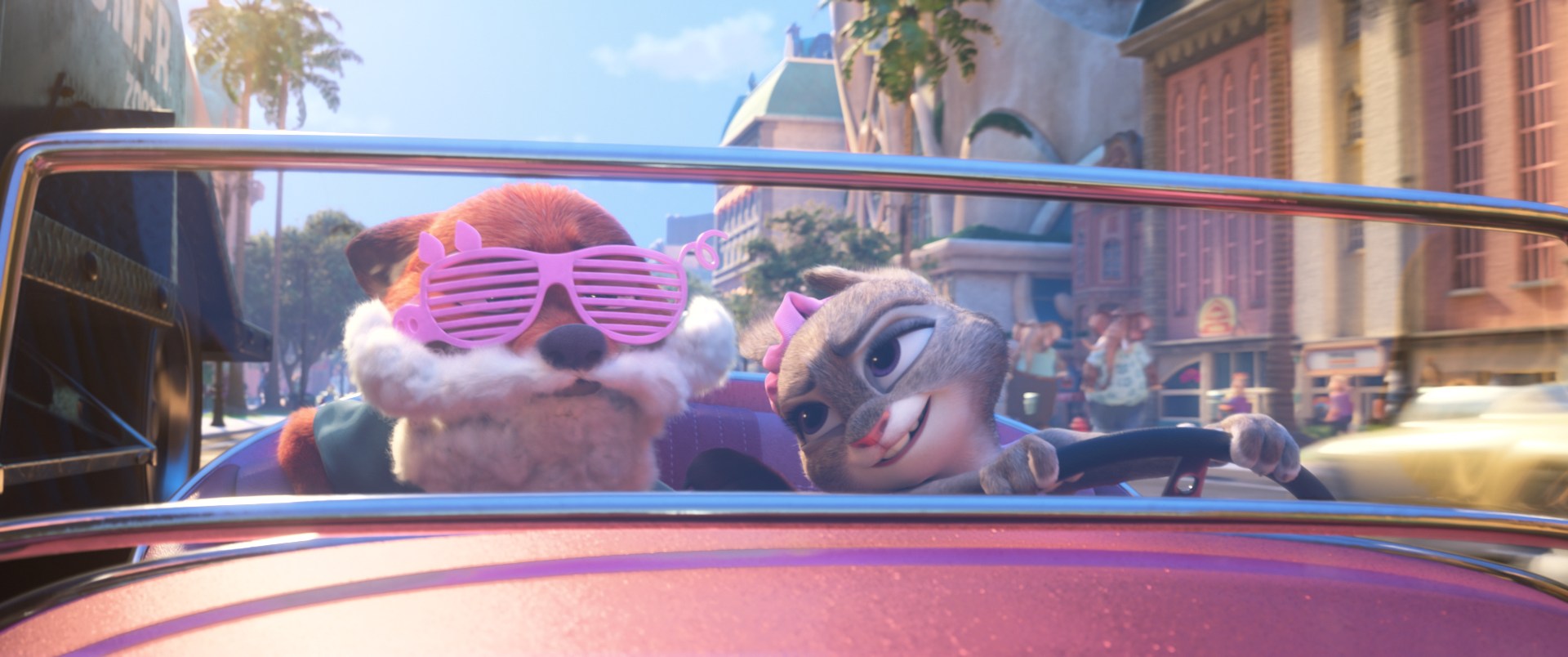
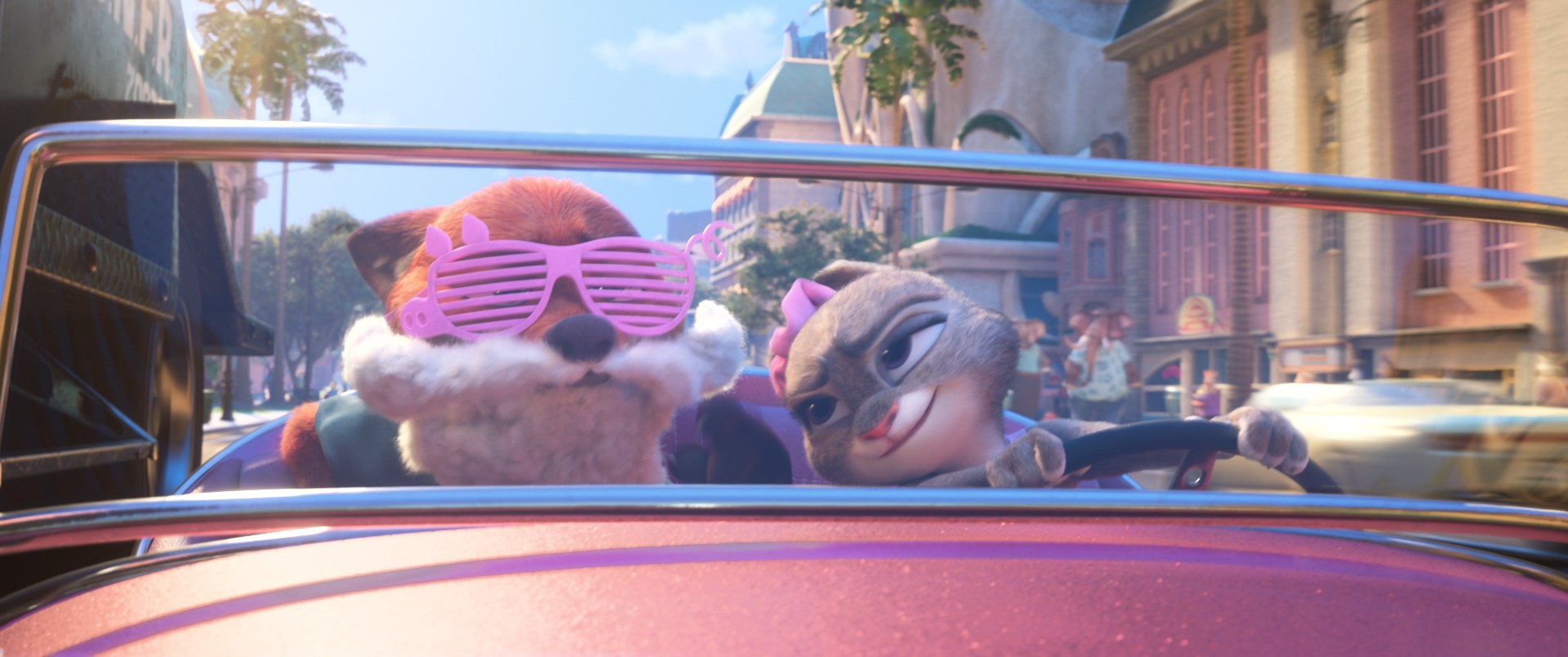
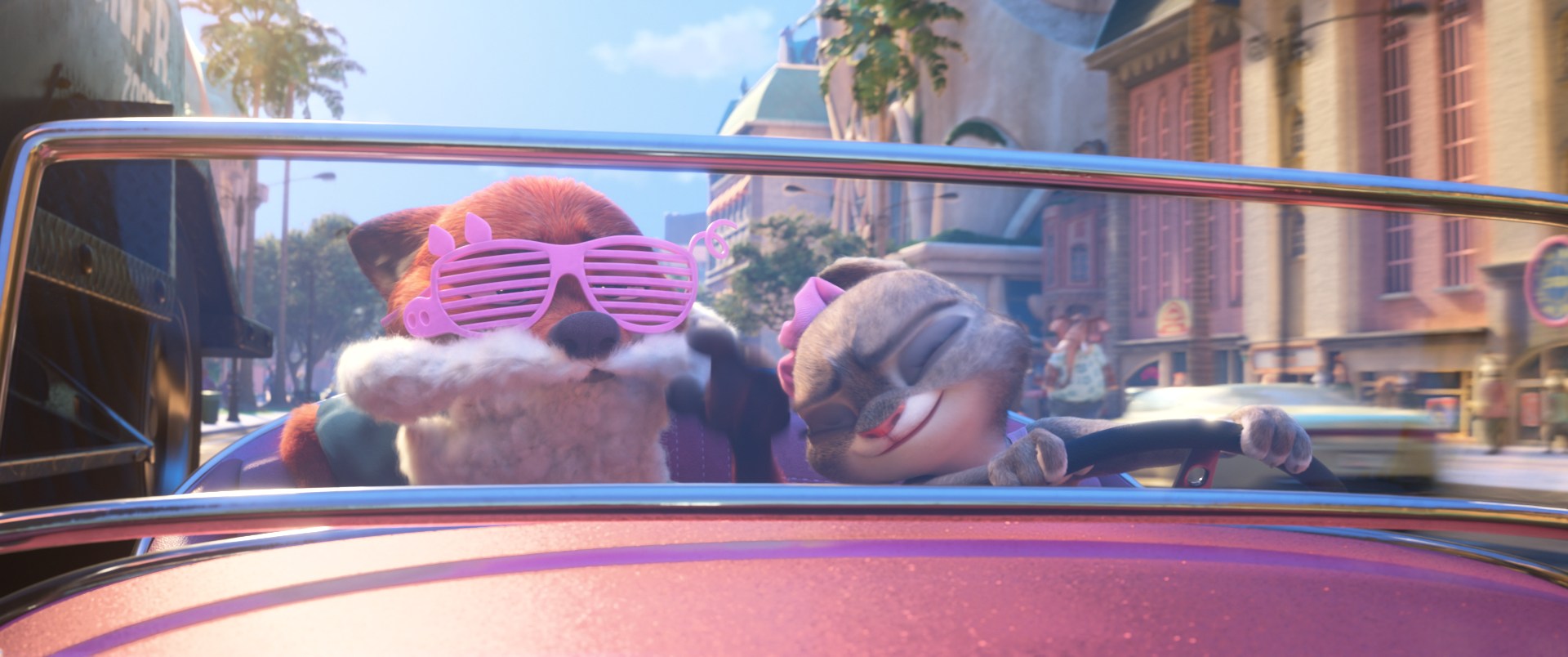
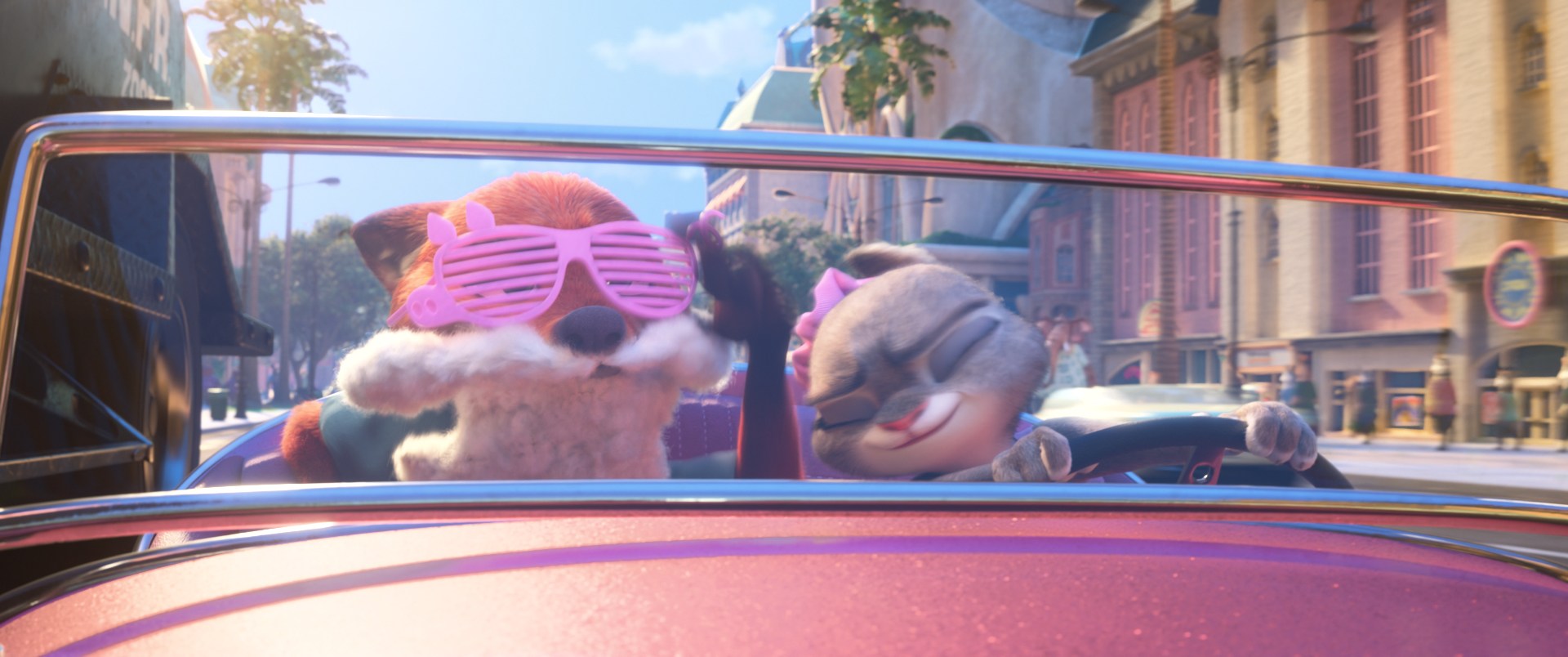
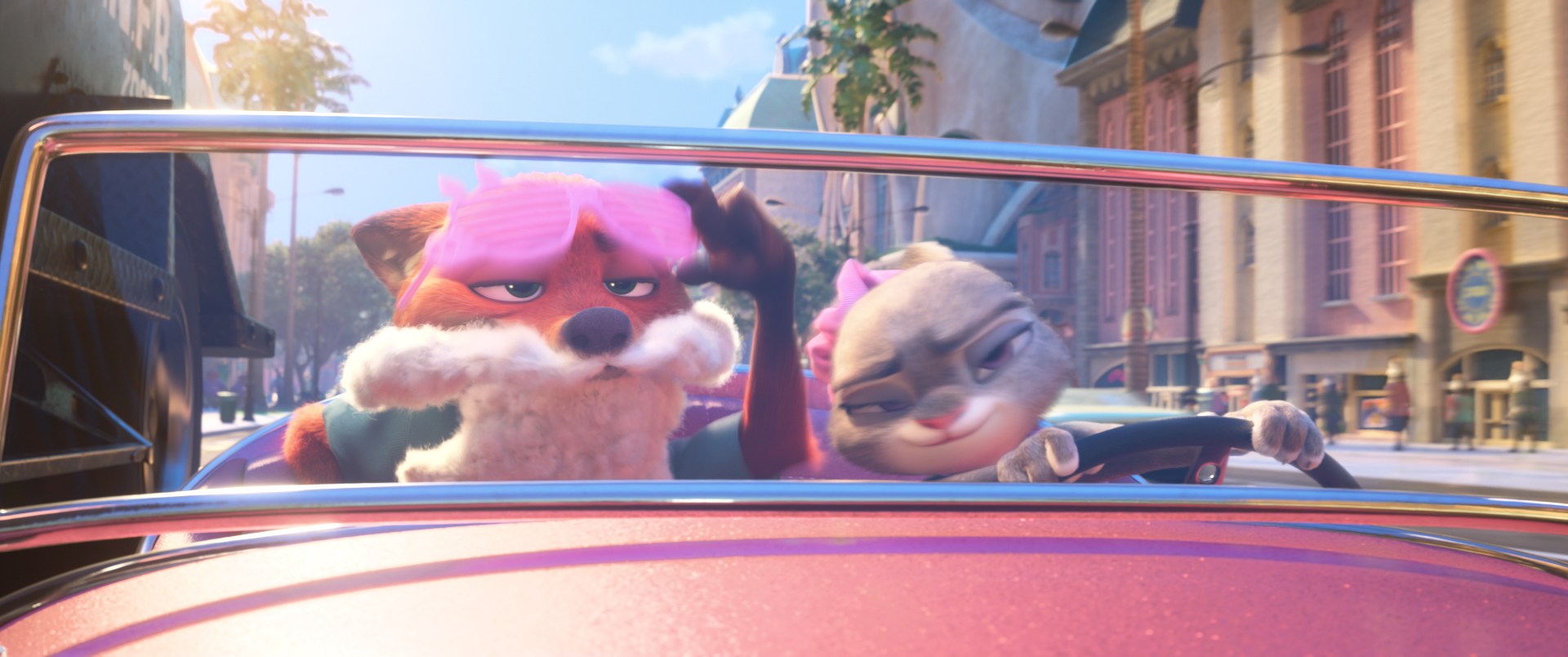
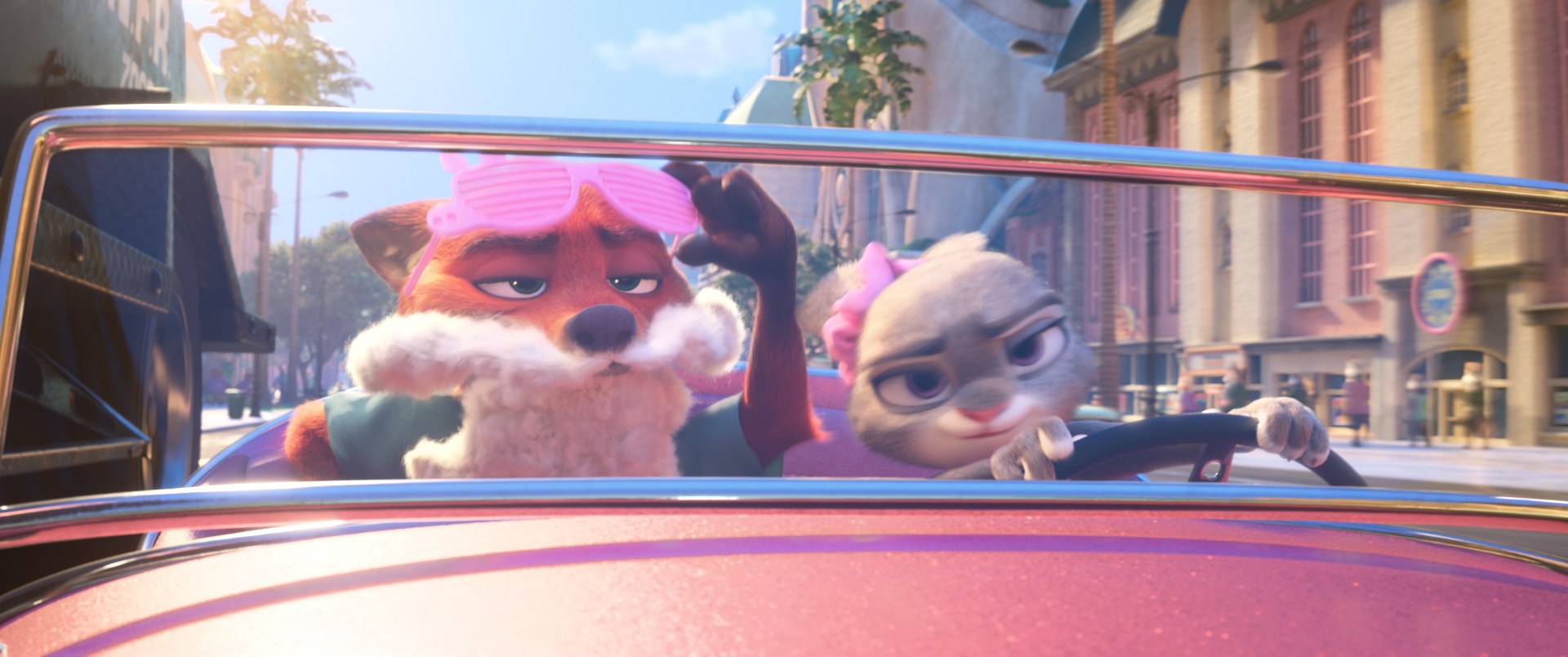
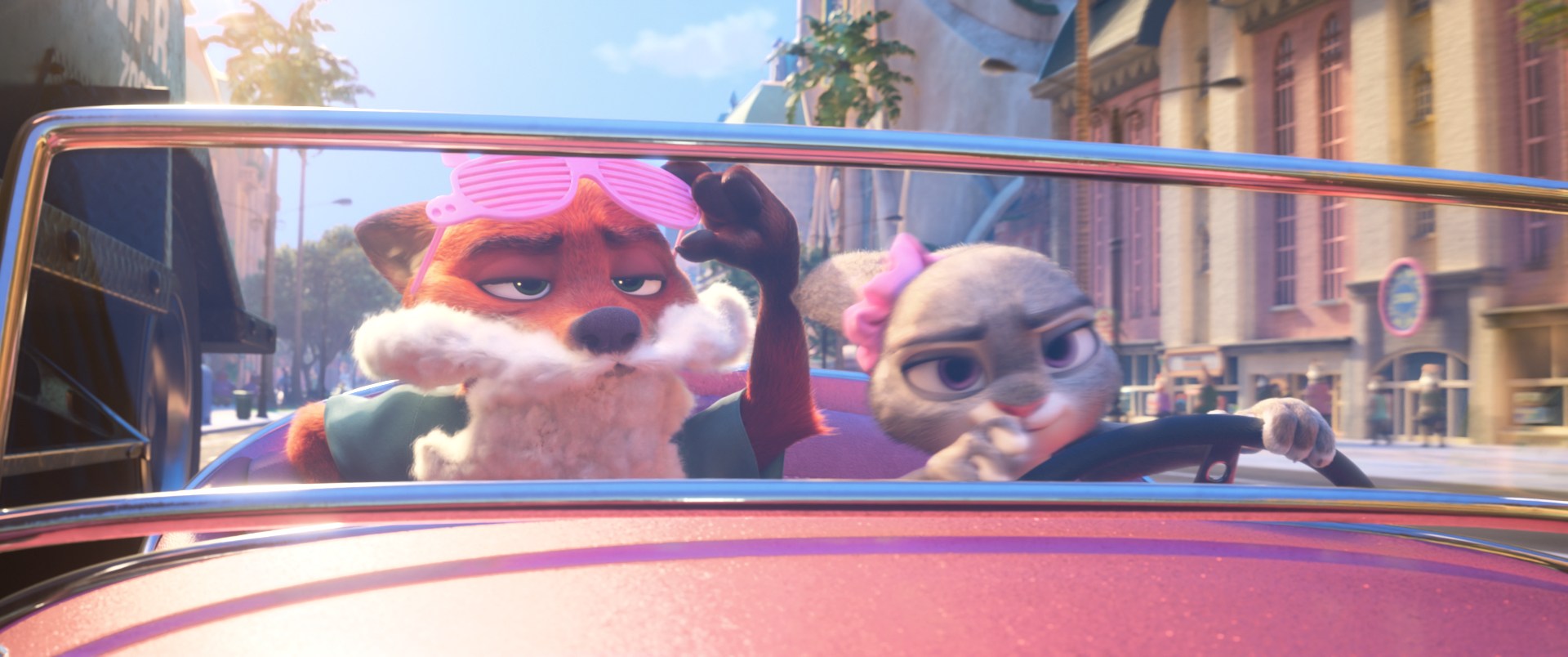
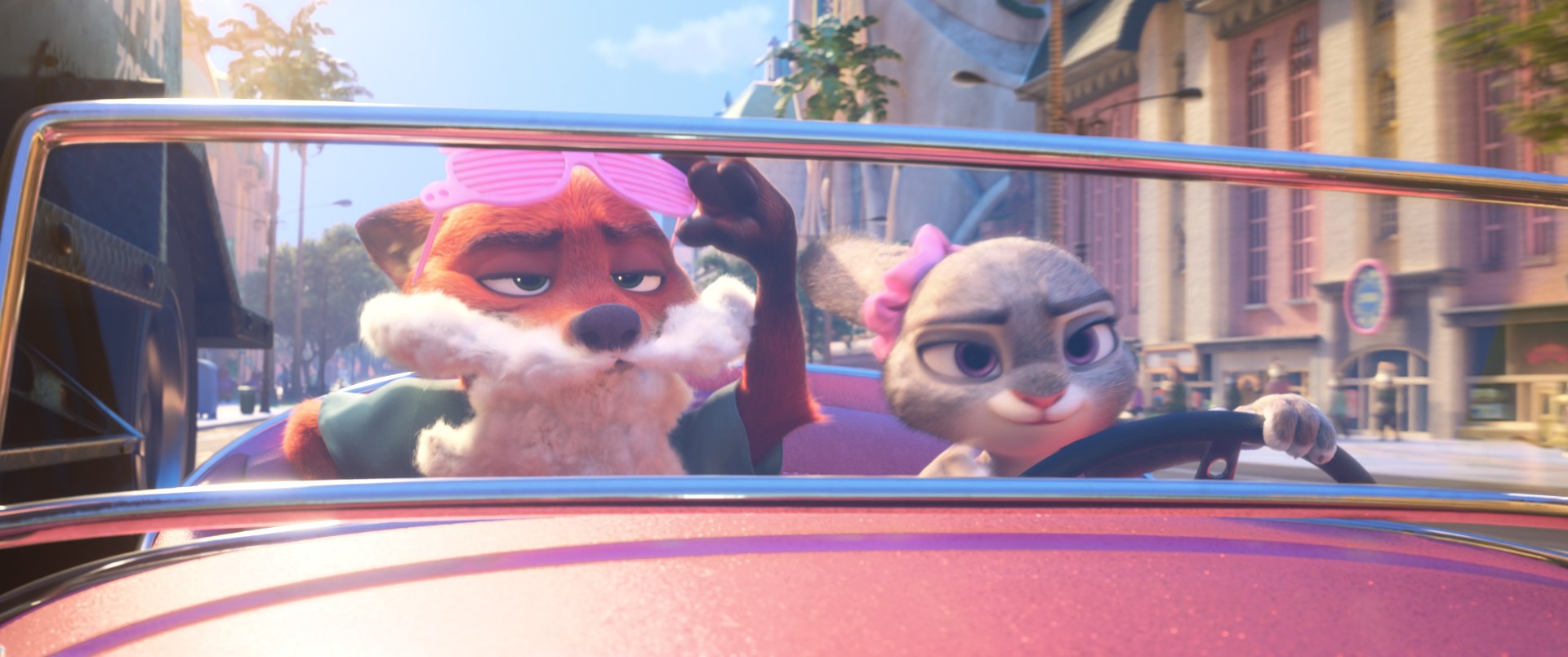
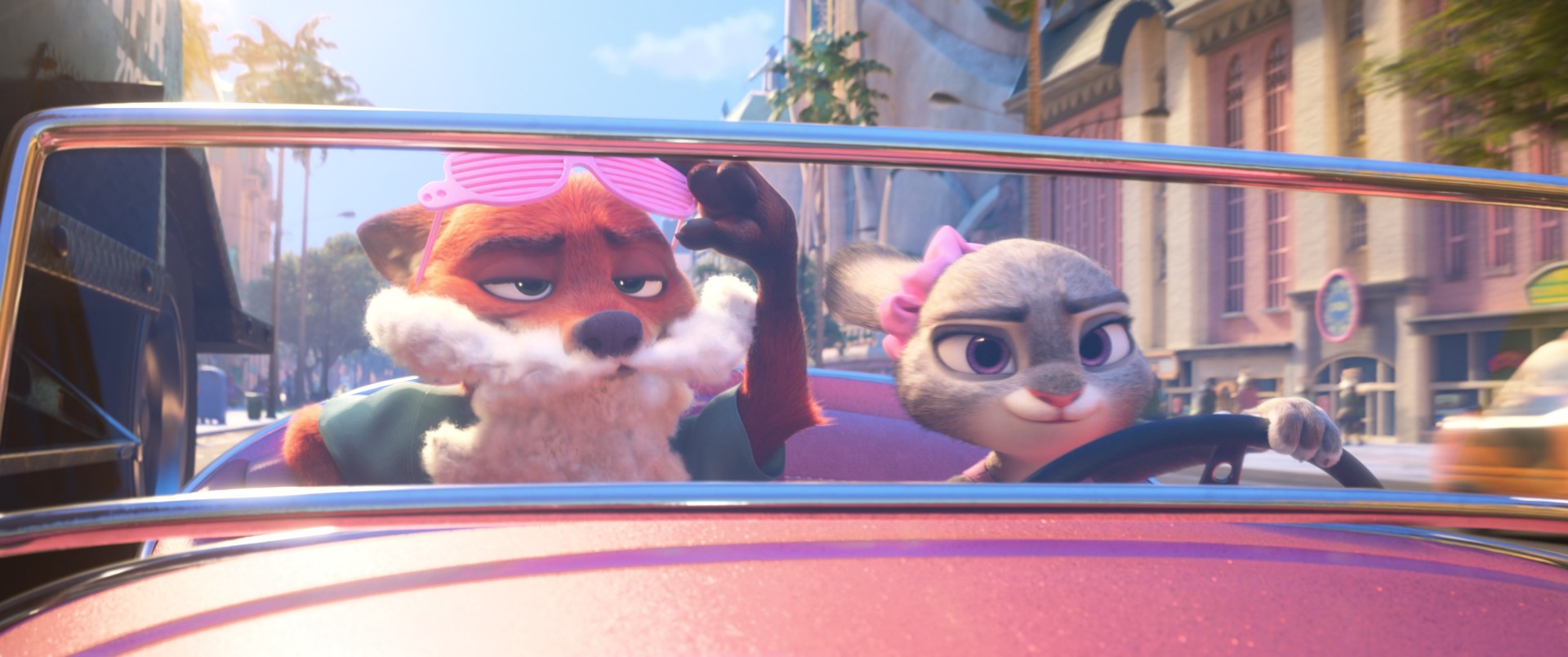
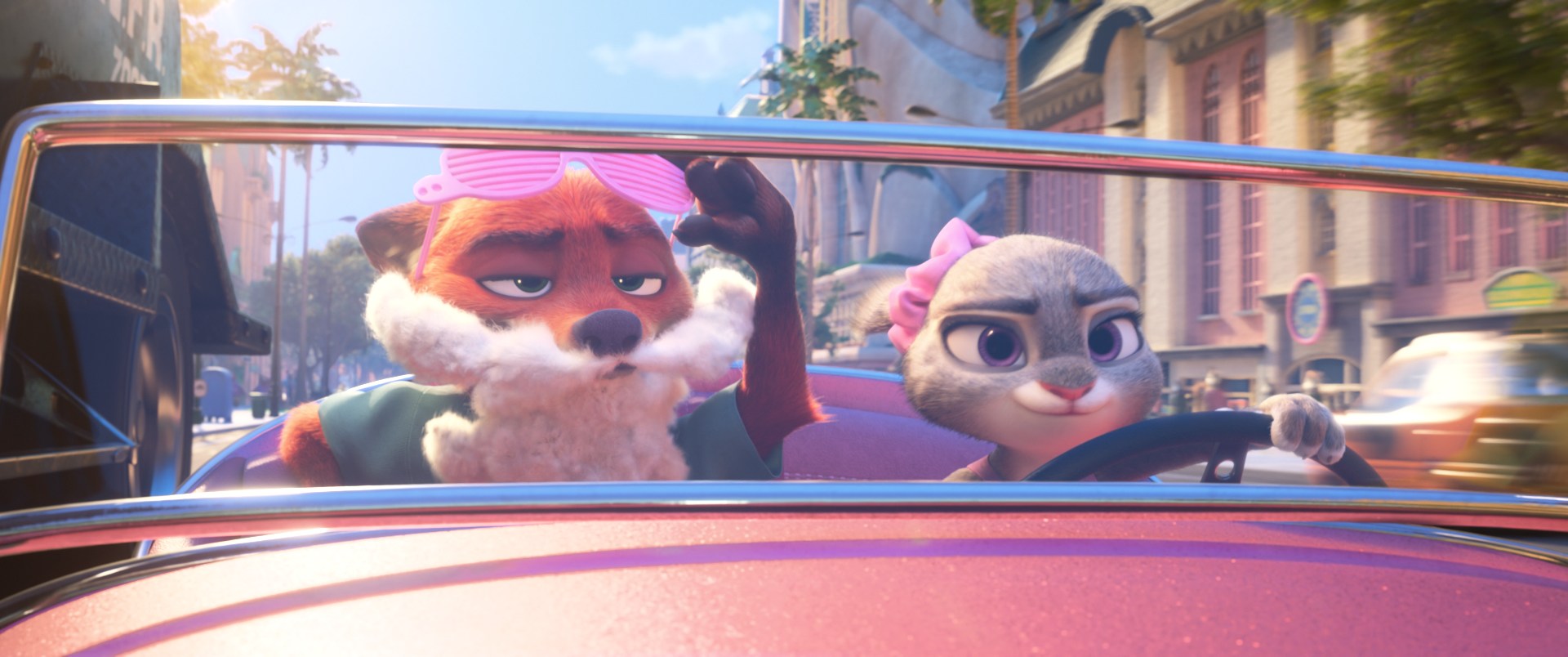
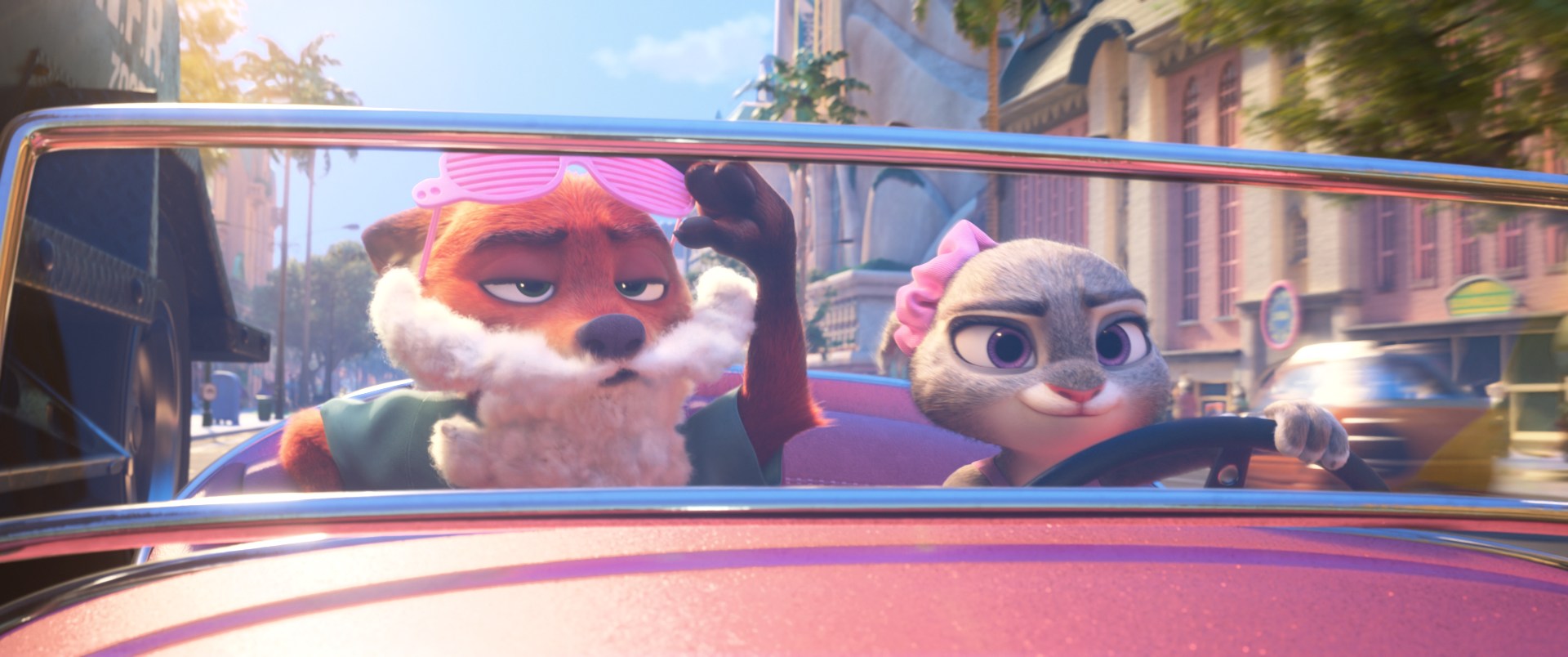
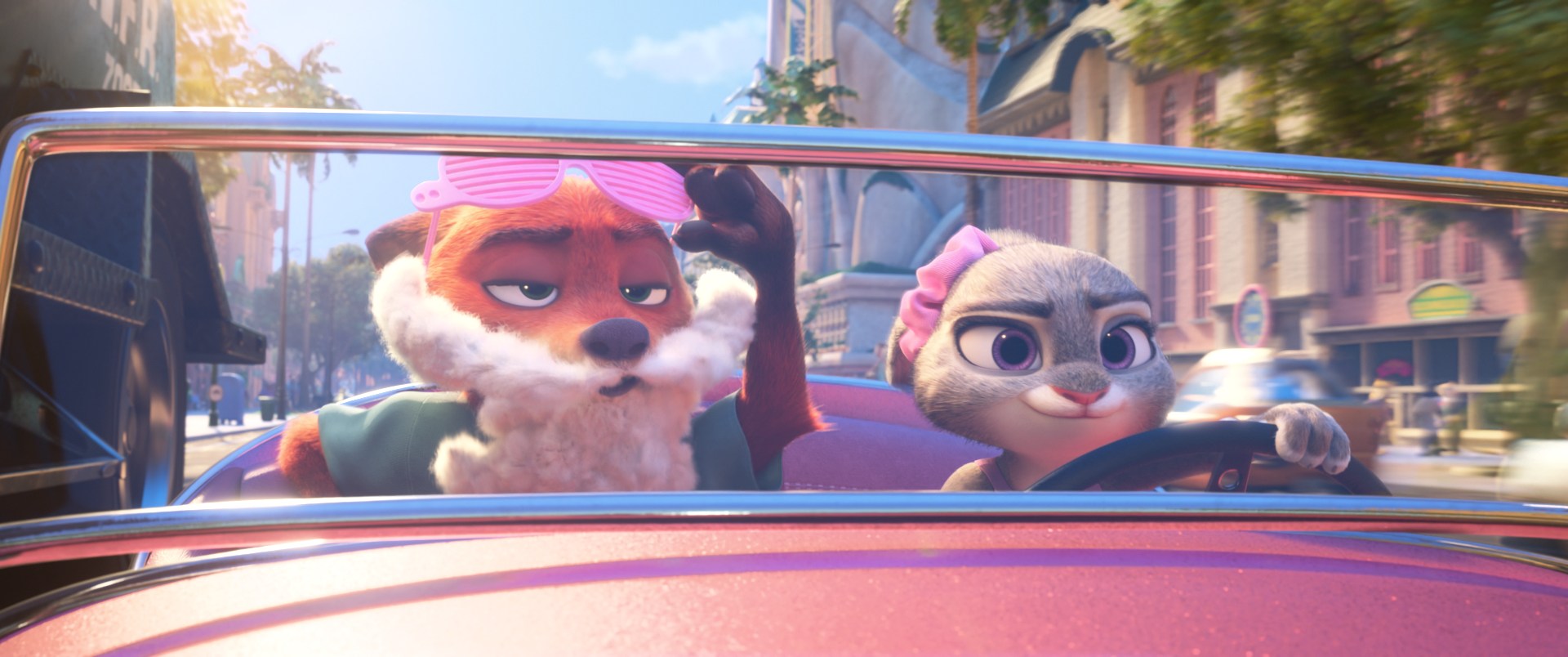
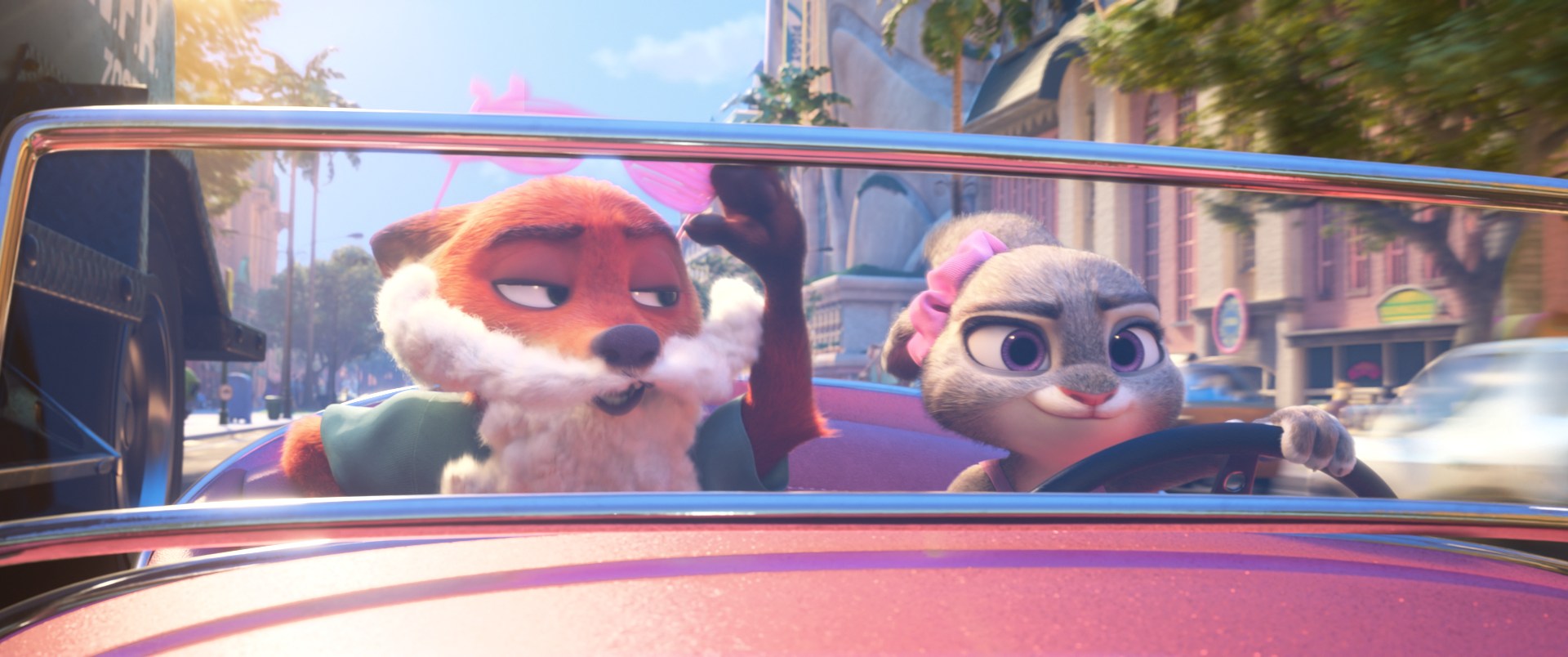
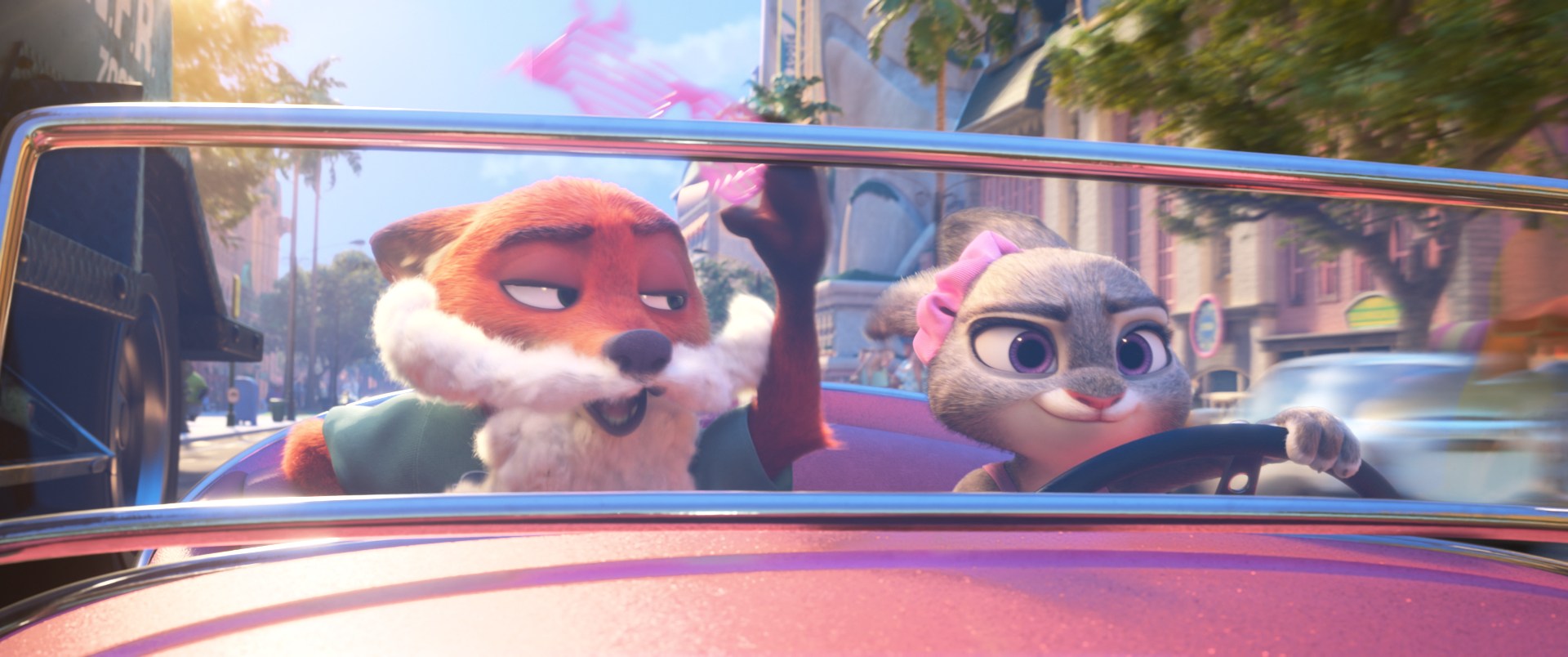
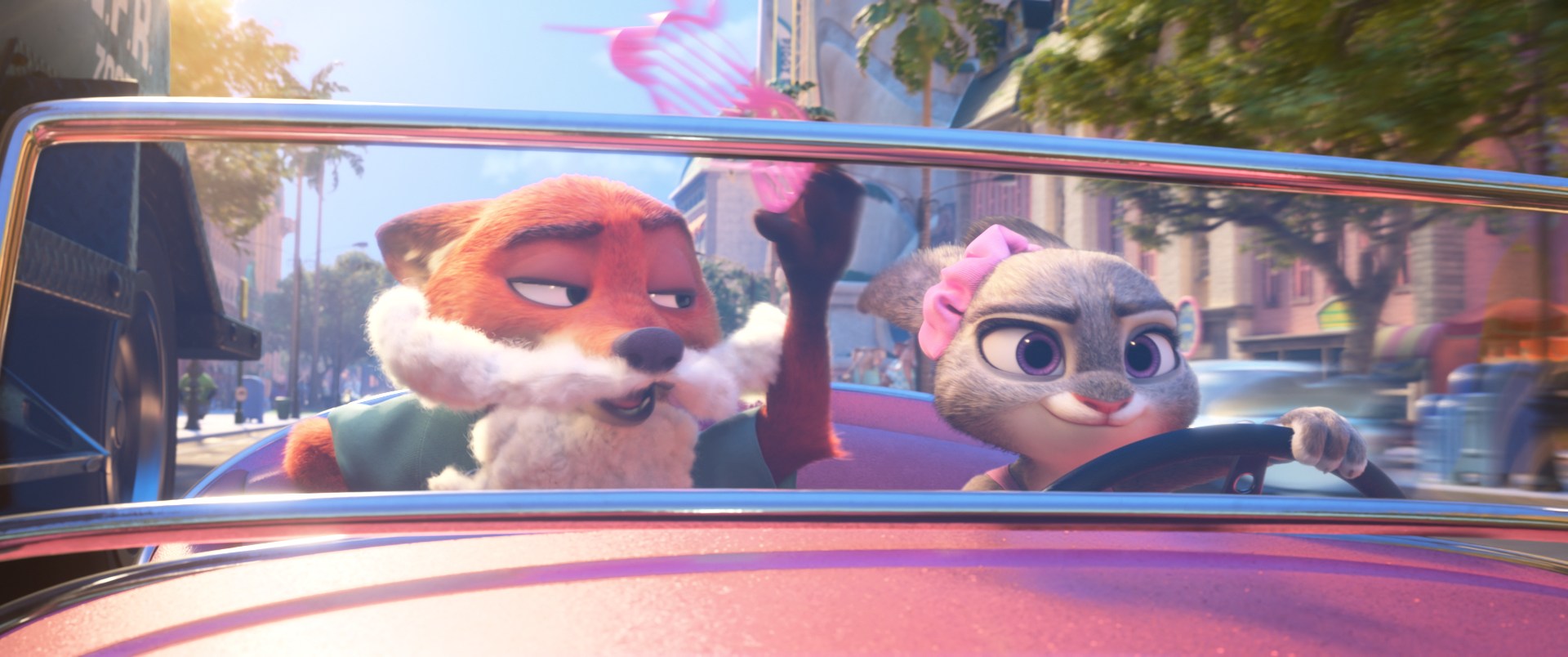
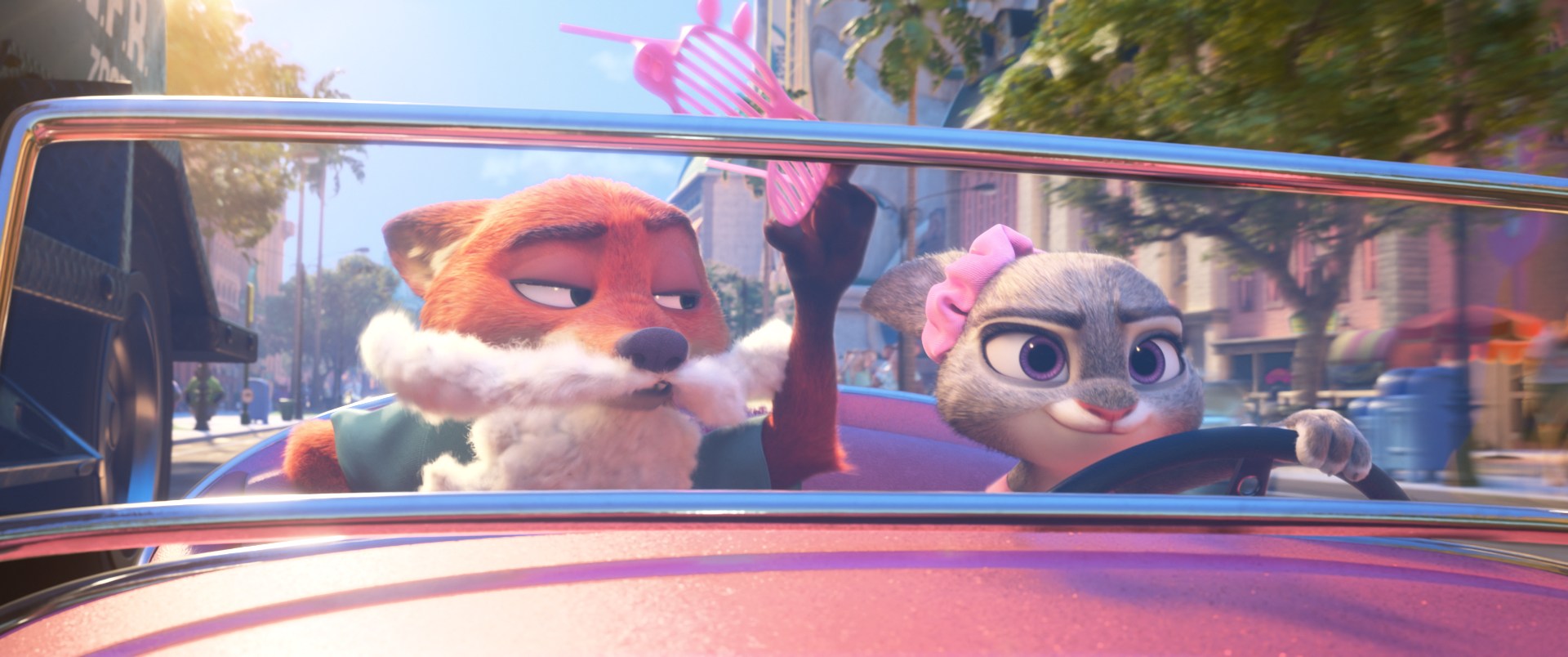
The same moment sampled one image at a time — Frame 01 onward:
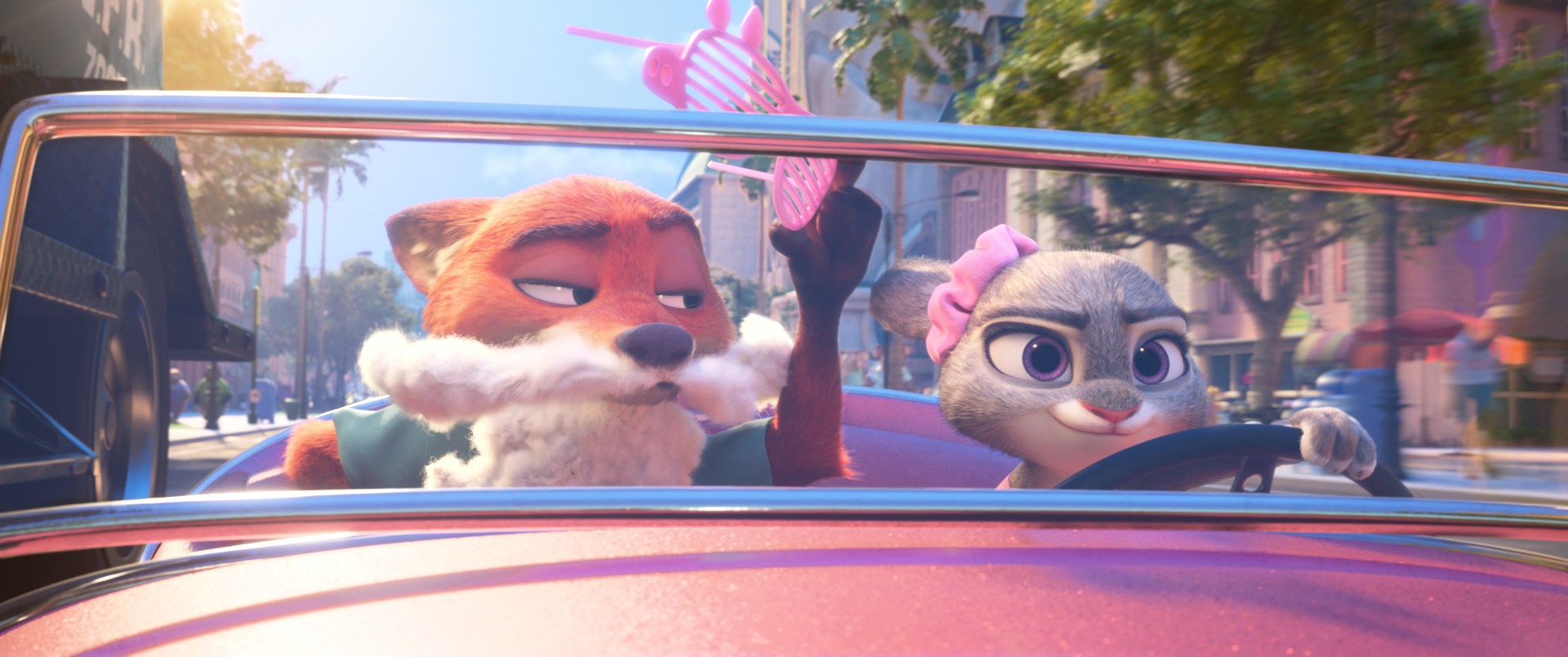
Frames: The Unit That Has to Be Rendered
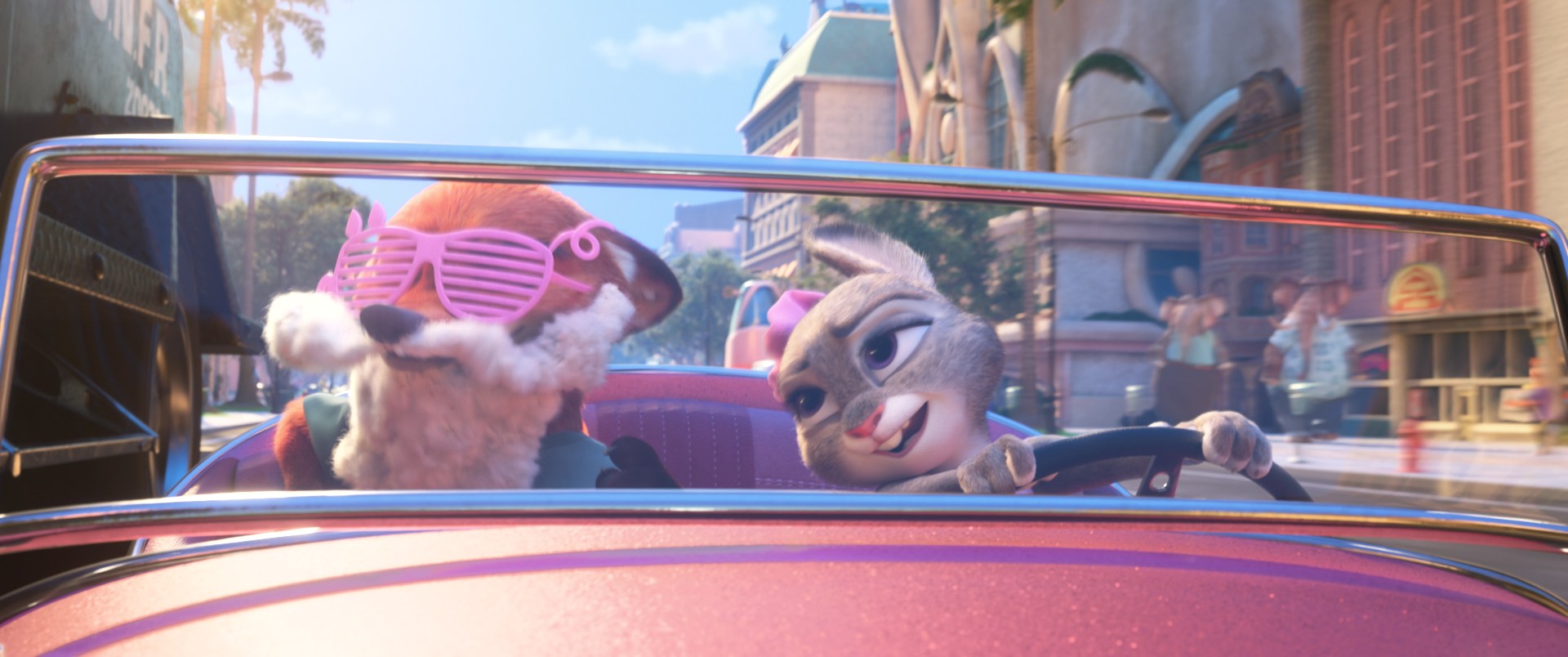
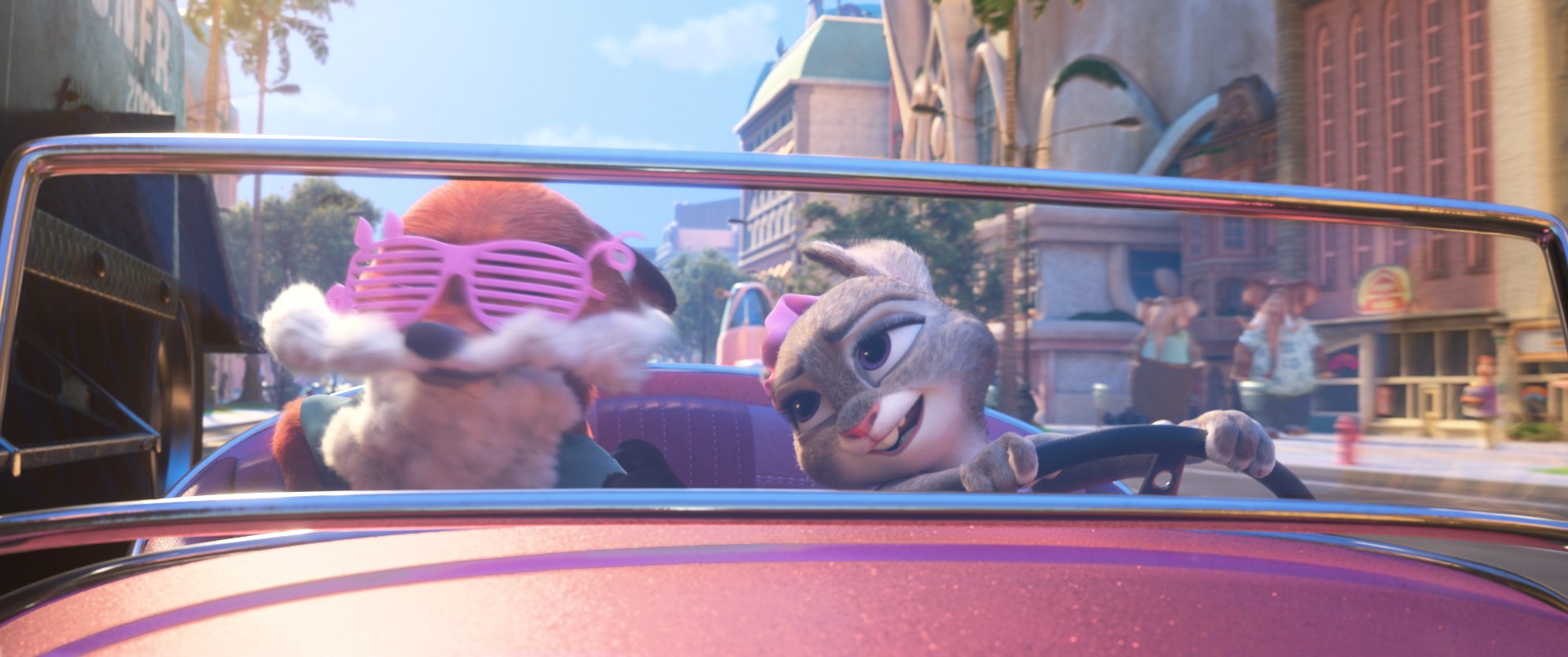
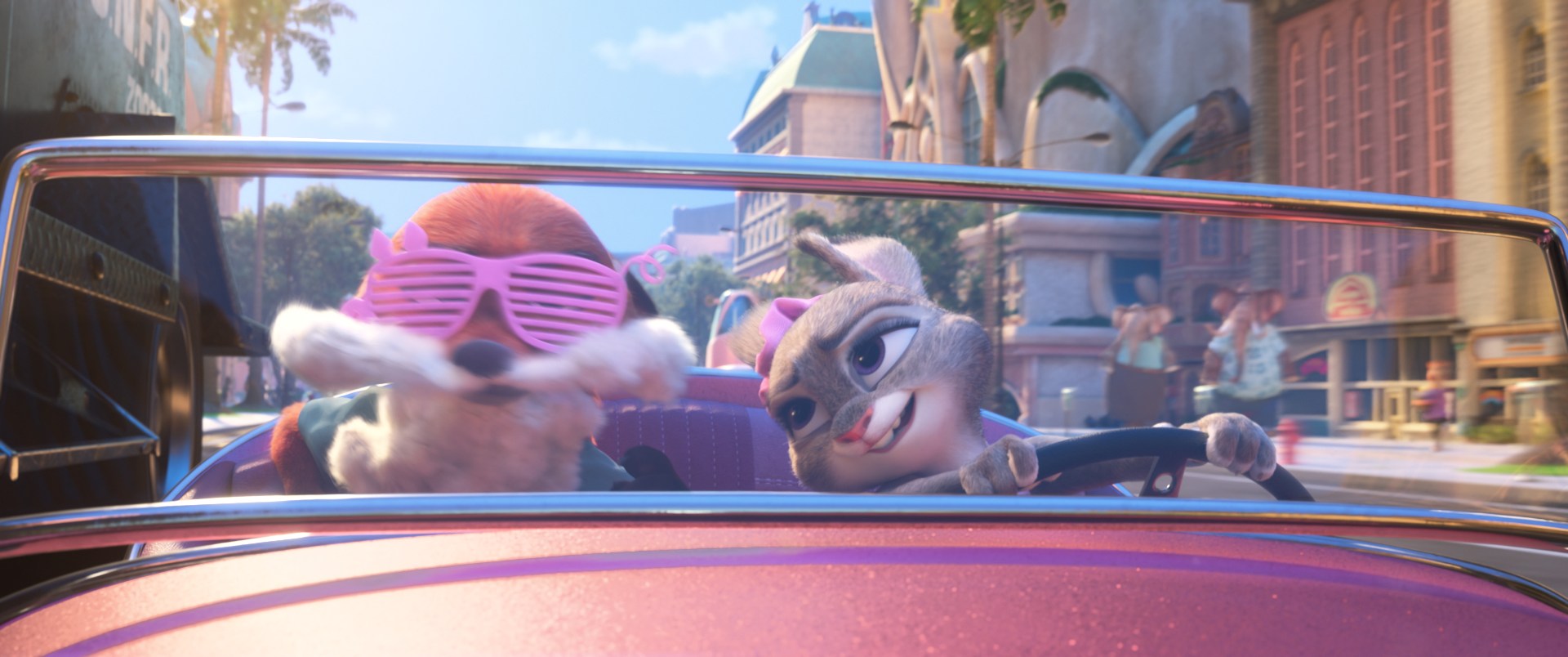
Animation is delivered at 24 frames for every second of screen time, so each frame is on screen for approximately 0.04 seconds. Measured in images instead of scenes, Zootopia 2 had 144,355 frames.
000000
Stereo 3D release adds a second pass: a left eye and a right eye view are used to create depth, and clicking the image below switches between the left-eye and right-eye versions.
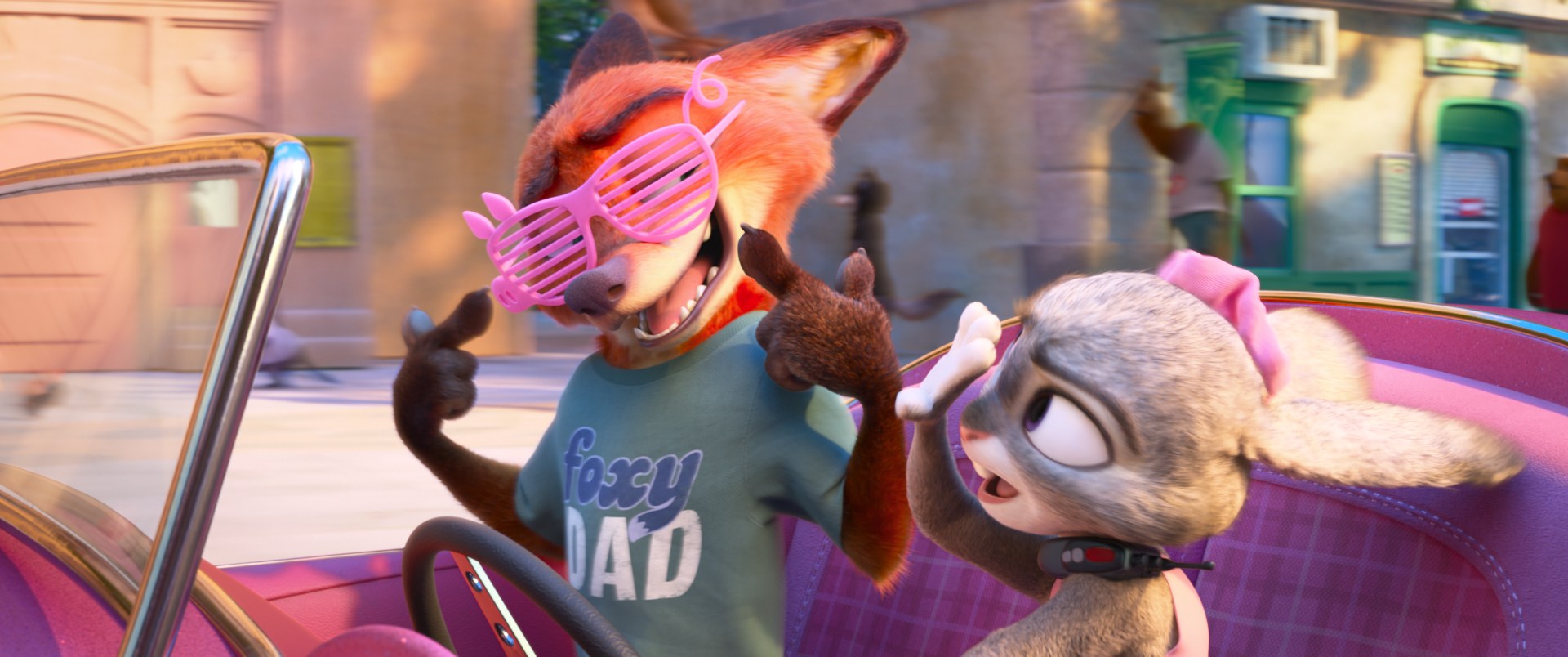
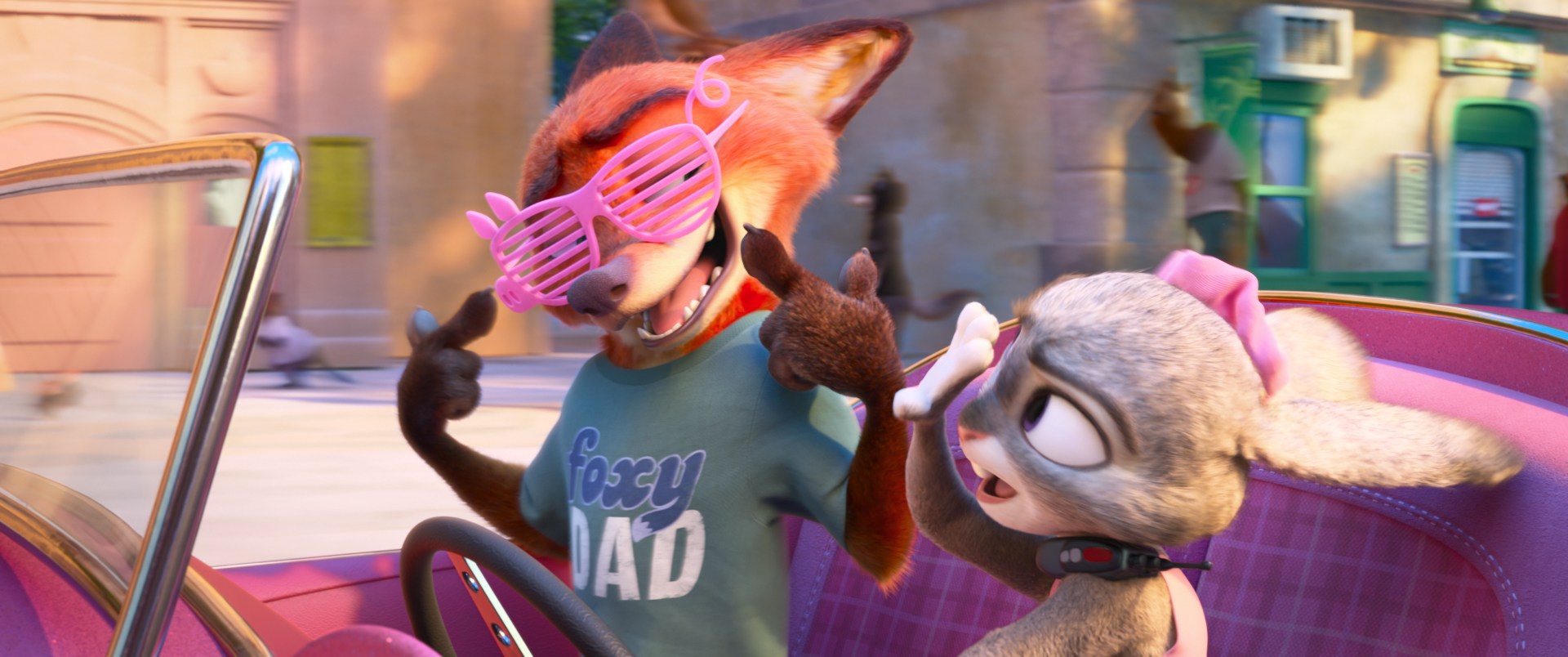
Left Eye
144355
Counting both views, there are 288,710 total frames rendered for Stereo 3D.
The same beat at two stages of the pipeline — boarded, then finished:
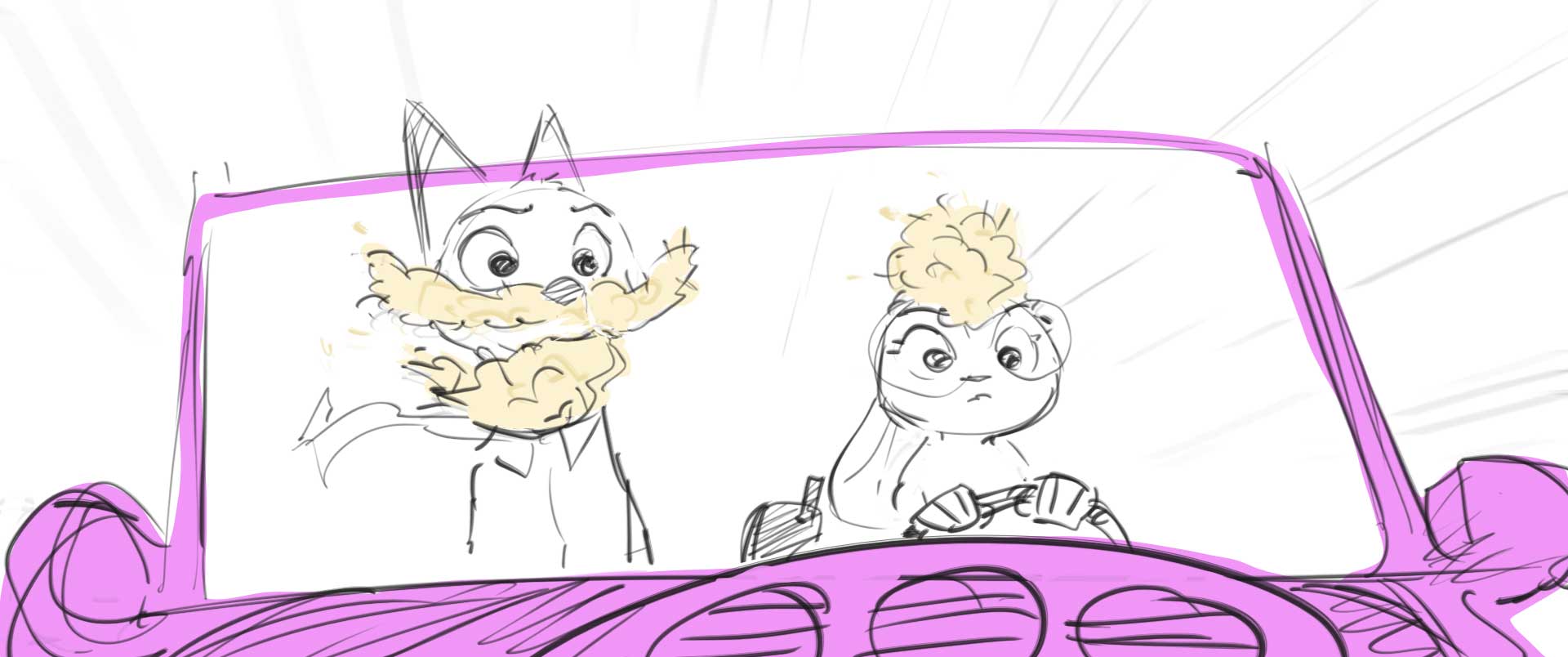
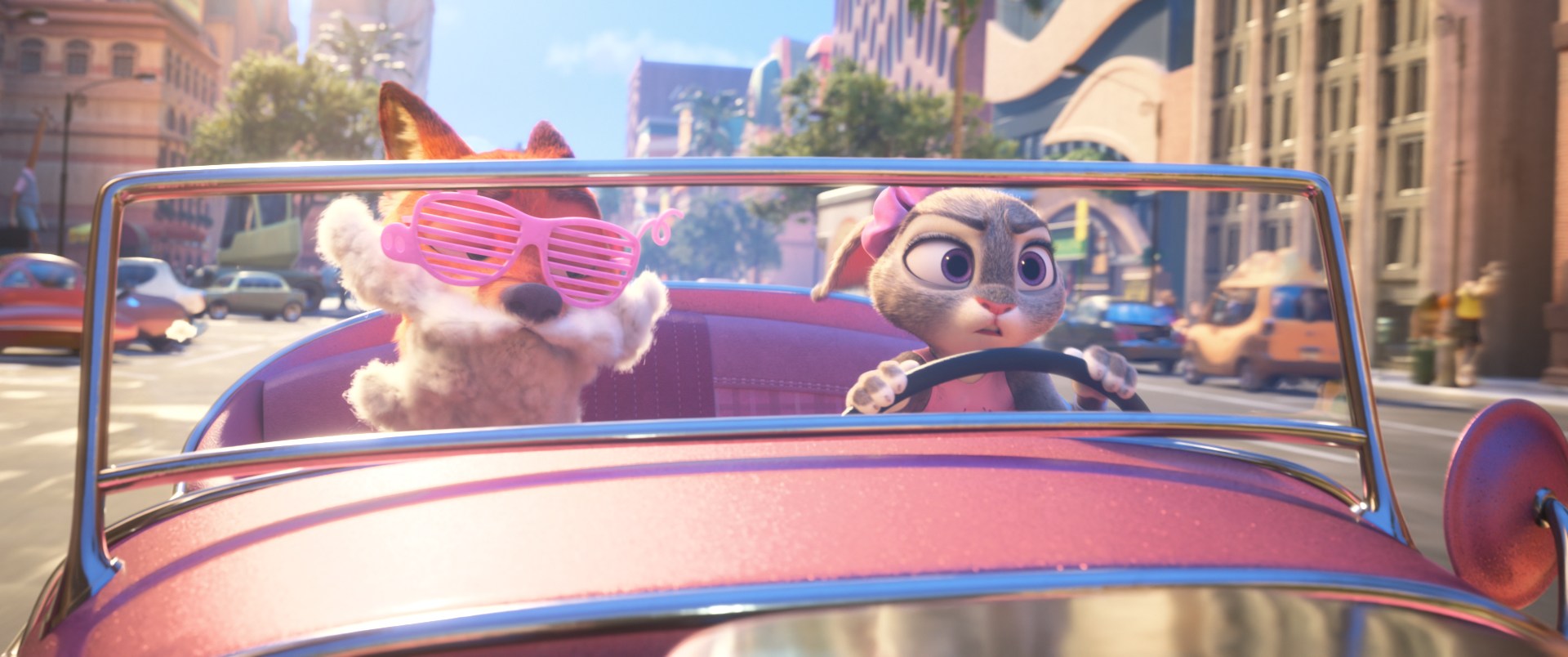
The Long Path From Storyboard to Final Frame
Roughly three to five years on average pass between a storyboard and the version of a scene that audiences finally see, and every project on that clock starts with an idea.
Development: Shaping the Story, Defining the Look
Developing the idea is the first stage of the pipeline. It is where storytellers shape the narrative and artists define how characters and worlds look, before any of the counts above exist to be tracked.
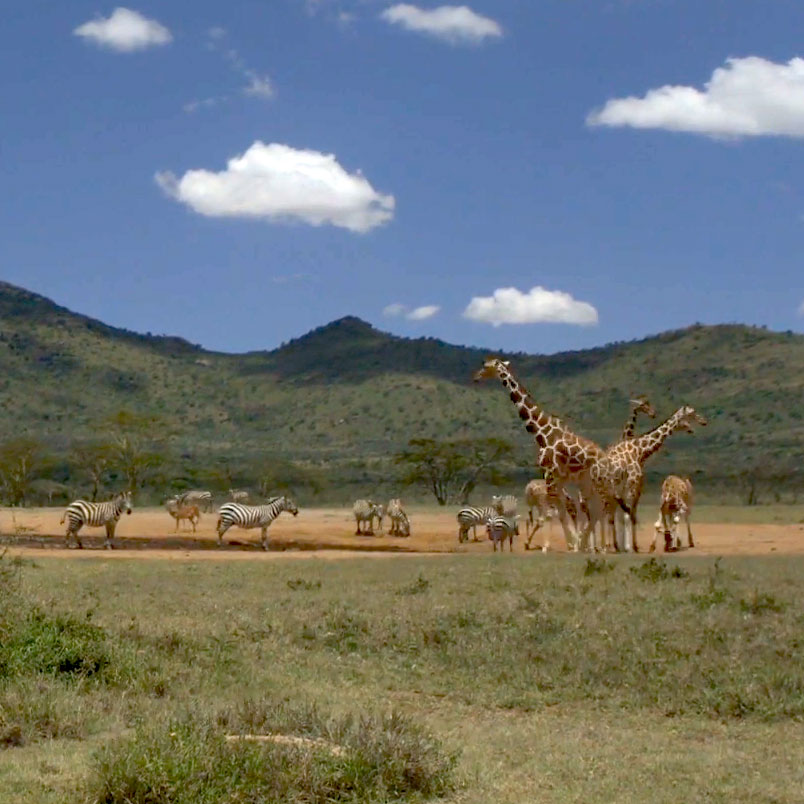
Creative Development · Development
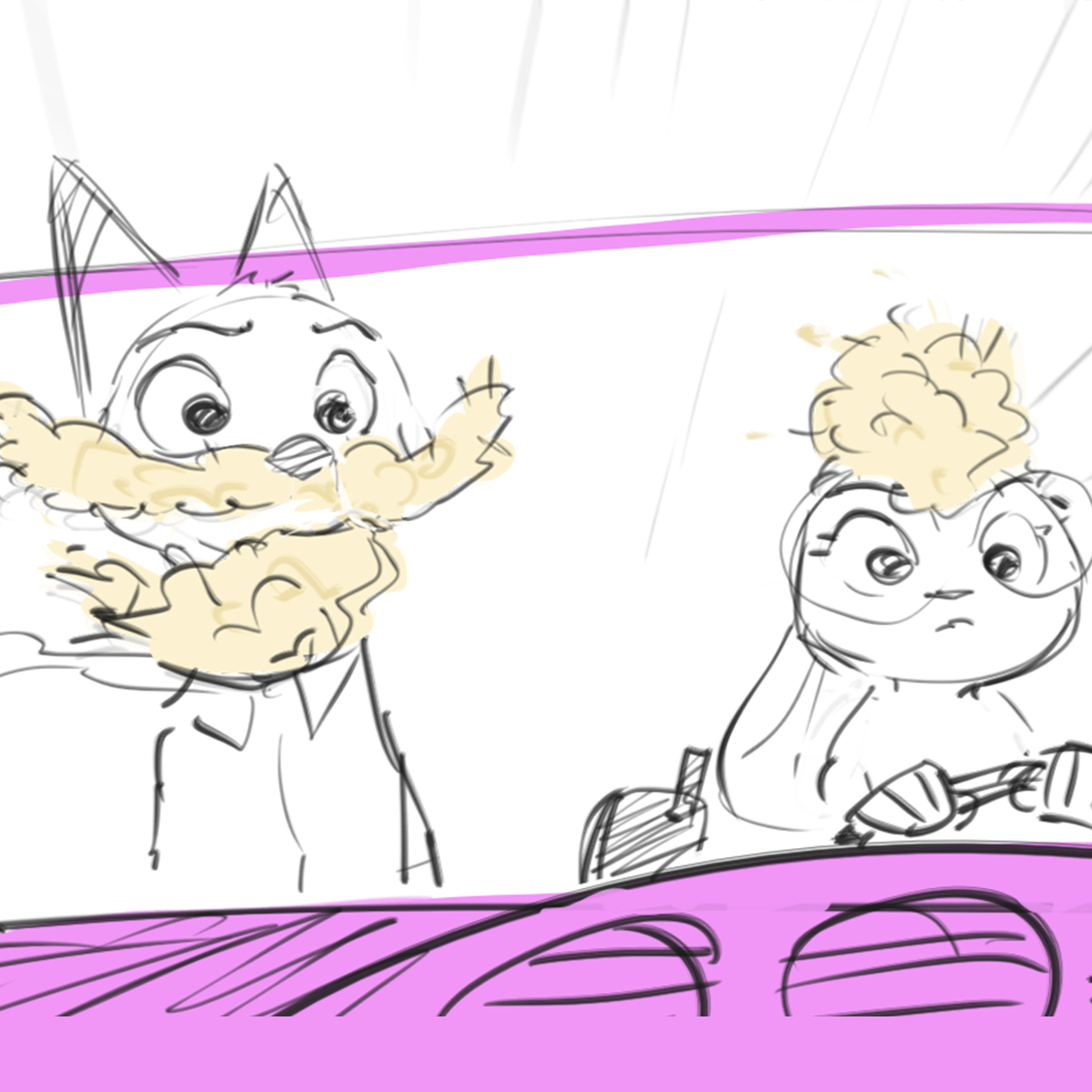
Story · Development
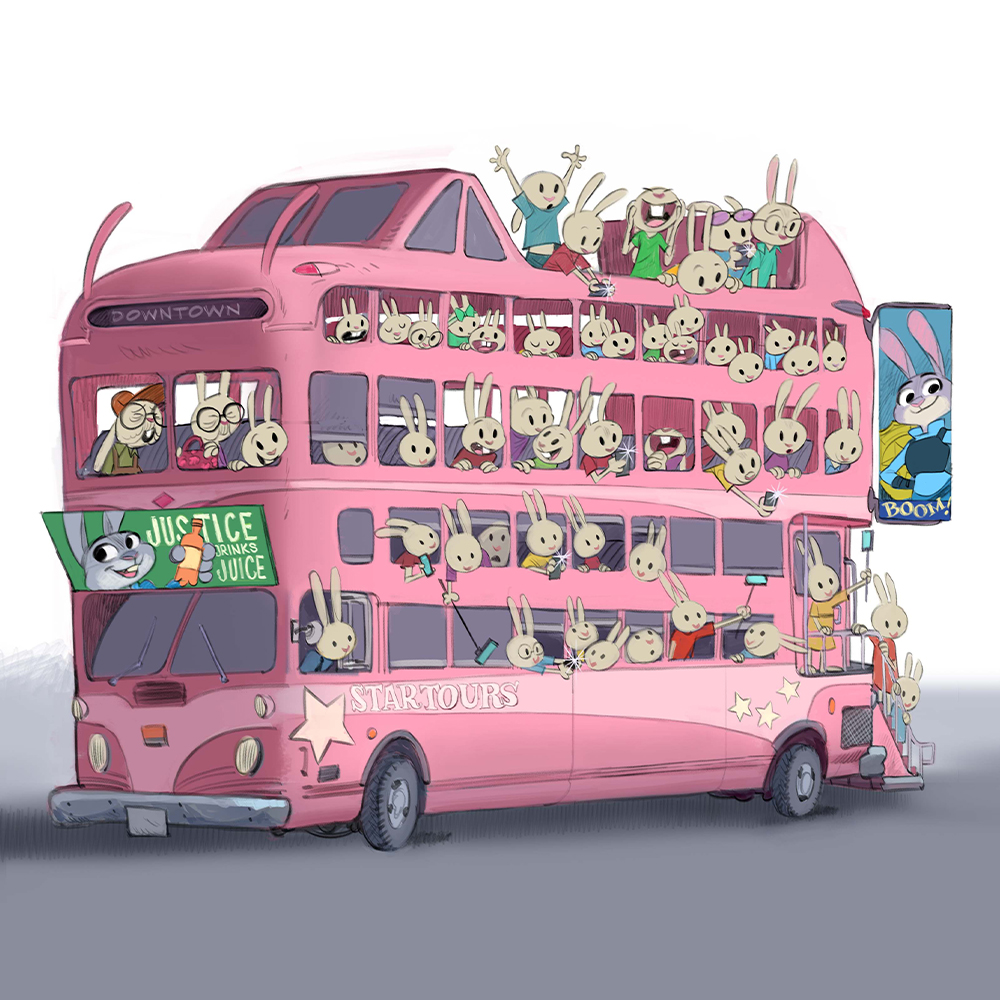
Visual Development · Development
For anyone tracking production tooling, the takeaway is structural: the deliverable is a bundle of sequences, a sequence is a bundle of shots, a shot is a bundle of frames, and every frame has to be rendered — twice over, in a Stereo 3D release. That is how 144,355 images end up carrying a runtime of 97 minutes and 30 seconds, and why the narrative and the look have to be locked in Development before the three to five years behind a final frame can be scheduled at all.