
Andrew Hill at Grab: What the Coca-Cola Move Means for F&B, FMCG and Retail Media in Southeast Asia
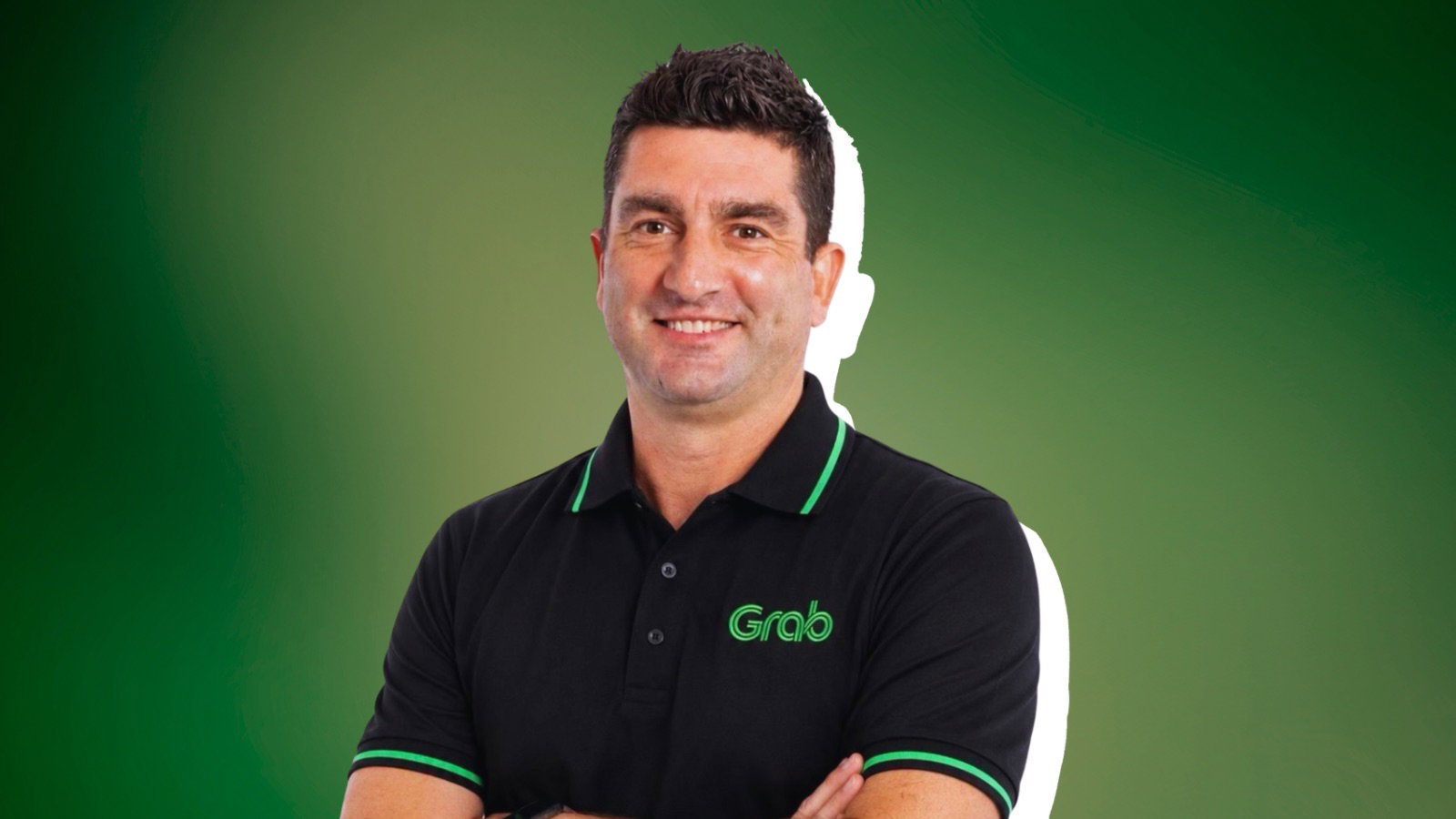
Andrew Hill’s move from Coca-Cola to Grab is best read as an operational signal: Grab wants brand-side commercial leaders who can connect shopper data, advertising, delivery and payments into one accountable path to growth for F&B and FMCG partners in Southeast Asia. The appointment itself is narrow; its implication is broader. For general readers, it shows how superapps are turning from convenience tools into measurement and distribution layers for everyday goods.
What Does the Appointment Actually Change?
Grab has named Andrew Hill, a former Coca-Cola senior director, as head of regional strategic accounts for F&B and FMCG. The move follows his departure from the beverage giant. Hill announced the appointment in a LinkedIn post, saying he wanted to work alongside leaders in retail media, unlock the potential of shopper data and build partnership ecosystems after leaving Coca-Cola.
According to his LinkedIn, Hill will lead strategic partnerships across Southeast Asia in the new role. He will work with some of the region’s biggest brands to help them realise greater value through Grab’s ecosystem.
This is not simply a sales title change. It puts a commercial operator inside the company’s account structure at a moment when advertising and commerce budgets are moving toward measurable retail-media networks. eMarketer’s Southeast Asia retail media spending tracker extends from 2024 to 2030, which frames the shift as a long-horizon budget problem rather than a one-year campaign experiment. The public record does not state Hill’s reporting line, budget authority, or whether his remit covers GrabFood, GrabMart, GrabAds, payments and loyalty in a single account model. Those are open variables.
Why Is a Coca-Cola Background Useful Inside Grab?
Speaking exclusively to MARKETING-INTERACTIVE, Hill said he was particularly excited about bringing people and partners together to challenge convention, rethink how the industry operates and create new sources of value.
“Having worked on the brand side, I’ve seen the opportunity firsthand. Now, being part of the Grab ecosystem, I’m excited to help turn that opportunity into reality across Southeast Asia,” he said.
His stated ambition is to help FMCG brands and F&B merchants make greater use of Grab’s ecosystem, spanning consumer insights, advertising, commerce and business solutions.
“I want us to bring strategy and execution together, solve real business challenges and build innovative partnerships that deliver meaningful value for our clients, our partners, shoppers and Grab,” he added.
A brand-side leader often has three habits that can help a platform: demand proof before buying, segment accounts by decision-maker rather than logo, and ask what metric the client can defend internally. That matters in Southeast Asia because “digital growth” can mean delivery volume, shelf visibility, loyalty spend, advertising impressions, or data clean-room access. The value of Hill’s history at Coca-Cola is not the logo on his CV; it is that he has worked inside a large consumer goods organization where budgets are contested and partnerships need commercial logic.
What Does His Career Path Reveal?
Before joining Grab, Hill spent several years at Coca-Cola. The most recent title was digital acceleration strategy and enablement senior director, a role he took from August 2023. The prior step was head of O2O strategic partnerships for ASEAN and the South Pacific, covering May 2022 to August 2023.
During his time at Coca-Cola, Hill highlighted his involvement in building the company’s partnership with Grab, including the Coke & Go initiative. He also worked on digital acceleration in New Zealand and AI enablement across ASEAN and the South Pacific.
Before joining Coca-Cola, Hill was director of sales for APAC at eCommerce intelligence firm Edge by Ascential, where he led regional sales and marketing operations. He had previously served as client director at the company, helping consumer goods manufacturers grow their eCommerce businesses. He had also held roles at Octopus Group and Woolworths Group, based in Australia.
The sequence is readable: retailer data, brand partnerships, digital acceleration, then platform account leadership. It also explains why the hire may be more than a marketing move. Grab has been expanding the commercial surface around its advertising business. Grab’s own 10 December 2024 press note on GrabAds and GroupM described an expanded partnership that adds geo-based audience signals to first-party data for media buyers across Southeast Asia. If that data-to-activation path is real, an account leader with brand-side buying experience becomes useful.
Common Misreadings to Avoid
- Misreading 1: It only affects Grab’s ad team. Not necessarily. The announcement covers strategic accounts for F&B and FMCG, a commercial remit that may touch sales, media, merchant services and platform partnerships.
- Misreading 2: Shopper data automatically becomes usable for brands. It does not. Consent, governance, aggregation, category definitions and partner access rules decide what data can become media planning.
- Misreading 3: A senior hire proves superapp dominance. It suggests intent. Execution still depends on product readiness, measurement standards and whether brand budgets can move from traditional retail to platform accounts.
What Should Brands and Merchants Do Next?
For readers without a marketing role, the practical effect may appear slowly: more targeted offers, bundle recommendations, sponsored listings, in-app coupons, and merchant packages that combine visibility with delivery or pickup. For category managers, the next 12 months are a test of whether platform partnerships can be measured without confusing correlation with causation.
| Decision question | Weak assumption | Better test |
|---|---|---|
| Should we join Grab’s strategic account program? | A senior hire means faster value. | Ask for a named commercial model, data access, campaign workflow and exit criteria. |
| What does retail media buy in Southeast Asia? | It is just ads on a superapp. | Compare reach, conversion, incremental sales, merchant cost, and measurement uncertainty by market. |
| What proof should a brand require? | First-party data proves everything. | Use holdout regions, matched merchant groups or pre/post category baselines, and disclose assumptions. |
Action Checklist Before Committing Budget
- Define the category problem: awareness, stock velocity, trial, merchant acquisition, or basket size.
- Map the channel: delivery, marketplace, in-store pickup, payment, loyalty, advertising.
- Check data rights before performance claims.
- Set one primary metric and one secondary metric; avoid using impressions as success.
- Run a small market test in one city before regional rollout.
- Review whether the partnership creates merchant value, not only platform fee.
- Document a kill-switch if the measurement does not show incremental movement.
Checklist-style decisions reduce the main risk in these moves: hiring signals direction, but direction without a measurement protocol can become expensive storytelling.
Frequently Asked Questions
Is Grab’s new role mainly advertising?
Not based on the announcement. The title covers F&B and FMCG strategic accounts and refers to consumer insights, advertising, commerce and business solutions.
Why mention Coca-Cola so often?
Because Hill built part of the Grab-Coca-Cola relationship while at Coca-Cola, including Coke & Go. His past gives him context about what a brand needs from a platform.
What is retail media?
Retail media uses a retailer or platform’s audience, inventory and transaction context to sell advertising or sponsored placements. In this case, Grab’s delivery, payments and commerce layers can create touchpoints that are closer to purchase than many social feeds.
Does this mean Grab is stronger than other platforms?
No one can conclude that from one appointment. It suggests Grab wants senior brand-side commercial leadership for key consumer categories. Competitive strength depends on execution.
Final Take: Watch the Metrics, Not the Job Title
Andrew Hill’s arrival is worth reading as a systems test. Grab is trying to connect advertising, commerce, consumer insights and business solutions for brands and merchants. Hill’s path from APAC sales at Edge by Ascential to Coca-Cola’s ASEAN and South Pacific partnerships suggests he can translate between those layers. But the meaningful outcome will be visible in specific decisions: which brands get measurable value, which merchants see better economics, and whether Grab can make partnership data useful without overstating certainty.