
ItInsightsWorld Radeon Cost Watch: AMD May Reprice GPU and GDDR6 Kits Again in November 2026
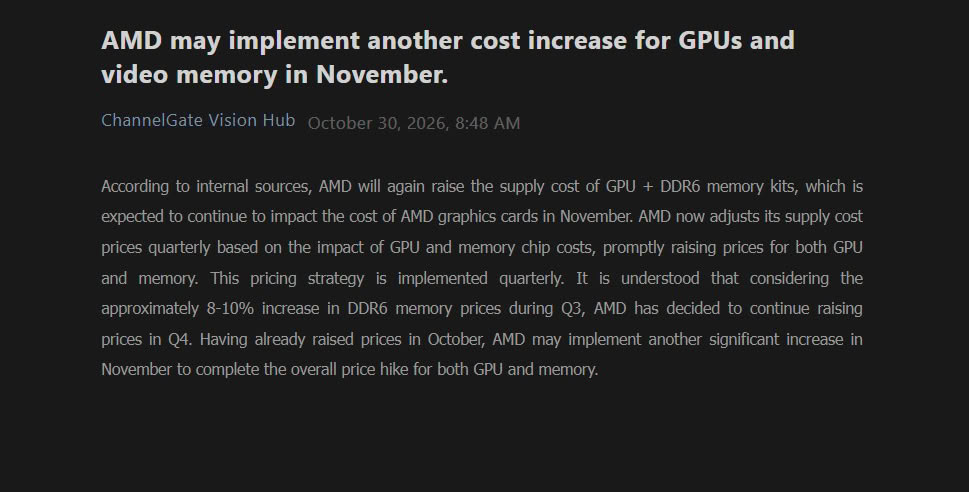
A renewed memory cost squeeze is making the Radeon price outlook less predictable. If AMD proceeds with an upstream repricing in November 2026, graphics card partners could be asked to absorb a new GPU and GDDR6 bundle adjustment barely one month after the October change. The larger backdrop is global supply pressure on storage and DRAM-related capacity, which keeps widening cost risk across the graphics market.
The signal came from a China supply chain channel
Reports first circulated through Bobantang, a hardware supply chain forum in China, before being picked up by technology outlets such as VideoCardz. The account says AMD is evaluating another adjustment to the GPU and GDDR6 memory packages it sells to board partners. It remains unconfirmed by AMD, and no exact uplift percentages have been published.
What is being repriced, and why it is not the same as a retail hike
- The target is the GPU plus GDDR6 memory kit supplied to card manufacturers including ASUS, Sapphire and XFX.
- This is upstream component pricing, not a direct increase on boxed retail graphics cards.
- Partner purchasing cost rises first; any consumer-facing impact would depend on production, distribution and inventory turnover.
- Supply chain data had already placed GDDR6 memory price increases at about 8% to 10% in Q3 2026. AMD had changed supply pricing on October 1, so a November move would compress two adjustments into a very short window.
The root cause: AI demand is competing with graphics memory
The central driver is the expansion of global AI infrastructure. Servers and data centers are consuming more storage and DRAM resources, pushing major manufacturers such as Samsung, SK Hynix and Micron to prioritize high-margin HBM and server memory. GDDR6 and HBM are different products, yet they compete for overlapping DRAM manufacturing capacity, which affects the supply picture for consumer graphics memory.
That dynamic has already altered procurement conditions. Supply chain chatter indicates that GDDR6 spot prices rose to several times their earlier level after late 2025. Card makers felt the pressure first, while AMD held supplier pricing relatively steady for a period. As earlier procurement arrangements rolled off, higher memory costs began moving more visibly into partner purchase terms.
Which Radeon products may feel it most
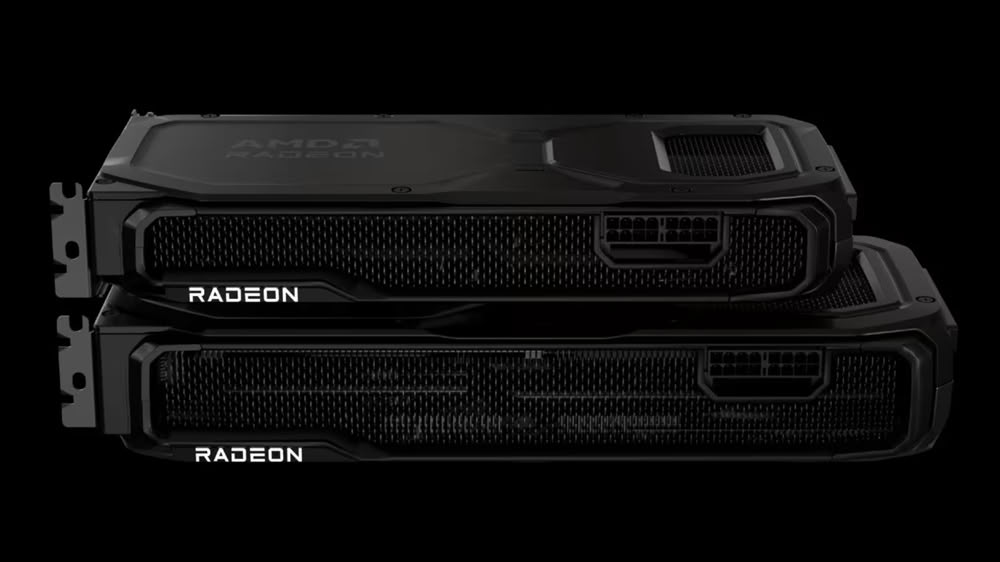
Attention is focusing on the Radeon RX 9000 family. These products use RDNA 4 graphics, rely entirely on GDDR6 memory, and include models equipped with 16GB of VRAM. For those cards, memory is a meaningful share of the parts list, so a change in GDDR6 input cost matters directly.
Retail prices have already started moving
Hardware Unboxed surveyed graphics card retail pricing across 10 countries. Its October 2026 data showed a global average graphics card selling price increase of about 10% from the prior month. The Radeon RX 9060 XT 16GB stood out with a 17% increase, while the RX 9070 and RX 9070 XT each rose by about 12%.
| Observed item | Reported change |
|---|---|
| Global average graphics card selling price, October 2026 | about 10% |
| Radeon RX 9060 XT 16GB | 17% |
| RX 9070 and RX 9070 XT | about 12% |
Those figures describe street prices, not the chip supply prices AMD sets for partners. Card makers, distributors and retailers sit between the two, so a rise in upstream kit pricing does not automatically pass through in identical proportion.
The sequence of adjustments so far
- AMD had already raised supply prices in August and October 2026.
- The August increase was described as at least 10%.
- The October 1 adjustment moved GPU and related product supply pricing again.
- If November brings another GPU and GDDR6 kit change, partners could face another cost revision barely one month after the previous adjustment, and the market would be moving through several rounds of repricing in a short period.
What is still unknown
- Which exact GPU models or board partner SKUs would be covered.
- Whether different GDDR6 capacities would see different percentage increases.
- How quickly ASUS, Sapphire, XFX and other partners would apply any revised pricing by region.
- How long existing inventory bought under older cost terms might delay retail impact.
From supplier terms to the shopping season
Consumers rarely see contract price changes the same day. Cards already built or already distributed with components purchased at older costs can keep shelves moving at previous prices for a time. The pressure builds as that inventory clears and newer batches arrive. If a November 2026 adjustment takes effect, the more visible effect could arrive around December shopping activity, when demand is concentrated and retailers are rotating stock.
Beyond Radeon itself, the broader graphics market is dealing with rising GPU die costs, memory costs, advanced packaging and manufacturing expenses. AI data center demand is reshaping the supply chain for traditional PC hardware. For AMD, passing higher memory procurement cost to partners is one way to protect margins, but the real limit is whether shoppers accept higher Radeon prices and what competing graphics options do with their own pricing.
The conclusion for buyers and channel watchers is simple: the Radeon RX 9000 series may not have reached a stable price floor. With GDDR6 supply cost still moving upward, a November 2026 repricing of GPU and memory kits would increase the chance of more expensive cards before the year ends.