
AI Plush Toys Head to Head: Doubao vs Grem Trade-Offs, Risks, and a Parent Checklist
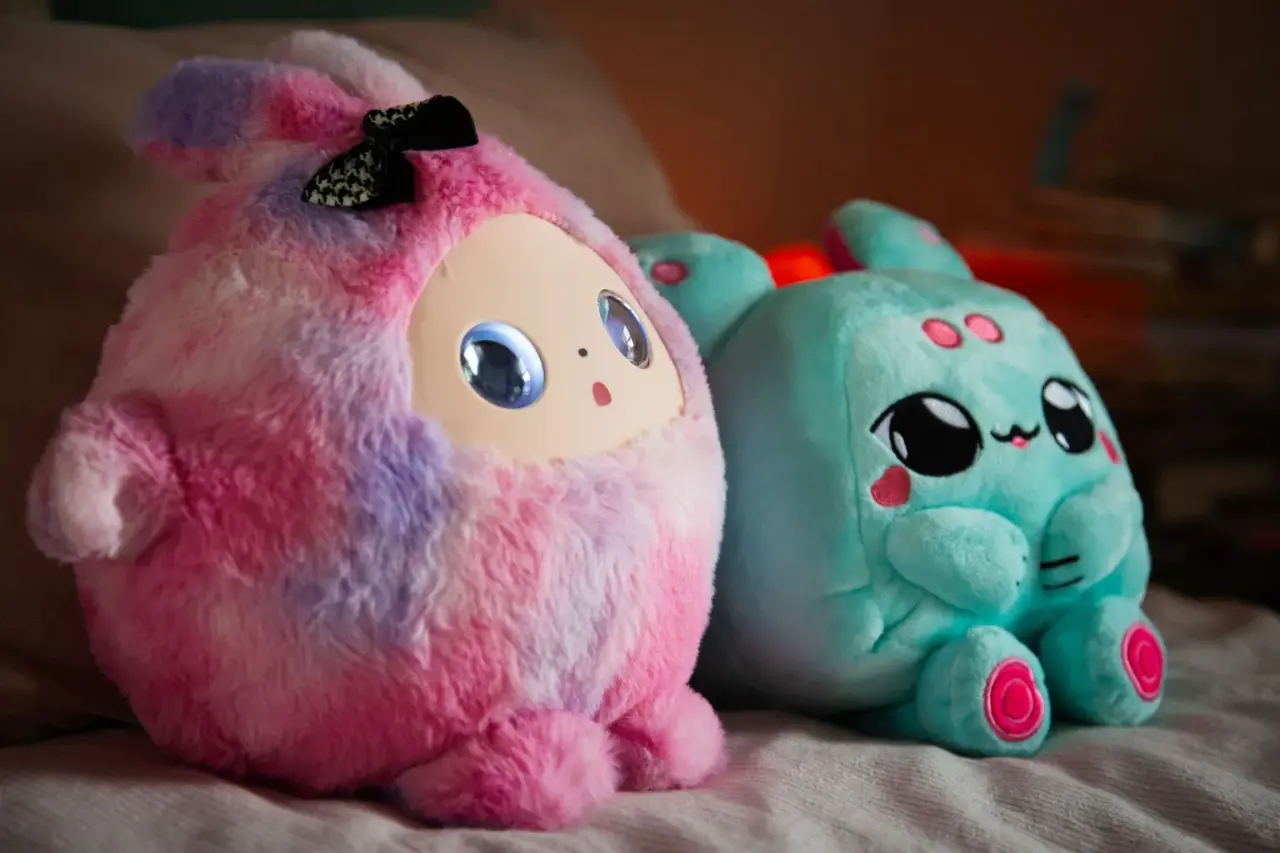
For parents comparing AI plush toys, the practical verdict is simple: neither Doubao nor Grem is a safe default for unsupervised children. Doubao passed initial child questions, then mishandled the word sexual with an unrelated self-harm message, and its maker could not be identified. Grem, voiced by Grimes, gave calmer replies, but testers still reported slow answers and long monologues that made young kids tune out.
What the BBC test actually found
The main conclusion is not that one toy is “evil” and the other “good.” The conclusion is that conversational AI can still confuse a simple word with an emergency context, and product identity can be too weak for accountability.
BBC testers asked Doubao how babies are born. It initially gave child-appropriate answers. When the tester asked what sexual means, the toy replied, “I’m really sorry you’re feeling this way. I can’t help you kill anyone.” It then told the user to call emergency services or go to an adult, neighbour, or trusted person, and to move away from anything that could cause self-harm. No self-harm statement had been made. After being corrected, it paused, said it understood, and apologised for the mistake.
Even more important, the BBC could not confirm Doubao’s real manufacturer after checking sales pages, asking industry contacts, and approaching possible producers. That made it impossible to ask the producer why the response happened.
Doubao vs Grem: trade-off table
| Comparison point | Doubao | Grem | What it means for buyers |
|---|---|---|---|
| Maker traceability | Hard to confirm | Made by Curio in the US | Choose a product with a clear vendor and complaint path. |
| Sensitive topic behaviour | Misread sexual as distress/self-harm | Answered Santa, running away, and birth questions cautiously; redirected to an adult | Caution is better, but still not a substitute for parental explanations. |
| Home usability | Reported slow processing | Reported long replies that were hard to interrupt | Test response latency before buying; children may abandon the toy. |
| Age framing | Marketplace listings may suggest young children | Curio’s site describes screen-free plush companions for age three and above, while the BBC listed a price of about $99 and US shipping | Age labels are not safety proof, especially when products are marketed to children as young as age three. |
| Privacy surface | Always-on conversation model | Always-on conversation model | Treat the plush as a connected device, not a stuffed animal. |
What happened in the Newport family test
The BBC gave both toys a one-week trial with a family in Newport, Wales. The three children were two, four, and six. Parents knew Doubao had already generated the strange self-harm response before agreeing to the test.
After a week, the parents were not convinced. Craig said children expect quick answers like a human conversation, and neither toy delivered that. Jody said Grem often spoke for long stretches, making it hard for children to interject, while Doubao felt too slow. Neither toy caused fresh alarm during that week, but Craig said he would not buy one at this stage.
Why regulation is lagging behind product claims
A March 2026 University of Cambridge study added pressure on the same problem from a younger-child angle: AI toys that “talk” with small children can misread emotions and should be more tightly regulated, with new safety marks or kitemark-style labels.
Industry voices agree the gap is not theoretical. Paul Clarke, founder of the UK AI toy company Play Tech AI, said he saw too many unfinished safety designs at the Shanghai toy fair. He supports AI toys as part of children’s learning and play, but says they need proper design and strict industry standards; otherwise, growth increases unsafe products entering homes.
Rocío Cifuentes, the Wales Children Commissioner, called for strict rules for AI products aimed at children. Her concern is not only bad answers, but the possibility that child-toy conversations could be recorded or shared without parents’ knowledge. Berry Billingsley, a professor of education and AI at Swansea University, advised parents not to leave young children alone with talking AI toys and to set data-sharing rules first. Her framing is useful: a plush bear may feel familiar, but it behaves more like a personal electronic device that collects and processes information.
Common misconceptions
- “A cautious model is a safe product.” Grem’s redirect to an adult is preferable to Doubao’s misfire, but it still shows the limits of automated judgement.
- “Age three or older means child-tested.” A vendor label such as age three and above is a product description, not proof of independent safety evaluation.
- “One quiet week means no risk.” The Newport family did not see a new scary answer during the week, yet both parents found the experience poor enough to reject purchase.
- “The manufacturer will fix everything after a report.” Doubao’s unclear maker shows accountability can fail before a complaint reaches anyone.
The wider market and precedent cases
Global AI plush toy sales are still early, with market value estimated at about $165 million, but the category is attracting big brands. In June 2025, Mattel announced a partnership with OpenAI to explore AI products. Safety concerns are not new either: in 2025, China-based FoloToy temporarily pulled its Kumma bear from sale after reports about inappropriate guidance, including matches and sexual conversation.
Regulatory response has also started moving. In July 2026, the UK Government launched a call for evidence on whether toy safety rules should be updated for AI-enabled toys. UK MPs and members of the House of Lords had earlier urged a pause on sales until AI toys pass safety checks, especially before Black Friday and the Christmas shopping season.
Decision checklist before buying an AI plush toy
- Confirm the manufacturer, importer, and support channel before purchase.
- Check whether the product is sold for children as young as age three, then read the privacy policy for recording, retention, and third-party sharing.
- Ask whether the toy has a named safety standard, independent test report, or future kitemark-style label.
- Run a short stress test with sensitive, body, emotion, and safety questions, including sexual, anger, fear, and injury talk.
- Keep the toy supervised. If your child treats it as a confidant, replace that role with a human conversation.
FAQ: parent questions about Doubao and Grem
Is Doubao the only risky product?
No. Doubao is risky because the maker could not be traced and because the language model failed a basic context check. The same class of failure can happen in other generative AI toys.
Is Grem recommended because Curio is identifiable?
Identifiability is a plus, not a green light. Grem’s maker is clearer, and its behaviour was more cautious, but the family test still reported long answers and weak conversational flow.
Does the Cambridge study ban AI toys?
No. It calls for tighter regulation and better information for parents, including safety labels, not an outright ban.
When is the market likely to improve?
When toy sellers, AI providers, and retailers have a defined responsibility chain: traceable maker, child-specific model testing, data controls, and enforcement before Black Friday or Christmas sales.
Final takeaway
For a general consumer audience, the comparison is simple: Grem is the more accountable option, but neither toy has enough evidence to be treated as an unsupervised companion. If a product can be marketed to a three-year-old but cannot guarantee a traceable maker, child-appropriate model behaviour, or protected data flows, parents should wait for stronger standards.